
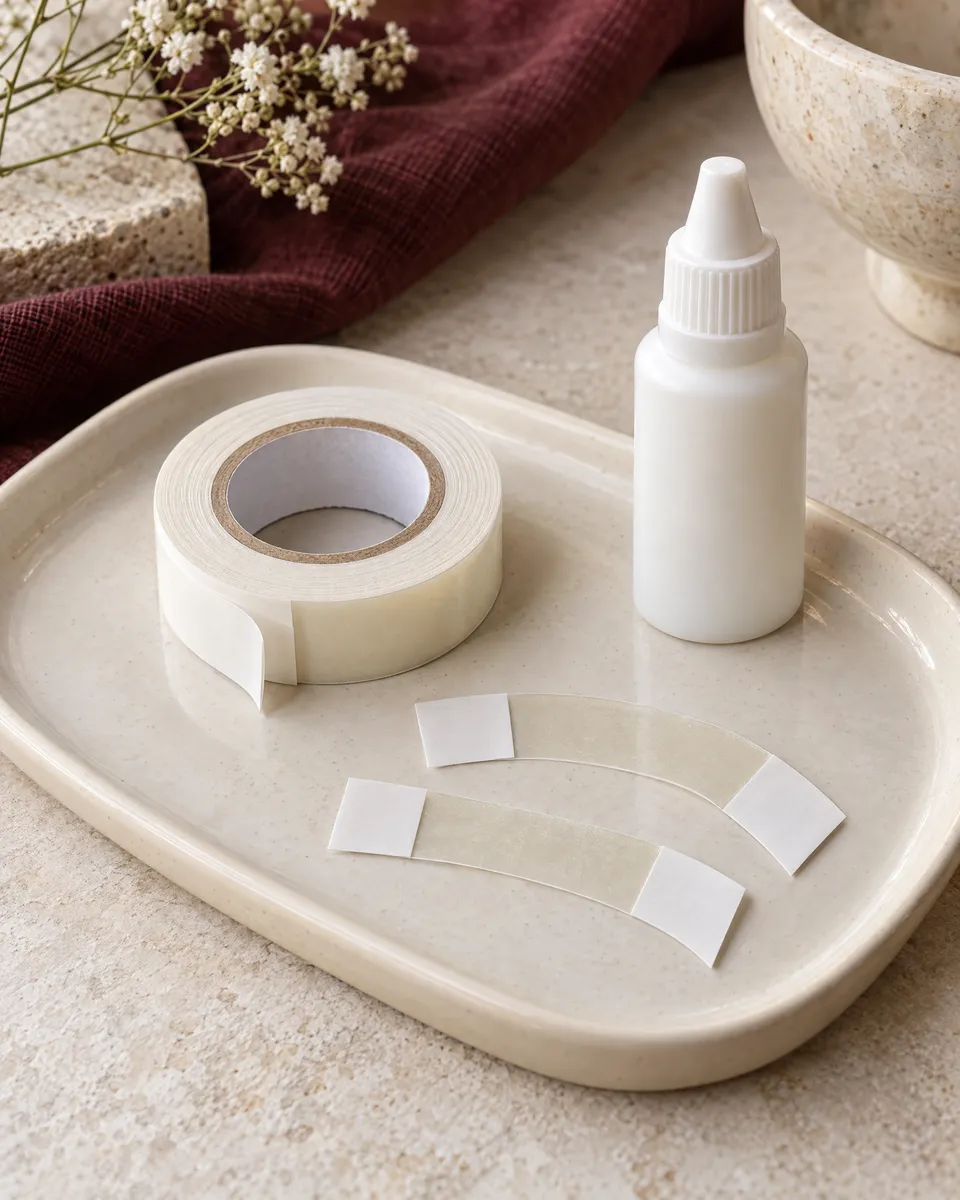

Choosing a wig adhesive remover for the intended task
A useful comparison starts with the surface that needs attention, then narrows to the adhesive and product directions. Treat these as separate checks rather than choosing by the strongest-sounding name. That keeps your search for a lace wig adhesive remover focused on what you actually need to release or clean.
Check whether a wig adhesive remover is for lace, skin residue or a base
First identify where the adhesive is: on lace that needs to be released, as residue on skin, or on the wig base after removal. A lace release remover is described by a release task; a base cleaner is for cleaning a base; a skin-residue remover is for residue on skin. These descriptions are useful starting points, not guarantees that a single product covers all three. Check the stated intended use and the surfaces listed on the exact product label.
Then consider what was used to secure the wig. Tape and liquid adhesive may call for different removal approaches, so a wig tape remover should not be selected merely because the attachment involved something sticky. Look for language on the product that matches the actual adhesive and the removal task. If the label is unclear about your combination of tape, adhesive, lace or base material, pause and ask the supplier about that specific item rather than testing a guess on the wig.
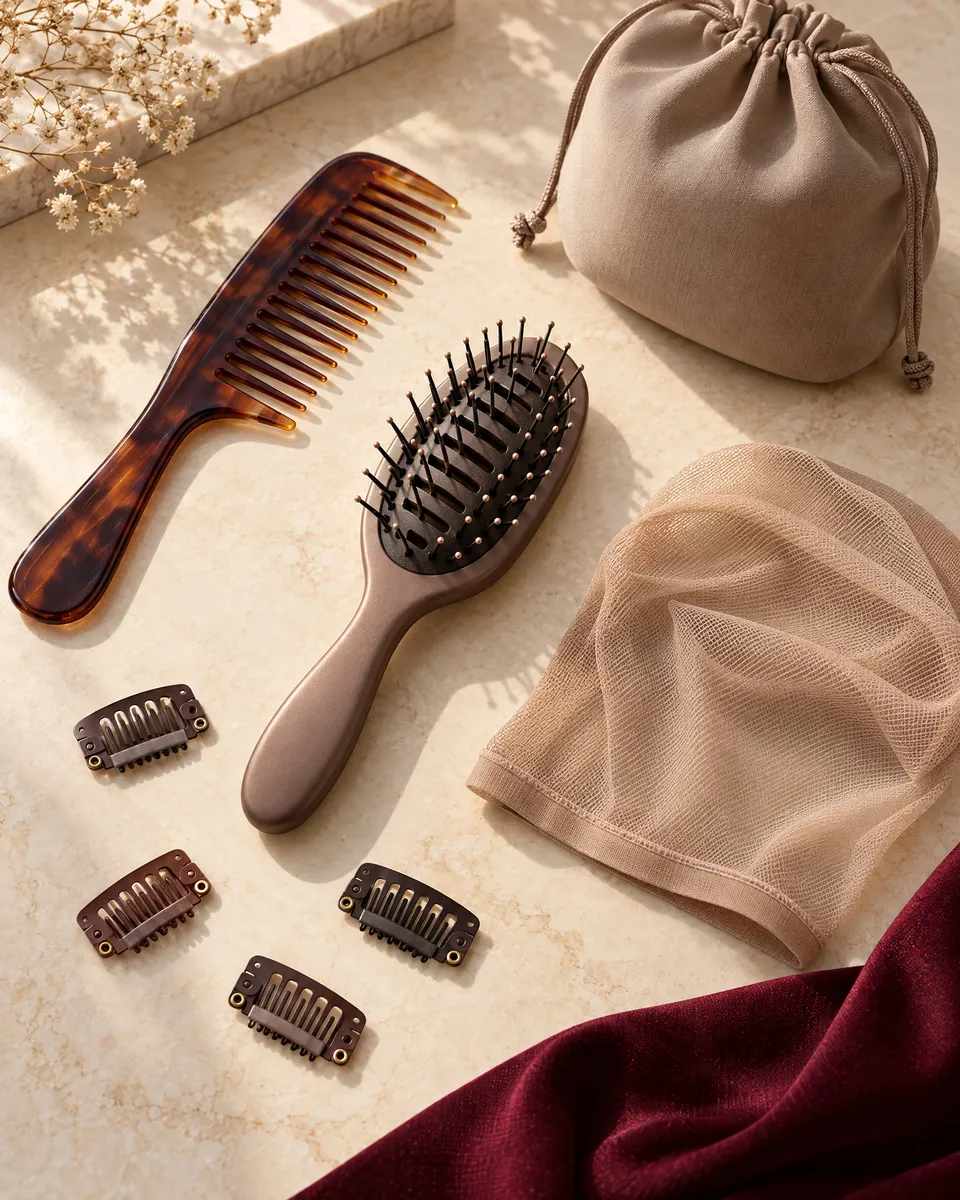
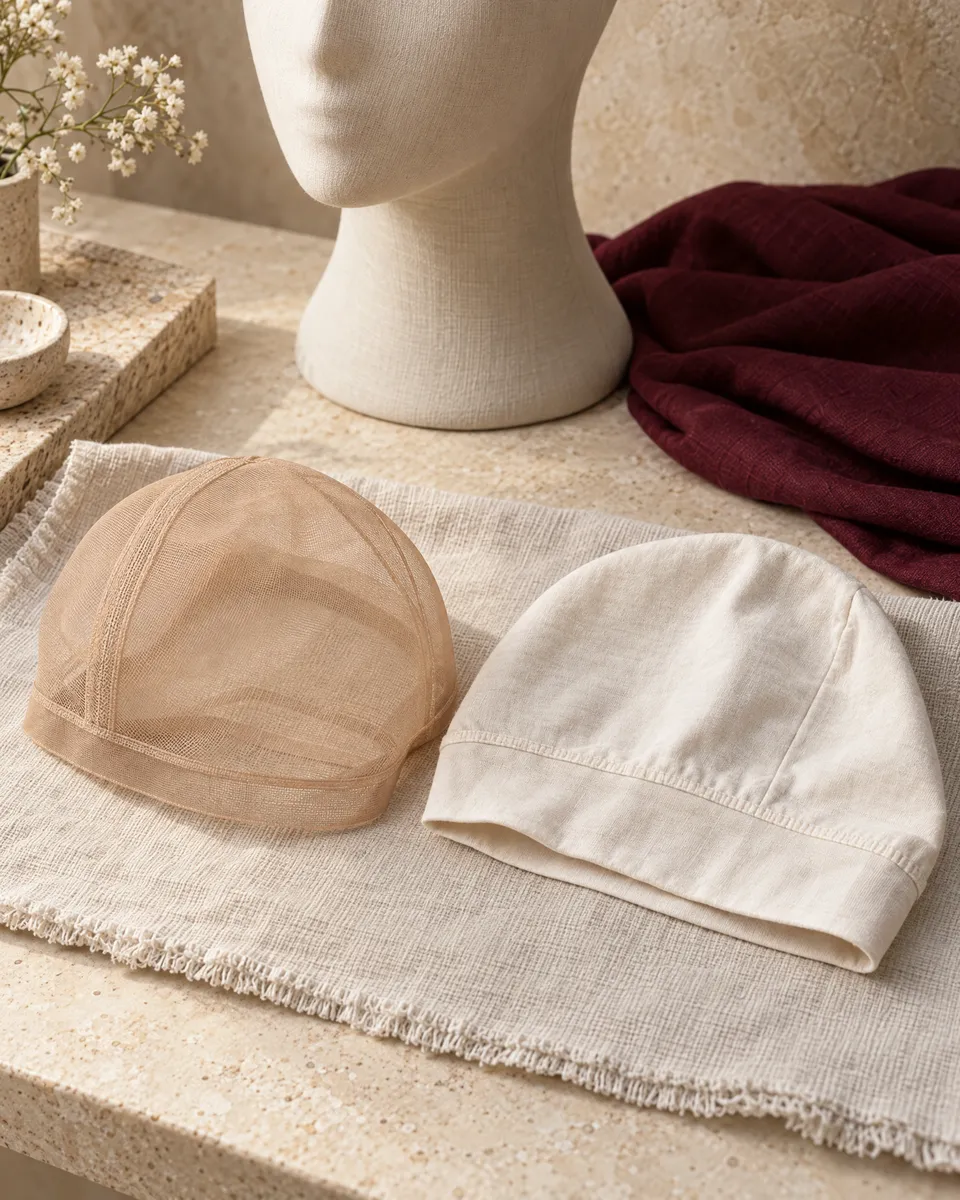
The practical comparison is between task, surface and adhesive. For example, someone trying to separate lace from adhesive should look for directions that expressly cover release from lace; someone cleaning a base should find wording for base cleaning. If the aim is simply to remove residue from skin, a product whose stated purpose is cleaning a wig base is not an automatic substitute. Keep the wig's other accessories in view too: wig caps and liners and a wig grip band are separate wearing options, not evidence that a particular solvent suits the skin or cap beneath them.

Wig adhesive remover, cleaner and lace release: key distinctions
Similar words can describe different stages of removal and care. Separate the product's job from the attachment method and from the later cleaning of the wig; the distinction is more useful than assuming every item sold as a wig glue remover works in the same way.
Why wig adhesive remover and lace release are not automatically interchangeable
A remover may be intended to loosen a bond, help lift a lace edge, or address adhesive residue. A cleaner may instead be intended for a wig base or another surface. A lace release remover suggests a particular release task, but that phrase alone does not establish that it can also be used on skin, every lace construction, or every wig base. Equally, the general phrase wig adhesive solvent does not specify its compatible materials. Product directions, rather than shorthand names, are the deciding detail.
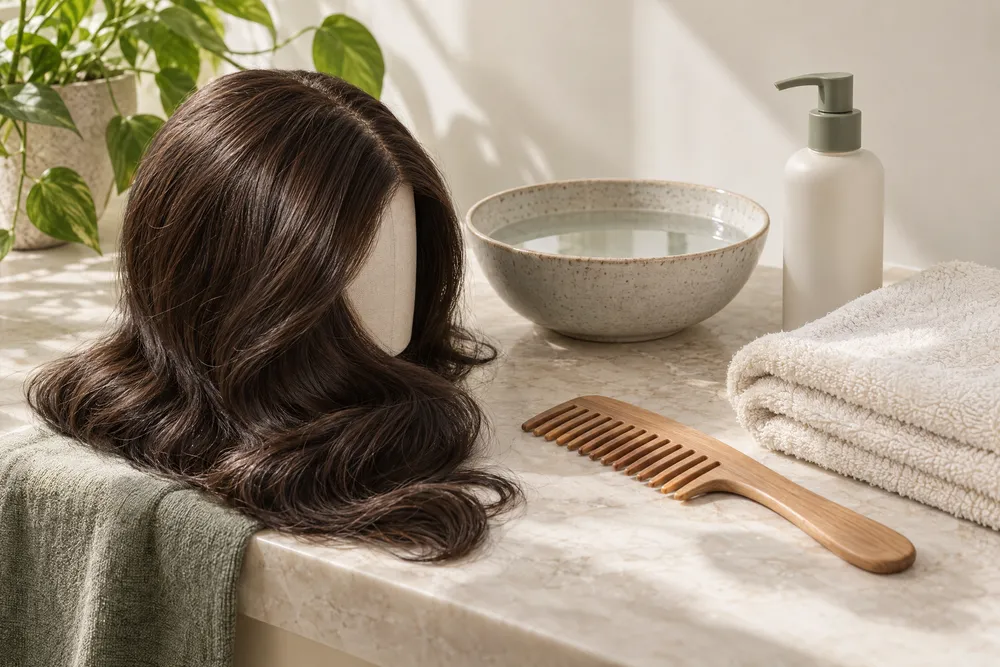
The attachment has to be released, residue dealt with on the surface where it remains, and the wig cared for afterwards. One product may address only one step; a remover is not automatically shampoo or detangler, nor does a wig-care product necessarily dissolve adhesive. For separate aftercare, see the wig shampoo, wig conditioner and wig detangler spray guides. They do not replace adhesive-removal directions.
For broader wig care, Cancer Research UK advises following the wearing and care instructions supplied by a wig supplier. Apply the same item-specific approach here: consult the remover's own label for its stated use.

Questions to ask before choosing a wig adhesive remover
A short, specific enquiry is more likely to lead to a useful comparison than asking for a universal remover. Have the adhesive type and the surface in mind, then check the label for the intended use and directions before deciding.
Read the product label before using a wig adhesive remover
Check 3 things on the product label: the intended task, the named surfaces or materials, and the directions and cautions. Confirm whether it describes lace release, skin-residue removal or base cleaning, and whether your surface and use are covered. If not, do not fill the gap with assumptions about the words glue remover, tape remover or solvent.
If contacting a retailer, ask a concrete question: ‘Is this item intended to release lace from the adhesive I use, or clean residue from a wig base?’ OWNSTRAND Wigs can provide product details, a quotation and supply information for a specific option; ask about that item rather than assuming it is available.
For a wider accessory comparison, see wig accessories Hong Kong. A grip band or liner is a different wearing option, not a substitute remover. If skin irritation is a concern, read the wig adhesive skin irritation guide for general information; it does not diagnose or promise to treat a reaction.
| Removal task | What to look for | Do not assume | Useful question |
|---|---|---|---|
| Release lace from adhesive | Directions that expressly describe lace release and name the relevant materials | That every lace release remover also cleans a wig base or removes residue from skin | Does the label cover the lace and adhesive I am using? |
| Remove residue from skin | A stated skin-residue use, with directions and cautions for that use | That a base cleaner or general wig adhesive solvent is intended for skin | Is this item specifically intended for residue on skin? |
| Clean adhesive residue from a wig base | Base-cleaning directions and the materials the product names | That a product suitable for one base or adhesive suits every construction | Which base materials and adhesive types does the label specify? |
| Choose between tape and liquid adhesive removal | The named adhesive type, intended task and complete product directions | That the term wig tape remover or wig glue remover alone proves suitability | What exact removal job is this product designed for? |
Browse wig accessories
Tell us the style you have in mind. We can discuss the options, quotation and arrangements before you decide.
wig accessories Hong KongBefore you choose
Are wig adhesive remover and lace release the same thing?
Not necessarily. Wig adhesive remover is a broad description, while lace release points to a lace-release task. A product used to release lace may not be intended to clean adhesive from a base or remove residue from skin. Check the individual label for its intended purpose, named materials and directions before choosing.
Can I use wig glue remover on lace, skin and the wig base?
Do not assume one product is suitable for every surface. Use it only for the materials and purpose stated on its label, and follow its directions and cautions. If your intended surface or adhesive is not clearly covered, ask the supplier about that exact product before using it.
How do I choose between wig tape remover and wig adhesive solvent?
Start with the attachment and the job: releasing lace, dealing with residue on skin or cleaning a base. Then compare the product's stated intended use, named materials and directions. The labels wig tape remover and wig adhesive solvent alone do not confirm suitability for a particular lace, base or skin.
Can I confirm whether a particular remover is available from OWNSTRAND Wigs?
Yes. Contact OWNSTRAND Wigs on WhatsApp to ask about product details, a quotation and supply for the item you have in mind. Availability should be confirmed for that particular choice; an enquiry does not itself confirm stock or complete an order.
Further reading
- Cancer Research UK — Wigs, hats and scarvesSupports the specific statement that wig suppliers should provide wearing and care instructions and that customers should follow them; the article applies this narrowly to distinguish general wig-care instructions from a remover's own product label. It is not an endorsement or product-suitability claim.
Still weighing up your options?
Follow a related guide to make your next decision with clearer information.
Explore wig caps and liners for wearing under a wig, including how a wig cap differs from a wig liner. Contact OWNSTRAND Wigs to ask about available options.
Compare wig tape strips and rolls for lace-front use, check base compatibility and product directions, and ask OWNSTRAND about available options.

Compare wig shampoo options for synthetic and human hair, and check which care products suit your wig before choosing. Contact OWNSTRAND to ask about availability.

Find guidance on wig conditioner for synthetic and human hair wigs, including leave-in options. Ask OWNSTRAND Wigs about product suitability before choosing.