
Choosing a wig for sensitive scalp during chemotherapy
A sensitive scalp can make small construction details more noticeable. Instead of choosing by a broad category such as human hair, synthetic hair or a named cap type, consider where the wig touches you and whether it stays in place without needing to be pulled tight. If treatment has not started, wig before chemotherapy covers preparation, but today's comfort still needs checking.
How a wig for sensitive scalp during chemotherapy may sit against the head
Start with the areas that have prolonged contact: the front hairline, temples, behind the ears, nape and crown. Place the wig gently and notice whether its weight is distributed evenly or concentrated at one point. A cap can feel acceptable while standing and become bothersome when you look down, turn your head or wear glasses. If it shifts, avoid immediately tightening every adjuster; first check whether its size and shape are right. Excessive tension can turn a minor fit issue into repeated pressure.
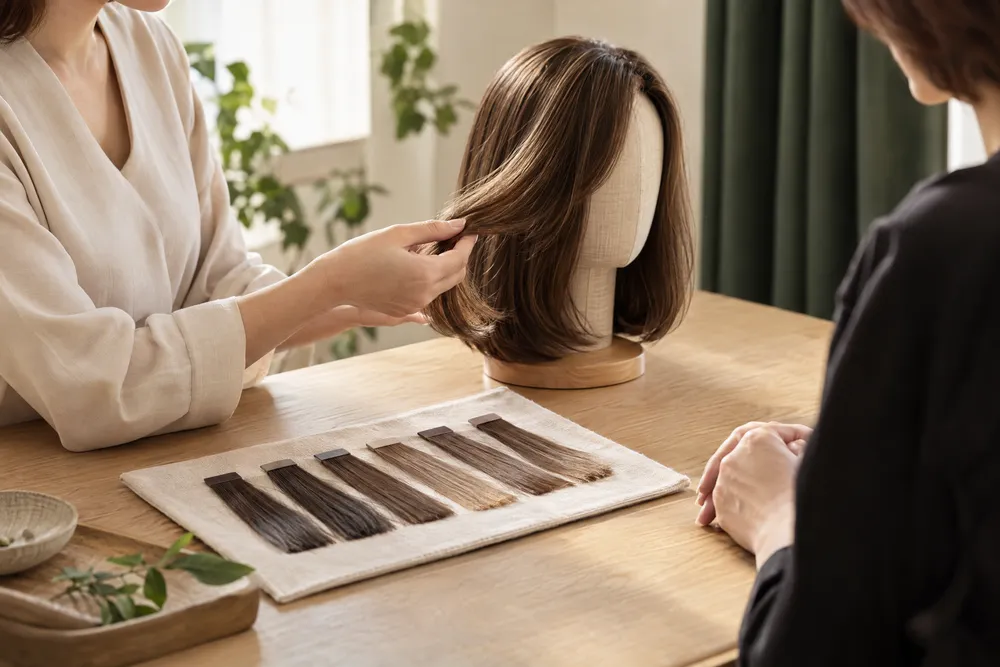
A comfortable fit is individual, and changes in hair coverage can alter how a familiar wig feels. During a fitting, describe the exact spot that catches, rubs or feels tight rather than simply saying the cap is uncomfortable. That helps distinguish a seam or edge issue from overall size or placement. Pause or remove the wig if it causes persistent discomfort. A fitting conversation can identify construction details, but it cannot determine whether a product is medically suitable for your scalp.
Look for seams, edges and pressure points
Run your fingers gently over the inside of the cap before wearing it. Look for raised joins, folded fabric, tags, fasteners or rough transitions near the perimeter. Check whether the front edge lies flat and whether ear tabs or adjusters land where they will not press. A seam that is unobtrusive on a display head may sit directly against a sensitive area on you, so the most useful check is a brief try-on followed by a second look at any place that feels irritated.
Move your head naturally during the fitting and notice if the cap slides, bunches or needs repeated adjustment. Ask what parts of the cap can be altered and what cannot; do not assume a particular wig construction has the same meaning across brands. The American Cancer Society notes that a wig liner may be considered for comfort and that chemotherapy can make the scalp sensitive; that is general selection guidance, not proof that any particular liner or wig prevents irritation. See the American Cancer Society's wig guidance for that specific point.

What to check in a cap, lining and fit
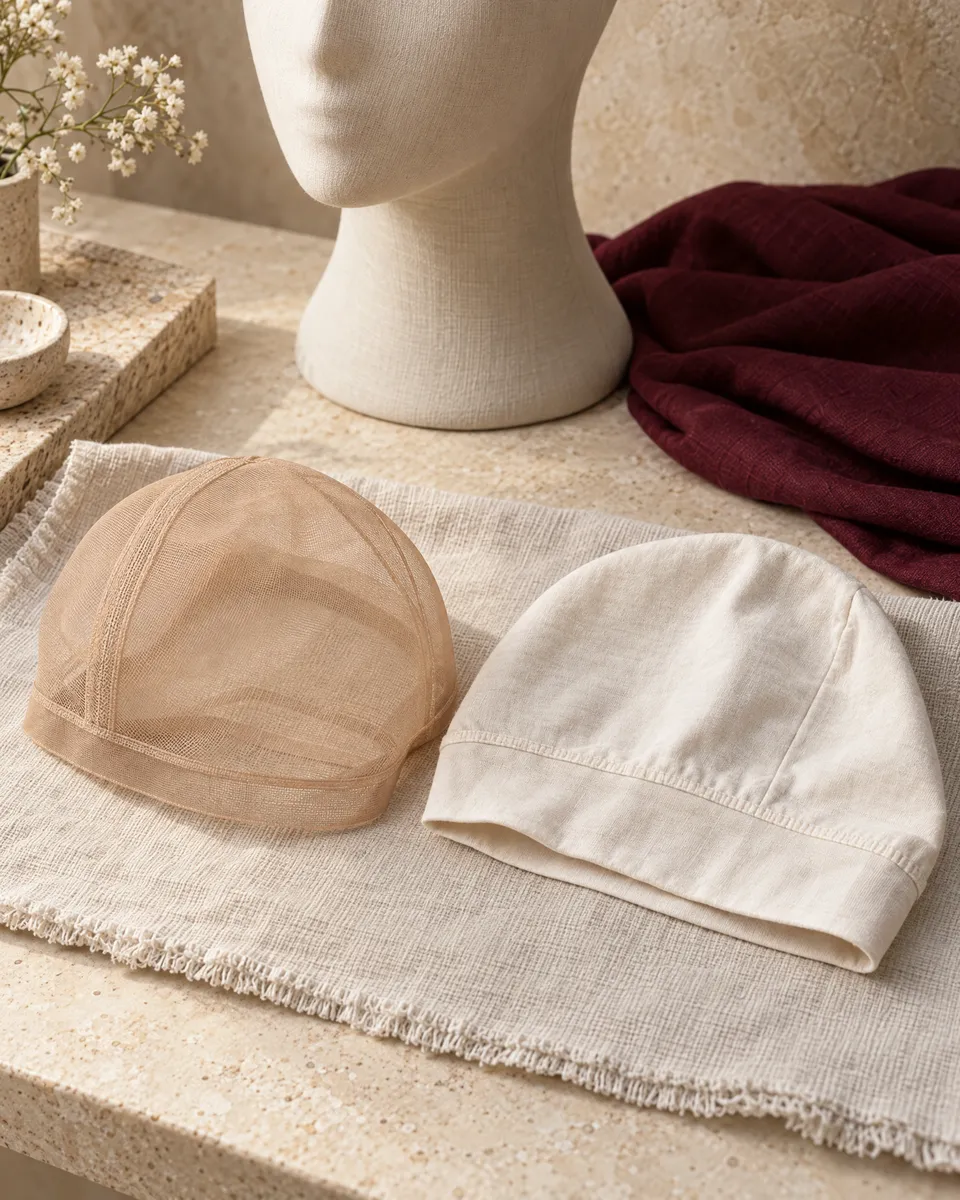
Material names are only one part of the experience. Ask whether the lining is smooth where it touches the scalp, whether the cap has seams or closures in likely pressure areas, and whether you can wear it without pulling it firmly into place. Compare actual options rather than assuming cotton or a named construction is comfortable for everyone. For alopecia wigs, coverage and personal preference matter; fit checks still apply.
Consider a soft liner or alternative headwear
A soft wig liner can add a layer between the cap and scalp, but it also adds another edge, seam and layer of warmth. If you try one, check that it lies flat and does not bunch beneath the wig. A cotton wig liner may appeal because of its familiar feel, yet cotton is not a guarantee against irritation, and individual responses differ. Compare the same wig with and without a liner for a short period, if comfortable, so you can tell whether the extra layer reduces friction or creates more pressure. Keep the liner clean in the way its maker recommends and stop using it if it causes discomfort.
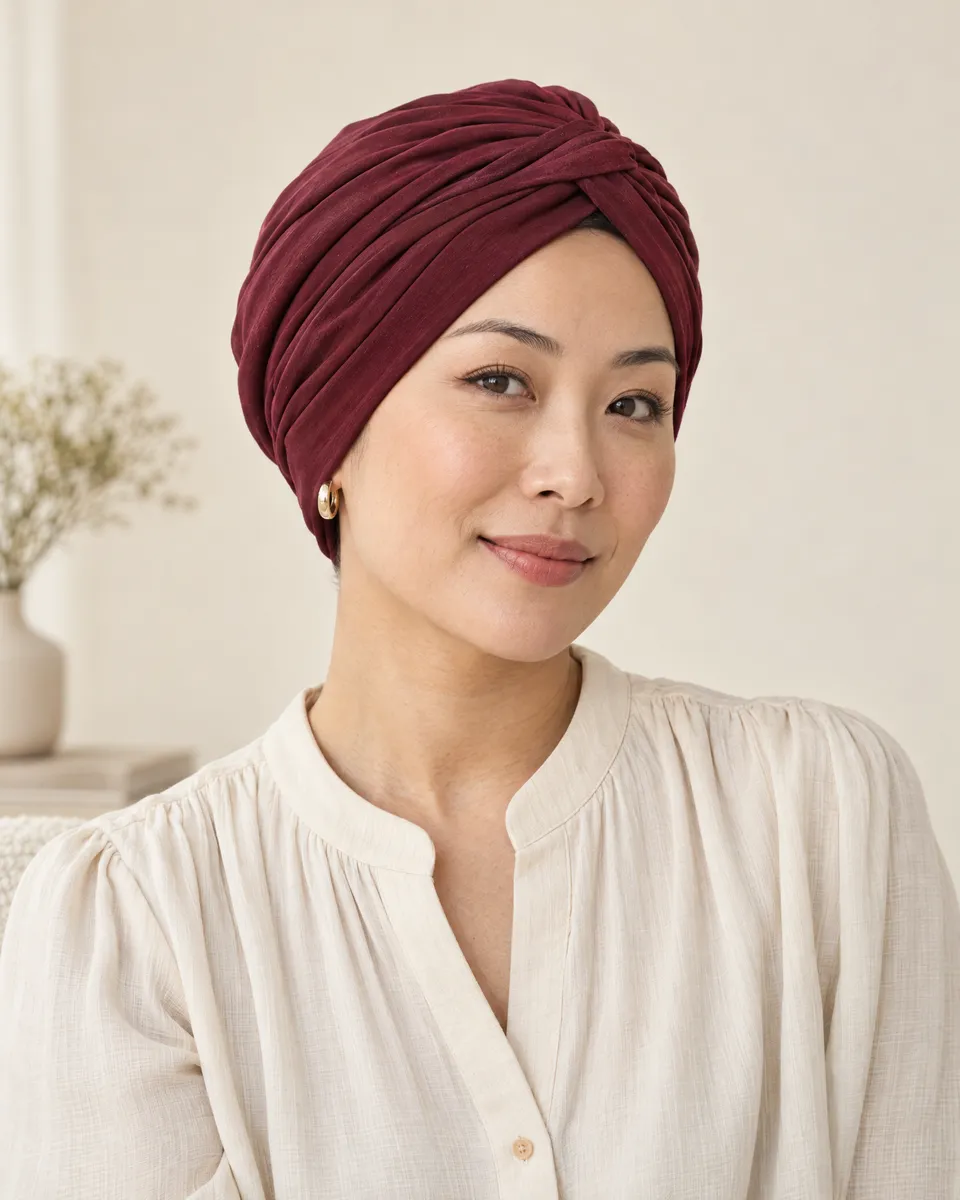
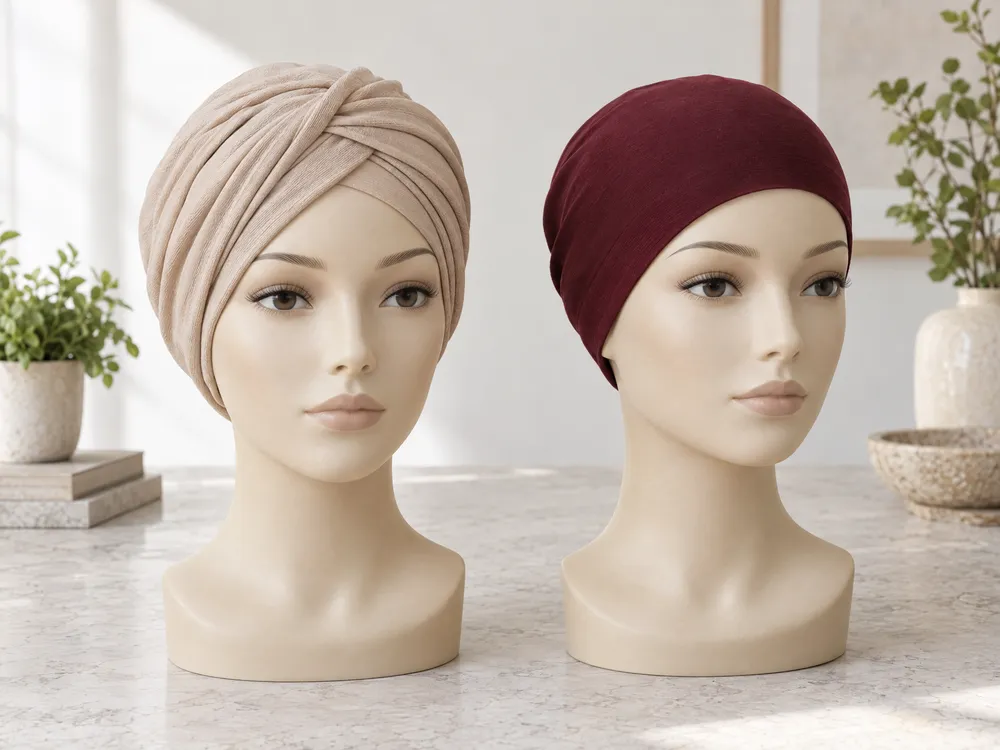
If a full cap feels too much, a scarf or other headwear may be a more comfortable choice for part or all of the day. headscarves for chemotherapy offers another route to covering the head without assuming that a wig is the only answer. Families looking for age-specific considerations can also read about wigs for children with cancer hair loss; children need an individual fit and comfort discussion, not an assumption that an adult cap will work for them.
When a soft liner or headwear may feel more comfortable
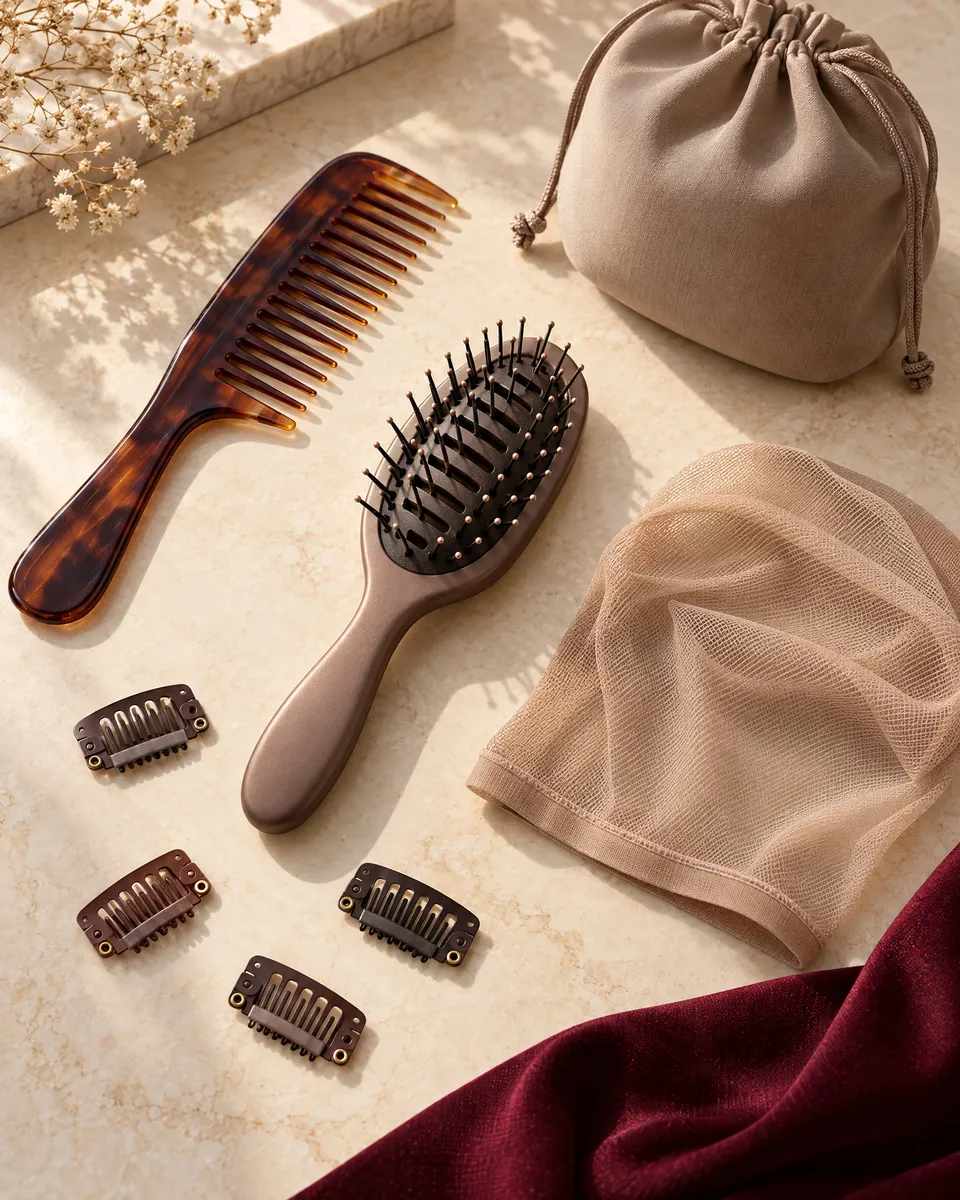
A liner may soften a noticeable edge, but may add warmth or tightness. A scarf avoids some cap contact, while a full wig provides broader coverage. Let the discomfort guide the comparison.



| Option | What it may change | What to check | A useful next step |
|---|---|---|---|
| Wig without a liner | Avoids an additional layer against the scalp | Cap edge, inner seams, adjusters and pressure at the crown or ears | Try a gentle fit and note the exact contact point |
| Wig with a soft or cotton liner | Adds a layer between the wig cap and scalp | Whether the liner rolls, bunches, traps warmth or adds pressure | Compare briefly with and without it; do not treat fibre as an irritation guarantee |
| Scarf or other headwear | Reduces or changes contact from a full wig cap | How it ties or rests, and whether its edge presses on a sensitive area | Compare with wig or scarf for hair loss for coverage preferences |
| Different cap fit or construction | May alter where the wig rests or how pressure is distributed | Actual seams and edges on your head; terminology alone does not confirm the feel | Ask what can be adjusted and arrange a careful fit check |
Ask about fit and options on WhatsApp
Tell us the style you have in mind. We can discuss the options, quotation and arrangements before you decide.
Ask about fit and options on WhatsAppBefore you choose
What should I look for in a wig if my scalp feels sensitive during chemotherapy?
Check how the cap edge, seams, lining and adjusters rest against your head. Check the hairline, temples, ears and crown for shifting or pressure. A gentle try-on reveals more than a material label; no cap type suits everyone.
Can a soft or cotton wig liner make a wig more comfortable?
It may change the feel by adding a layer, but the result depends on fit and personal preference. Check the liner's seams and edge, and see whether it bunches, adds pressure or feels warmer under the wig. Cotton is not a guarantee against irritation. For moisture and warmth considerations, see the sweat absorbing wig liner guide; it is not medical protection.
Is a wig or liner guaranteed to be hypoallergenic or medically safe?
No. This page does not promise that a wig or liner is hypoallergenic, medically safe or suitable for every person. A material description cannot establish medical safety or prevent sensitivity. Stop if discomfort persists or a skin problem appears, and ask your healthcare team.
What can I try if wearing a wig is uncomfortable?
Identify whether discomfort comes from a seam, tight fit, movement or liner warmth. Compare another fit, remove the liner or choose a scarf instead. A hair topper is designed for partial coverage rather than covering the whole head, so a hair topper for widening part is relevant only if that is the coverage you want. If irritation continues or you notice a skin change, stop wearing the item and consult your healthcare team.
Should I choose a synthetic or human-hair wig for a sensitive scalp?
Fibre type alone does not predict how the cap edge or lining will feel. Compare the actual construction and fit, and ask about care. For the separate styling and maintenance trade-offs, see synthetic wigs for cancer patients. Neither fibre category is a guarantee of comfort or medical suitability. For product selection, WhatsApp +852 5933 4697.
Further reading
- American Cancer Society — Choosing and Wearing a WigSupports the limited general statement that its wig guidance suggests considering a wig liner for comfort and notes that chemotherapy can make the scalp sensitive; it does not establish that a specific item prevents irritation or is medically suitable.
Still weighing up your options?
Follow a related guide to make your next decision with clearer information.

Explore alopecia wigs for cosmetic coverage, with practical notes on fit, materials and everyday choices. Contact OWNSTRAND to ask about options.
Wigs for children with cancer hair loss: explore fit, comfort and style questions, then confirm suitable options and arrangements with OWNSTRAND in Hong Kong.

Compare synthetic wigs for cancer patients with human hair options during treatment, plus care and selection points. Ask OWNSTRAND about styles and availability.
Compare a wig or scarf for hair loss with hats and other headwear. Review coverage, styling and everyday wear considerations, then ask OWNSTRAND about options.