

Wig Clips and Combs: What to Check Inside the Cap
Start with the inside of the cap rather than assuming that every wig includes clips. A quick, careful inspection can tell you whether the style already has attachment points and whether they appear to be part of its original construction.
Wig Clips and Combs: Look for Existing Features
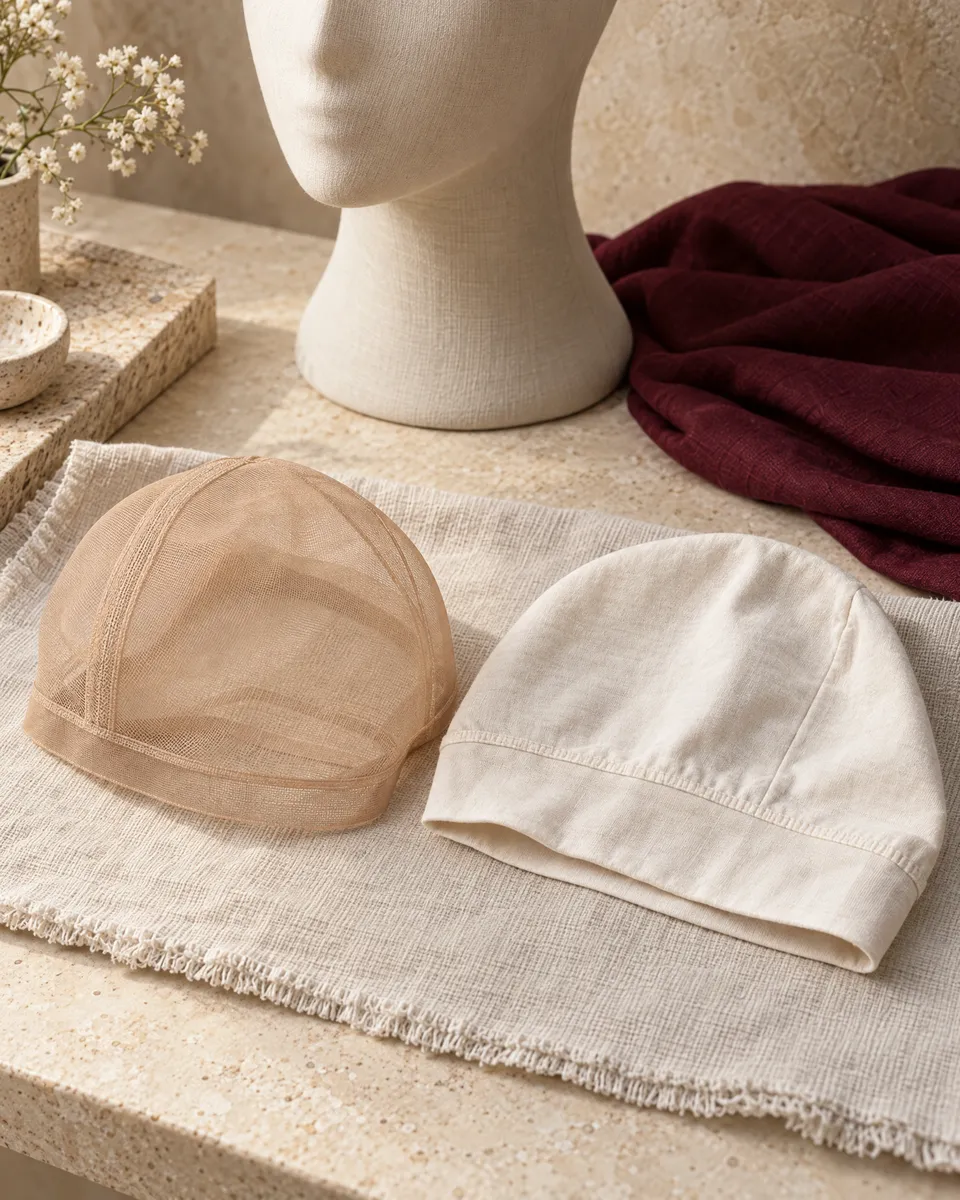
With the wig off, gently lift the lining to inspect it without tugging at the hair or seams. Small comb-shaped pieces or clips may be sewn at the sides, front or back; adjustable tabs or straps may sit near the nape. A comb has teeth intended to engage with hair, while a clip opens and closes around a section. Locations vary, so do not infer construction from an exterior image. If unsure, check the item information or ask about that specific wig.
Notice how any attachment is fixed to the cap. Check whether stitching looks intact and whether the piece lies flat when closed. Do not pull hard, bend it repeatedly or sew a new clip into an unfamiliar base. A cap may be designed for particular features, and an alteration could affect its lining or fit. A PU wig cap has its own construction; do not assume a clip can be added as it might be on another cap.
Check for adjustable wig straps too. Straps alter the cap’s tension; clips and combs attach to hair. Neither automatically replaces the other. A loose cap may need a fit adjustment, while a correctly sized cap may still sit poorly. If considering a liner, see how wig caps and liners sit under the chosen wig rather than stacking accessories without checking.
Make 3 observations: where attachments sit, whether they are present and intact, and whether the cap is positioned comfortably. These help you ask about the actual style. They do not prove an attachment suits every wearer or that a wig stays fixed through every activity.
How Wig Clips and Combs May Work with Your Own Hair
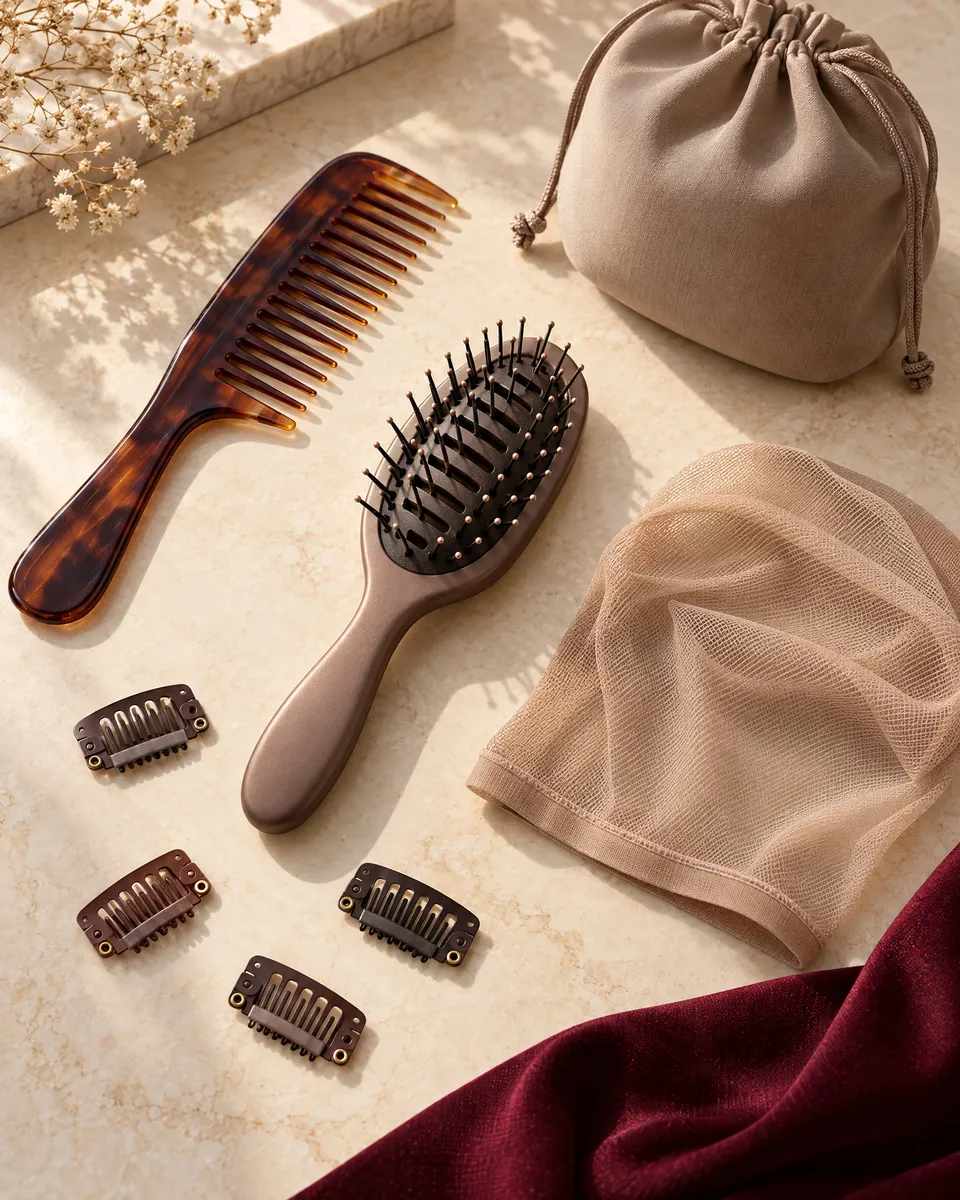
Clips and combs are intended to catch hair, so whether they can help depends on the hair available at the attachment points as well as on the cap. Consider both parts together before choosing this method.
Check Whether the Cap and Your Hair Are Compatible
Clips and combs need hair to grip, so suitability depends on hair at the attachment points as well as cap construction. With little or no hair there, a feature may have no suitable anchor. Longer or thicker hair may need arranging smoothly under the cap. The result depends on your hair and clip placement. Do not pull tightly to make an attachment catch; pause if it pinches, feels uncomfortable or sits unnaturally.
Settle your hair comfortably, position the cap, then fasten only features you can use without strain. Check whether it shifts during ordinary, gentle movement. This is not a test for sport, water or all-day performance. If it slips, first consider size and position; tightening a clip against a poor anchor may not solve the fit issue.
In Hong Kong’s warm, humid conditions, consider the whole wearing set-up—cap, liner, hair arrangement and wearing time—not just clips. The guide to a wig for hot humid weather covers broader cap and comfort questions. For water-related plans, read can you shower with a wig on and can you swim in a wig; clips alone do not establish suitability for water.
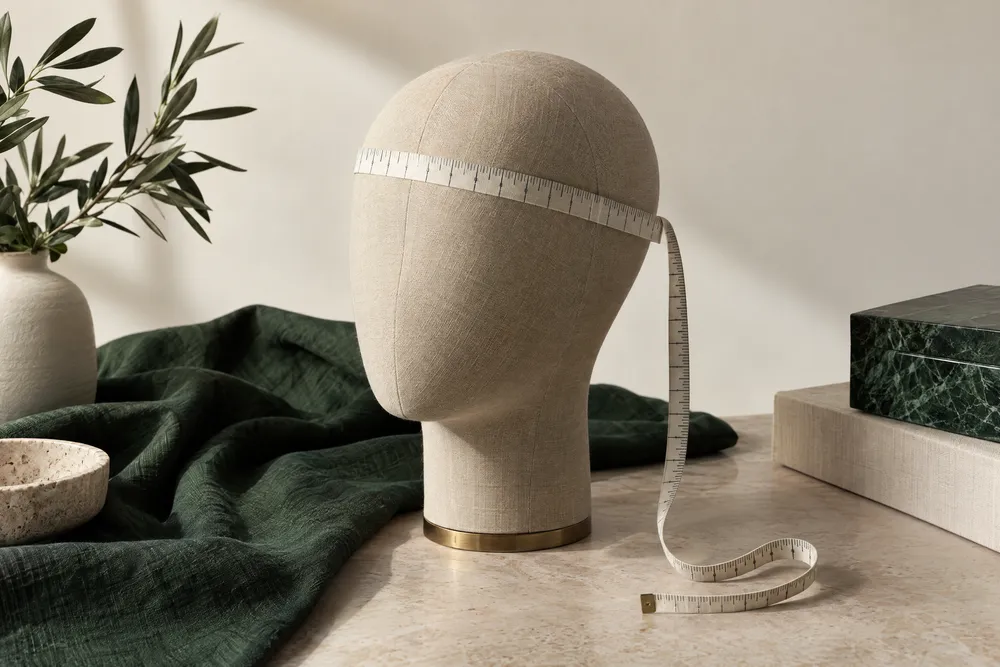
The American Cancer Society’s wig guidance says size charts may vary slightly between brands and advises checking the relevant brand’s chart. This supports checking the individual cap rather than assuming a universal fit. General guidance is not a specification for every style.

Compare Wig Clips and Combs with a Wig Grip
Clips, combs, straps and a wig grip work in different ways. A helpful comparison starts with the point of contact—your hair, the cap adjustment or a separate band—and then asks which option suits the wig you have.
Choose Between Clips, Combs, and a Wig Grip
Clips or combs are features inside the wig and depend on suitable hair. Adjustable straps are also inside the cap, but change its tension rather than hooking onto hair. A wig grip band is separate and worn beneath the wig. Compare the contact point, where the wig moves and what feels comfortable. Read about a wig grip band before comparing it with the cap’s existing features.
The comparison table below summarises the different contact points and the practical question to ask about each option.
This is a comparison, not a ranking. A wig grip may be worth considering when there is no suitable hair anchor, but it still needs to suit the cap and your preference. Hair at the clip position does not automatically make clips best; location, fit and feel matter. Avoid combining methods just because they are available. Check one arrangement at a time to identify what contributes to pressure or movement.
Describe the specific issue—for example, whether the back lifts, a side shifts or the whole cap feels loose. That can guide a discussion about size, straps, construction or a separate grip without guessing what will solve it. OWNSTRAND’s positioning is “Your hair. Your choice.” One fastening method is not right for everyone.

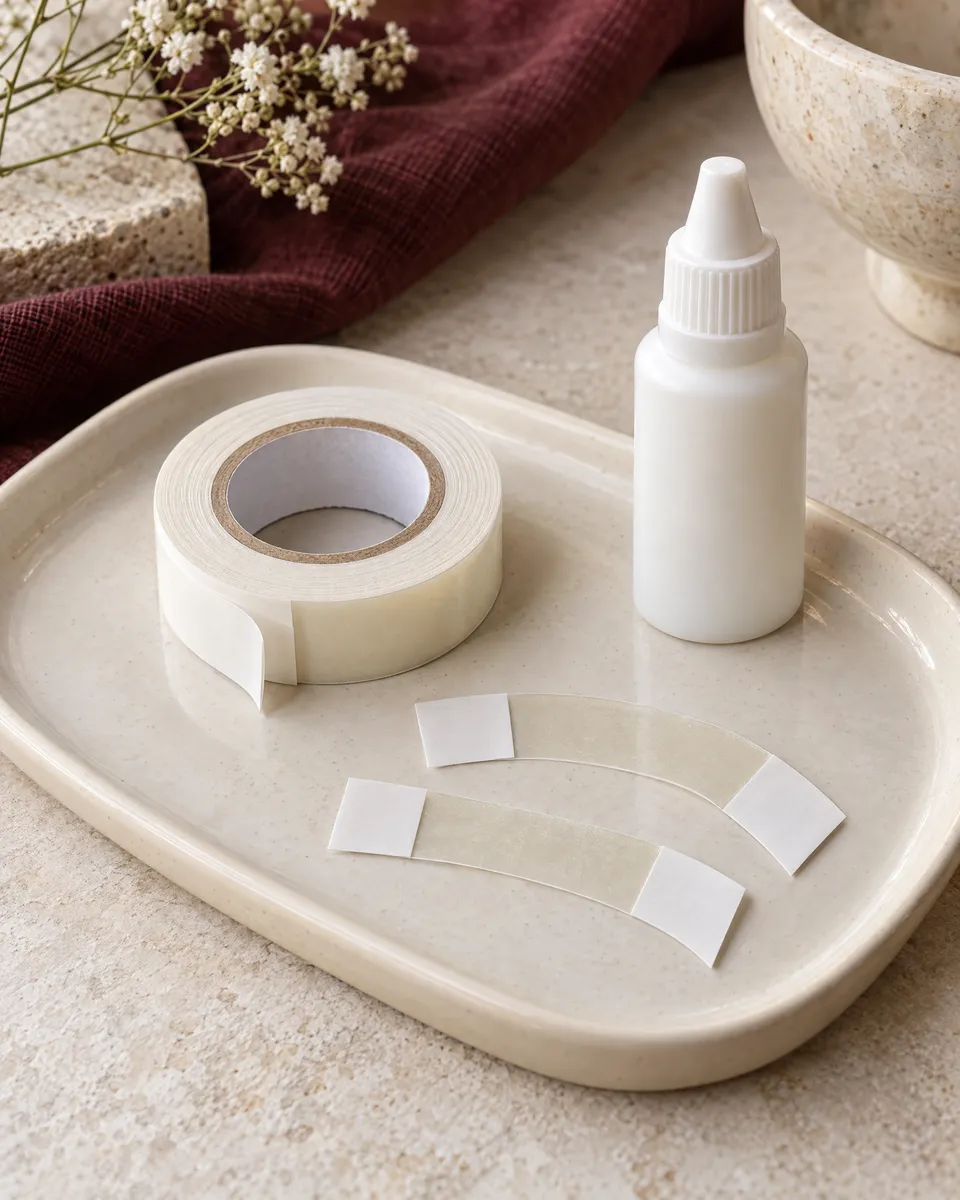
| What you are checking | How it works | Useful question | What not to assume |
|---|---|---|---|
| Wig clips or combs | Attach to suitable hair at points inside the cap | Is there hair where this style places its attachments? | That every wearer has a suitable anchor or that clips are fitted to every wig |
| Adjustable straps | Alter tension or circumference within the cap | Does the cap need a fit adjustment, and are straps present? | That adjusting a strap will attach the wig to hair |
| Wig grip band | A separate band sits beneath the wig | Would a separate under-cap support suit this cap and wearing preference? | That it is universally better, or that it makes every fit secure |
Ask about a wig style
Tell us the style you have in mind. We can discuss the options, quotation and arrangements before you decide.
Ask about a wig styleBefore you choose
Can wig clips and combs help secure a wig?
They may help if the cap has clips or combs and you have suitable hair where they sit. Check construction, placement and fit. They are not suitable for every wearer and do not guarantee a wig will stay fixed in every situation.
How can I tell if there are wig clips inside a wig cap?
Turn the cap inside out gently and look for comb-shaped attachments or clips, plus any adjustable tabs or straps. Do not tug at seams or assume another style has the same features. If unclear, check the specific item information or ask about that wig.
Are wig clips better than a wig grip?
Neither is universally better. Clips or combs attach to suitable hair; a wig grip is a separate band beneath the wig. Suitability depends on the cap, your hair, fit and comfort. Neither is a guaranteed fix.
Can every wig be secured with clips?
No. Not every cap has clips or combs, and they may not suit a wearer without appropriate hair at the attachment point. Check the specific cap before considering changes; do not sew clips into an unfamiliar construction.
Further reading
- American Cancer Society — Wigs for Hair LossThe page says wig size charts may vary slightly by brand and advises checking the specific brand’s size chart; cited in the fit section to support checking the individual cap rather than assuming a universal fit. This is general selection guidance, not an endorsement of OWNSTRAND or a product-specific specification.
Still weighing up your options?
Follow a related guide to make your next decision with clearer information.
Can you shower with a wig on? Follow the wig maker’s fibre-specific care instructions; remove it unless water exposure is allowed. Ask us if you need help.
Learn where a wig grip band sits beneath a wig, what to consider when choosing one, and how it compares with caps or liners. Ask OWNSTRAND about options.
Can you swim in a wig? Check its fibre, maker guidance and water conditions first. Ask OWNSTRAND about care for a specific wig before swimming.
Explore wig caps and liners for wearing under a wig, including how a wig cap differs from a wig liner. Contact OWNSTRAND Wigs to ask about available options.