


Synthetic Hair Topper: What Fibre Means
Synthetic describes the fibre material, not a complete product specification. Two toppers in the same broad category can still differ in feel, sheen, shape, density, base and care guidance. For a useful comparison, separate the fibre question from the way the topper is built and worn, then check each point against information for the exact item.
Synthetic Hair Topper: Check Care and Styling Guidance
A synthetic hair topper is made with man-made fibres. That description does not by itself establish whether the hair looks glossy or matte, how it moves, how it responds to brushing, or which cleaning routine is appropriate. Those characteristics depend on the specific fibre and construction. Before choosing, look for item-level directions on washing, drying, detangling, storage and styling. If guidance is missing or unclear, ask for it rather than applying a routine intended for another wig or fibre.
The American Cancer Society’s general guidance on wigs discusses the difference between synthetic and human-hair options and advises checking the manufacturer's instructions for care and styling. That is useful background for a customer comparing fibre types; it is not an endorsement of OWNSTRAND or a specification for any item offered here. For day-to-day planning, consider how much styling you normally do, whether you prefer a ready-shaped style, and what care steps you are comfortable following. Match those preferences to the directions for the actual product, rather than assuming all synthetic fibres need identical treatment.
Think about how the topper will blend with your own hair in the conditions in which you expect to wear it. A picture or broad fibre label cannot guarantee an exact colour or texture match. If shade or finish is important, ask what comparison information or sample viewing is available for the particular style. For questions about a wider part or reduced crown volume, the guide to a hair topper for widening part explains why the coverage area should be considered separately from fibre choice.
What Does “Heat-Friendly” Mean for a Synthetic Topper?
“Heat-friendly” should be treated as a limited, product-specific description, not permission to use any heated tool at any temperature. It does not mean that every synthetic topper tolerates heat, nor that a fibre can be curled, straightened or restyled without restriction. Check the item's own label and manufacturer directions for whether heat styling is permitted and any stated limits or method. If the instructions do not clearly allow heat, do not apply it; a guess based on another product can damage the fibre.
Also check whether the style is intended to retain a set shape or whether its care information describes any restyling options. Those are different practical expectations: a customer who wants a low-effort, consistent silhouette may prioritise the stated shape and care routine, while someone who wants to alter a style needs explicit permission and instructions for that exact fibre. When contacting a supplier, name the style or share its specification and ask what the phrase means in that case. Never infer heat tolerance from the word “synthetic” alone.
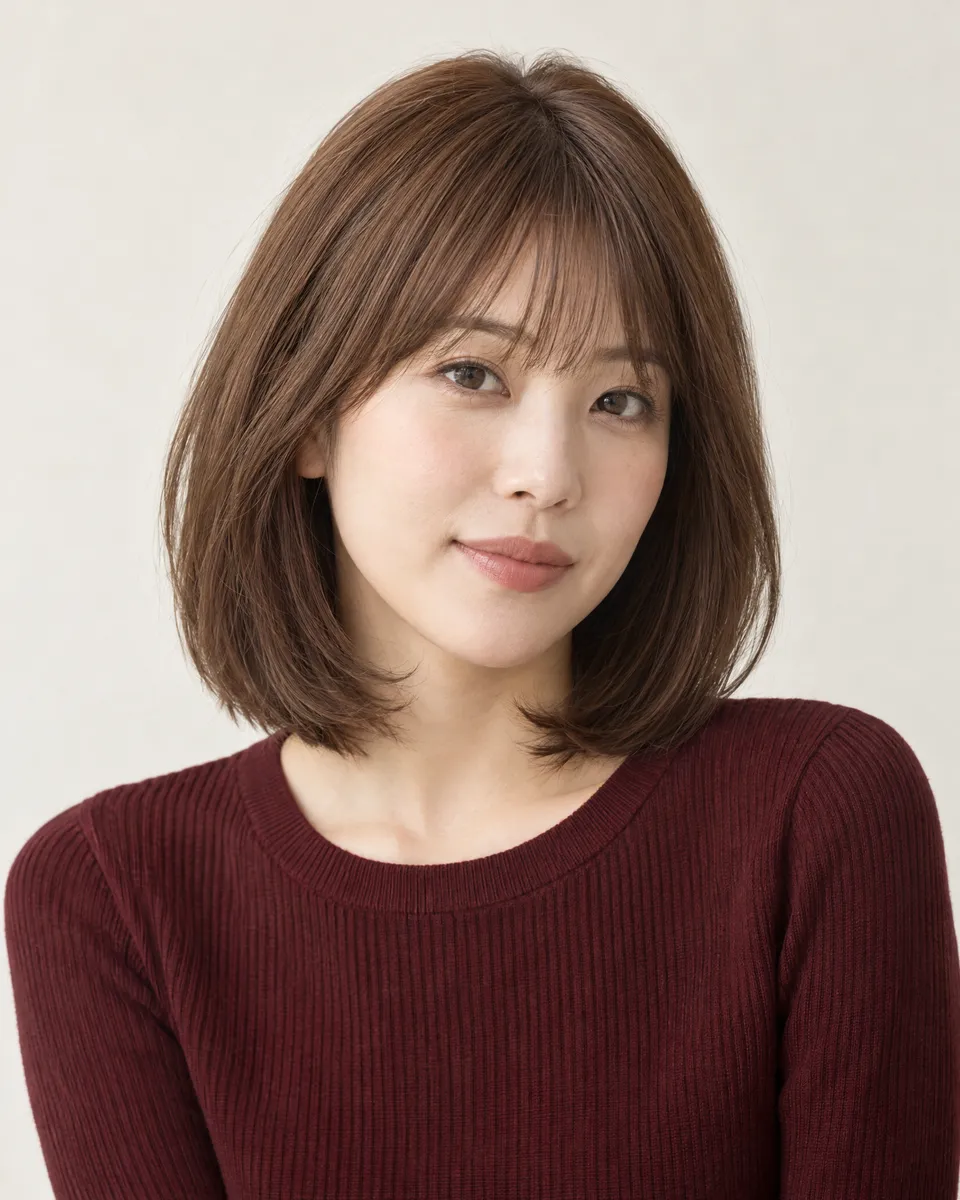
Compare Synthetic and Human-Hair Toppers
A fair synthetic vs human hair topper comparison considers more than a preference for one fibre. Compare the care and styling instructions, the stated coverage, the base construction and how the attachment is intended to work. These details can vary from one item to another, so neither a category name nor a general fibre comparison settles whether a particular topper matches your needs.
Compare Coverage, Base and Fibre Details
Start with the area you want covered and whether a partial topper is the right format at all. A topper is not automatically interchangeable with a full wig; the guide to hair topper vs wig can help frame that coverage decision. Next, compare the base dimensions and shape with the area to be covered. The phrase hair topper base size points to a practical check, but a category keyword does not tell you the measurements of an individual style. Ask for the specific dimensions and how they relate to the coverage you want.
Then review construction and attachment as separate points. A topper's fibre does not tell you whether it has clips or another attachment method; the clip-in hair topper category is relevant if you are specifically comparing clip attachment. Nor does “synthetic” identify a monofilament or silk top base. If those terms matter to your comparison, see the explanations of a monofilament hair topper and a silk top hair topper, then ask what construction is actually stated for the item under consideration.
A human hair topper is a useful counterpart when you want to compare fibre options directly. Human hair and synthetic fibre should not be assumed to share the same care or styling instructions, and the name alone does not establish a topper's base, colour, coverage or availability. A blend is another distinct category rather than a shortcut to either type: the human hair synthetic blend wigs page concerns blend terminology, but a wig category does not prove that a matching topper is available. For any comparison, ask for the specification and care information of each exact item.
Use the table as a question checklist, not as a promise that every item in a category has the same feature. A useful enquiry identifies the coverage you want, the fibre and base stated for the item, and the styling behaviour you expect. If one of those details has not been confirmed, keep it open rather than filling the gap with an assumption.
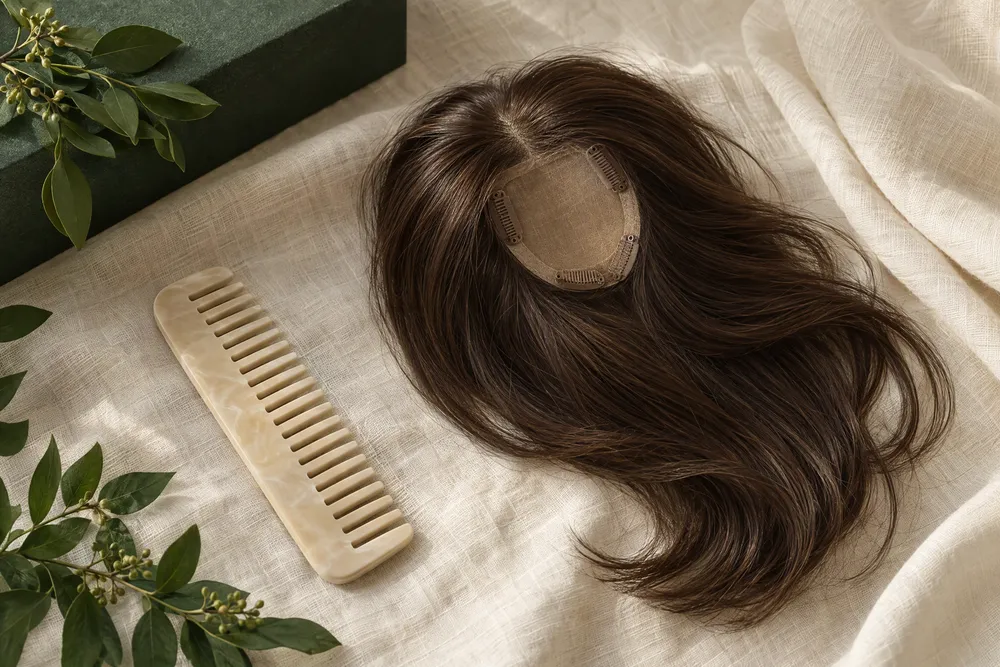
Questions to Check Before Choosing a Style
Before settling on a synthetic topper for women or another fibre option, make the comparison concrete. Bring the product name or description you are considering and work through 3 checks: where it should cover, how it attaches and what the manufacturer says about care. This keeps the discussion focused on the actual style instead of expectations attached to a broad category term.

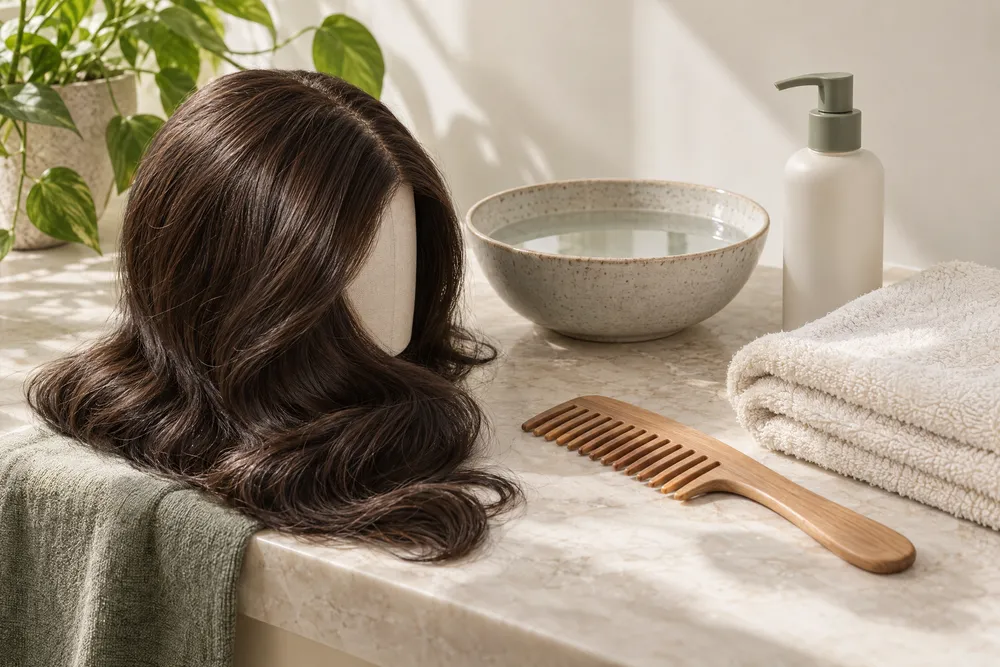

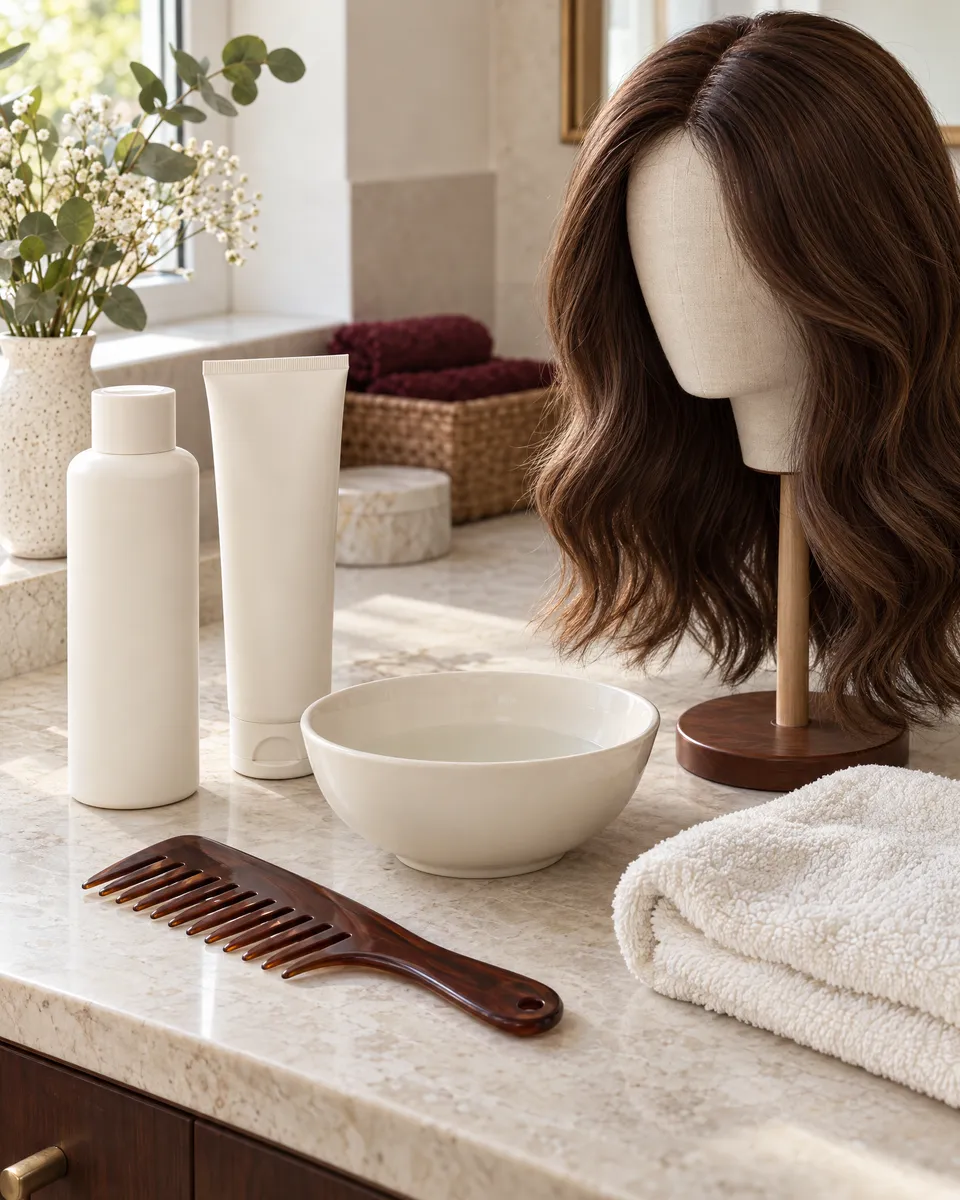
| What to compare | Question to ask about the exact item | Why it matters |
|---|---|---|
| Fibre | Is the fibre identified as synthetic, human hair or a blend? | The label is the starting point for understanding the item, not a complete account of its finish or behaviour. |
| Care and styling | What washing, drying, brushing and styling instructions apply? Is heat explicitly permitted? | Care steps and heat suitability must follow the instructions for that specific fibre and style. |
| Coverage and base | What area does the base cover, and what are its stated dimensions and construction? | Coverage and base details are distinct from fibre type and help you judge whether the format answers your styling goal. |
| Attachment | How is the topper intended to be secured, and is that method specified? | The word “topper” does not identify clips or any other attachment method. |
| Availability details | Can the supplier confirm this exact style and its current supply details? | A category page or general product description does not establish current stock or availability. |
Ask about styles and availability
Tell us the style you have in mind. We can discuss the options, quotation and arrangements before you decide.
Ask about styles and availabilityBefore you choose
What is a synthetic hair topper?
It is a hair topper made with synthetic, man-made fibres. The exact appearance, construction, coverage and care instructions depend on the individual item. Check its details rather than relying on the category name alone.
Does “synthetic topper for women” specify the base or attachment?
No. The phrase identifies a general fibre and category, not a particular base, coverage area, attachment method or product specification. Check the details for the specific style, including its dimensions and how it is secured.
Can I use heat on every heat-friendly synthetic topper?
No. Do not assume that all synthetic fibres tolerate heat, or that “heat-friendly” allows every tool or setting. Follow the instructions for the exact product, and do not apply heat when its guidance does not explicitly permit it.
What should I compare in a synthetic vs human hair topper?
Compare the fibre, care requirements, styling guidance, construction and coverage stated for each specific item. These characteristics vary, so a general category label cannot confirm a product’s suitability or availability.
Further reading
- American Cancer Society — Wigs for Hair LossGeneral background for comparing synthetic and human-hair wig options and checking manufacturer care and styling guidance; cited in the article only to support item-specific care checks, not as an endorsement or product-specific claim.
Still weighing up your options?
Follow a related guide to make your next decision with clearer information.
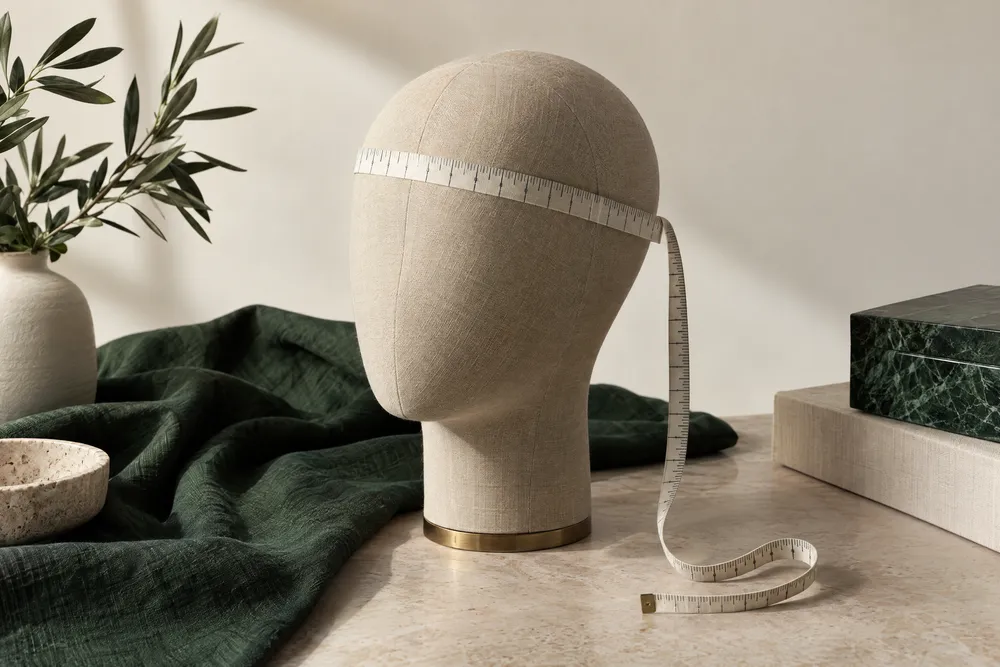
Learn how hair topper base size relates to the area you want to cover, the base design and brand sizing. Contact OWNSTRAND to discuss your options.
Explore human hair topper options, what to check about hair type and base details, and questions to ask before choosing. Contact OWNSTRAND to enquire about a style.
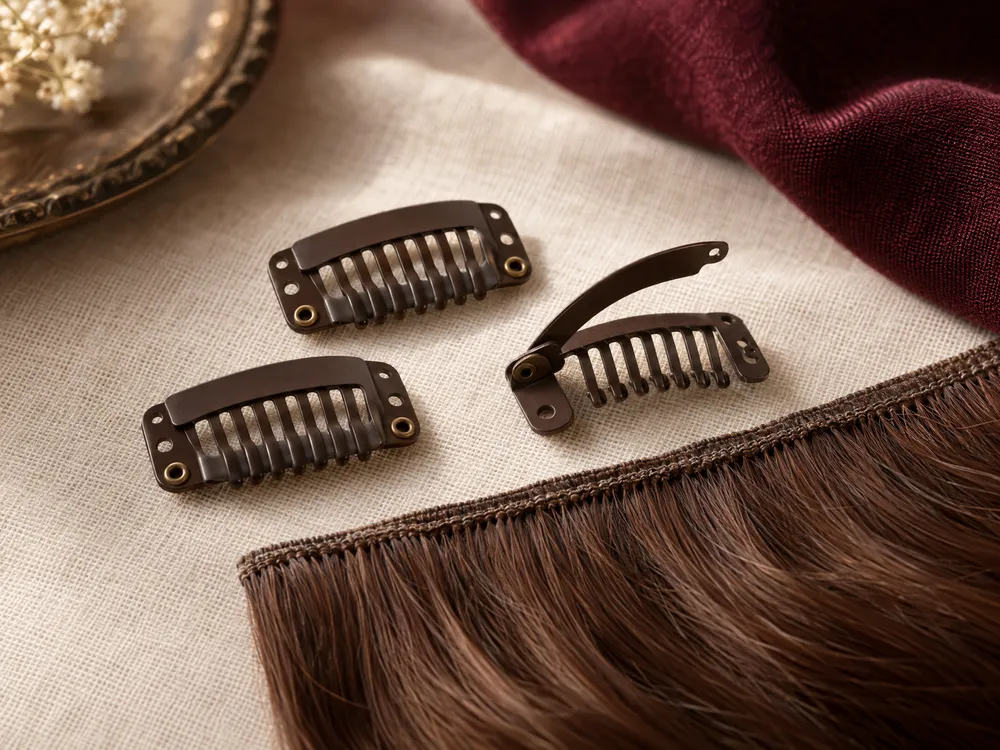
Explore the clip-in hair topper category and check each item's listed attachment method before choosing. Ask OWNSTRAND about product details and availability.

Explore what a monofilament hair topper base means, how it differs from other topper bases, and what to check before choosing. Ask OWNSTRAND about options.