

How to Use Wigs for Face Shape as a Starting Point
Face-shape guides are most useful when they turn a broad impression into details you can actually compare. Instead of asking which category you belong to, notice where a style adds width, where it draws the eye, and how its ends sit beside your features. Your favourite appearance remains a valid choice even if it differs from a conventional suggestion.
Begin with wigs for face shape, then compare proportions
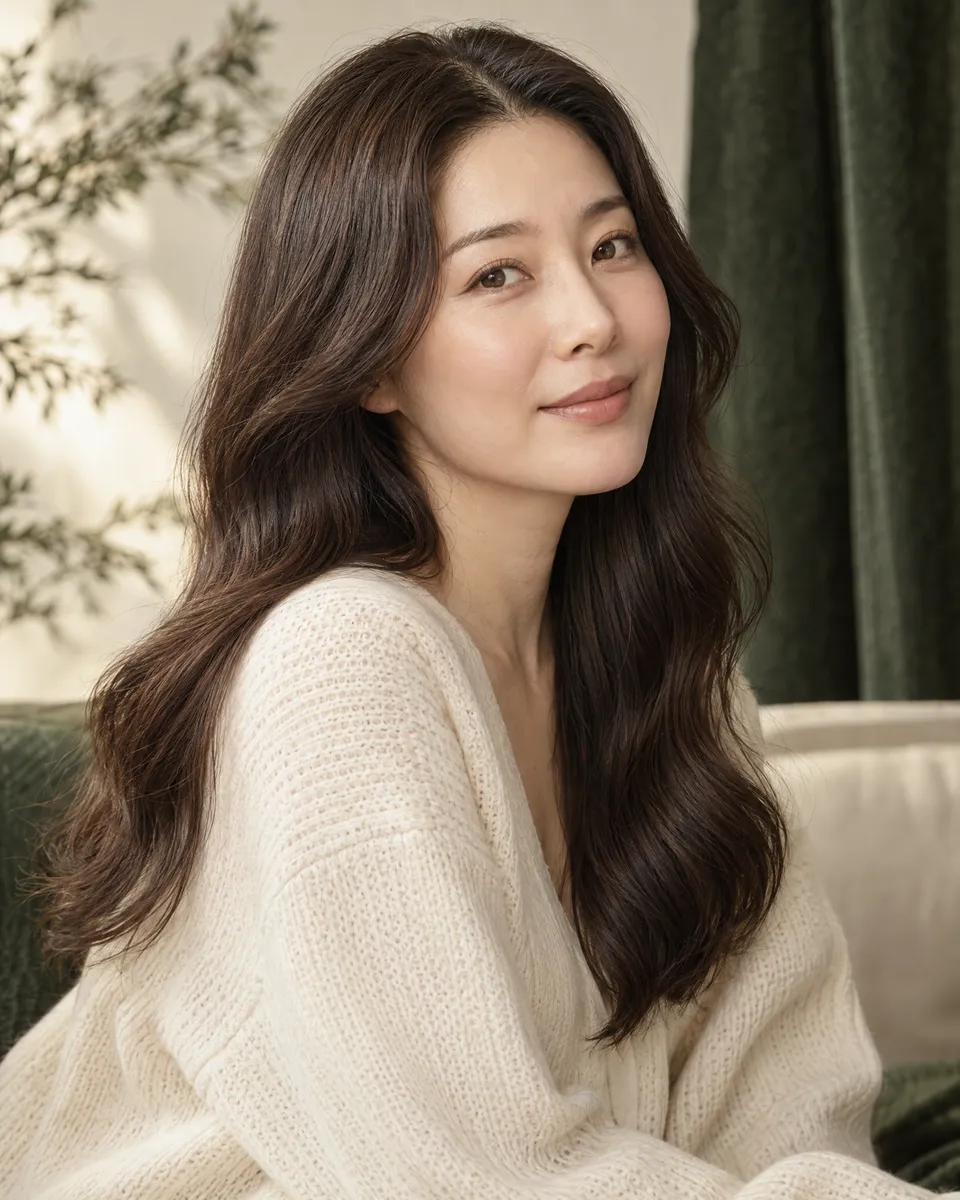
Start with three visual checks: the overall length, the parting or fringe, and the shape made by the hair at cheek and jaw level. A side part can shift the balance of a look; a fringe changes how much forehead is visible; layers can make the outline feel less solid than a blunt edge. These are comparisons, not corrections. Look at each option from the front and side where possible, because a style that looks appealing in a single image may have a different outline when worn.
Then compare examples within one family rather than judging a whole category at once. For instance, short wigs include different bob lengths and finishes, while layered wigs can have soft or more defined shaping. If you are deciding whether the hair itself should fall straight or move around the face, compare straight wigs with a layered outline. A picture is a starting reference, not evidence that a particular product, colour or construction is available.

Style Ideas for Round, Heart-Shaped and Square Faces
The following ideas focus on the impression made by a hairstyle, not on changing or hiding anyone’s features. If a face seems fuller at the cheeks, narrower at the chin, or more angular at the jaw, compare how different outlines sit around those areas. Try the option that matches your taste first, then use a contrasting style to see what changes.
Round-face style ideas to explore
For wig styles for round face, compare a cheek-length outline with hair that continues below the jaw. A longer line can make the overall look feel more vertical, while a shorter, softly layered shape can bring attention to the cheek area. Neither is automatically more flattering: one may feel lively and compact, the other more elongated. A part placed slightly off-centre is another simple comparison against a centred part, because it changes the symmetry of the frame without requiring a different cut.
Fringe is a separate choice from length. wigs with bangs let you compare a visible forehead with a fringe that partly frames it; notice whether the fringe is light and separated or has a fuller, straighter edge. Think about how much styling you want to do and how the fringe meets the sides. If the aim is simply to find a look you enjoy in everyday settings, there is no need to choose the option that promises to make a face appear narrower.
Heart-shaped face: balance through styling
A heart-shaped face is often described as broader across the forehead and narrower towards the chin. As a styling idea, compare a fringe or side-swept front with an open forehead, then notice how the hair falls beside the lower cheeks and jaw. A bob that ends around the jaw can give that area more visual presence; a longer, smoother style keeps the outline continuous. Those are different effects, not a prescription that the chin needs to be concealed.
Soft layers around the sides can make the transition from temple to jaw look less abrupt, while a sleek outline can feel cleaner and more defined. Compare the same length with and without a fringe if you are unsure which detail matters most. For more length choices, browse medium length wigs alongside long wigs; consider where their ends fall on you rather than relying only on the category name.
Square-face looks and softer outlines
If your face looks more angular around the forehead or jaw, compare a rounded or layered edge with a straight, blunt line. A soft wave or broken-up layers can add movement beside the jaw; a smooth, straight style can make the shape look more graphic and intentional. You may prefer either impression. The useful question is whether you want to echo a defined outline or introduce a softer contrast, rather than whether your face needs to be disguised.
Length and parting also change the overall effect. A side part paired with layers can create an asymmetrical frame, while a centre part and even ends can emphasise symmetry. natural-looking wigs are a separate style consideration: if a believable front hairline matters to you, compare how the front is described, but do not assume a face-shape recommendation confirms a particular base or item. If you are considering fibre as well as shape, human hair wigs involve a separate set of care and styling decisions.

Choosing a Bob Wig for Your Face Shape
A bob is not one fixed outline. The length, amount of layering, position of the ends and presence of a fringe all change how it frames the face, which makes it a practical style family to compare across face shapes. Consider the result you want before deciding that a particular bob is or is not for you.
Try bob lengths as a flexible starting point
When looking for a bob wig for face shape, compare where the cut ends: near the cheek, around the jaw, or lower towards the neck. A shorter bob can put more attention around the upper face; a jaw-length version makes the edge of the cut a stronger part of the frame; a longer bob gives you a little more length without moving into a long style. Add the cut’s outline to the comparison. A blunt bob reads more defined, while soft layers or a slight wave make the edge look less uniform.
Use this small comparison as a practical shortlist, not a ranking. If one shape appeals but you are unsure about its fringe, keep the length and compare only the front. If the outline seems too strong, compare the same length with softer ends. You can also browse short wigs for bob variations, then buy a wig online in Hong Kong only after checking the details relevant to the specific option. A category page or reference image does not confirm current stock or supply.
For in-person custom enquiries, OWNSTRAND Wigs describes a process that can include viewing samples, head measurement and a return fitting with wash, cut and blow-dry. The confirmed salon address is Unit 2103, 50 Hoi Yuen Road, Kwun Tong, Hong Kong (利寶時中心). WhatsApp +852 5933 4697 is for asking about a style, quotation or supply confirmation; sending a message does not place an order. Ask about a particular bob and its details rather than assuming every pictured shape can be supplied.



| Starting point | Style details to compare | Possible visual impression | A useful next comparison |
|---|---|---|---|
| Round face | Cheek-length versus below-jaw length; centre versus side part | A compact frame versus a longer, more vertical line | Try a soft-layered short cut beside a longer straight style |
| Heart-shaped face | Fringe or open forehead; ends at jaw versus below it | More attention around the lower face versus a continuous outline | Compare a jaw-length bob with a medium-length style |
| Square face | Blunt ends versus layers or a soft wave; centre versus side part | A defined geometric frame versus more movement beside the jaw | View the same length with a softer edge |
| Any face shape considering a bob | Short, jaw-length or longer bob; fringe and edge finish | Different emphasis around cheeks, jaw and neck | Change one detail at a time before ruling out the cut |
Ask about a style or availability
Tell us the style you have in mind. We can discuss the options, quotation and arrangements before you decide.
Ask about a style or availabilityBefore you choose
Do I have to follow a rule for my face shape when choosing a wig?
No. Face-shape suggestions are starting points, not fixed rules. Your preferred length, parting, overall look and comfort matter too. The American Cancer Society also notes that no single wig type or style is better for everyone; use its general selection advice as support for personal choice, not as a face-shape rule.
What wig styles can I explore for a round face?
Compare different lengths, partings and face-framing outlines. A style that falls below the jaw creates a different impression from a cheek-length cut, and a side part differs from a centred one. These are styling ideas, not a promise that one cut will suit everyone.
Can I choose a bob wig for my face shape?
Yes, a bob is one style to explore across face shapes. Consider where its ends sit, whether its edge is blunt or layered, and whether you prefer a fringe. Judge the particular outline you like rather than relying on a single face-shape formula.
How can I narrow down the best wig style for my face shape?
Begin with styles you already like, then compare a few lengths and outlines while changing one detail at a time. If you would like to explore a particular option, ask about that style and confirm its details and supply before making a decision.
Further reading
- American Cancer Society — Wigs for Hair LossSupports the general selection point that no one wig type or style is better than another and that the wearer's preference matters; it does not establish a face-shape rule or endorse OWNSTRAND.
Still weighing up your options?
Follow a related guide to make your next decision with clearer information.

Explore wigs with bangs across bob, pixie and side-swept looks. Compare full-wig fringe shapes and ask OWNSTRAND about a style before checking current details.
Explore straight wigs for long, short or sleek looks, and compare hair materials by each product’s stated specifications. Ask OWNSTRAND about styles in Hong Kong.
Explore natural-looking wigs and natural hairline wigs through a practical guide to fit, colour, density, hairline and styling. Ask OWNSTRAND what to compare.

Explore human hair wigs with clear guidance on hair type, care labels and fit. Compare options and contact OWNSTRAND Wigs to ask about styles and availability.