



Why sweating under a wig can feel uncomfortable
Warmth is shaped by the weather, what you are doing and your own comfort, as well as by how the wig and any liner sit. Rather than assuming there is one cause, look for the circumstances that make a sweaty scalp under a wig more noticeable to you.
How weather, activity and fit affect sweating under a wig
Hong Kong’s humid weather can make a warm day feel close, while walking, exercise or rushing between appointments may make you feel warmer than when you are resting indoors. The wig is only one part of that experience. Personal comfort differs, and a cap that feels fine in an air-conditioned room may feel different outside. Notice the setting and activity, then plan a break before you feel you have to endure the discomfort.
Fit is worth checking for comfort, but do not respond to sweat by tightening the wig. A secure fit should not feel needlessly restrictive. Check that the cap is sitting as intended and that any adjustable straps are set comfortably; our guide to adjustable wig straps explains what to consider when adjusting them. If you also notice itchiness or rubbing, read itchy scalp under wig for separate comfort pointers. A persistent or concerning scalp problem is not something to diagnose from a wig article; consider speaking with a qualified healthcare professional.
A liner can change how the wig feels against your head, but it is not a universal solution. Fabric, fit and your own preferences matter, and adding a layer may feel different from wearing the wig without one. If you are comparing an option marketed for moisture management, our sweat absorbing wig liner guide can help you think through the choice. Treat product descriptions as something to check for the exact item, not as a promise that sweating will stop.

Simple ways to manage warmth while wearing a wig
A practical plan focuses on comfort rather than trying to eliminate sweat. Think ahead about where you can pause, what you can remove or dry, and which care instructions apply to your wig.
Take breaks and follow the care instructions
Before a warm or active day, choose a place where you could take a short break in privacy and comfort. When appropriate, remove the wig and let your scalp breathe; if removing it is not convenient or safe at that moment, move somewhere cooler and pause the activity where possible. Carrying a clean, dry liner as a spare may suit some routines, but only use an item that sits comfortably and is appropriate for your wig. A liner should not be treated as a guaranteed fix.
If a liner is part of your routine, keep the spare separate from the one you have worn. When you take the wig off, allow the scalp and liner to dry before putting them back together. Do not put a damp liner under the wig and expect it to feel cooler; moisture against the skin can simply remain uncomfortable. Avoid vigorous rubbing at the hairline. If the scalp feels sore or irritated, stop wearing the wig until you are comfortable and seek appropriate professional advice if the concern continues.
Care after a warm spell depends on the exact wig. Cleveland Clinic’s wig-care guidance says to follow the manufacturer’s suggestions and distinguishes care for human-hair and synthetic wigs, so its general washing steps should not replace the instructions for your own piece (Cleveland Clinic, “Wig Care 101: How to Wash, Style and More”). Sweat does not automatically mean you should wash a wig immediately. Check its care label or ask the supplier what is suitable before wetting, washing or applying a product.
Drying and restyling are separate questions from cooling your scalp. Do not assume that a tool or setting safe for one fibre is suitable for another. Check can you use heat on a human hair wig if yours is human hair, or read heat friendly synthetic wig care for a synthetic piece with heat-friendly claims. Even then, rely on the instructions for the particular wig and tool. Sweat itself is not a reason to change colour; if you are considering that for another reason, first read can you dye a human hair wig and check the item’s suitability.
When to pause wig wearing and cool down
Take the wig off and cool down when you feel too hot or uncomfortable, provided you can do so safely and in a place where you feel at ease. A pause is especially sensible after activity, when you are indoors and can give your scalp and liner time to dry, or whenever wearing the wig stops feeling comfortable. You do not have to wait for a particular amount of sweat or a set time before taking a break.
For exercise or an outdoor plan, make comfort part of the practical decision: choose a manageable activity, plan a chance to rest and consider what you would prefer to do if you become too warm. You may decide to wear a wig, use another covering or pause wearing it; there is no single correct choice for everyone. If you cannot remove it privately, moving to a cooler place and resting may be the most practical first step. A wig is not protective equipment for heat or exercise, and it should not be treated as a way to manage a health condition.
Use this simple three-check routine when warmth starts to bother you: place—can you get somewhere cooler and comfortable? fit—does the cap feel settled without being too tight? next step—would a break, removal or a dry liner help you feel more at ease? These are prompts for your own comfort, not a test or a guarantee. If the answer is to stop wearing the wig for now, that is a reasonable choice.

Wig and scalp care after a warm day
Once you are home or in a comfortable place, separate scalp care from wig care. Let each dry, then decide whether any cleaning is needed according to the wig’s own instructions rather than using sweat alone as a rule.




| Situation | Comfort-first option | Before wearing again | Do not assume |
|---|---|---|---|
| Warm, humid day outdoors | Plan a pause in a cooler place; remove the wig when safe and comfortable. | Let your scalp and any liner dry; check that the fit still feels comfortable. | A particular cap or liner will prevent sweating. |
| After walking or exercise | Rest and cool down instead of pushing through discomfort. | Use a clean, dry liner if appropriate, and follow the wig’s care directions. | Every activity or wig-wearing routine suits every person. |
| Liner feels damp | Take it off when practical and replace it only with a suitable dry one. | Keep the worn liner apart until it can be washed or dried as its care label allows. | Adding another layer automatically makes the wig cooler. |
| Wig feels warm but is not dirty | Take a break and allow the scalp to cool; decide about cleaning separately. | Check the item-specific label before washing, drying or restyling. | Sweat always means wash immediately or use heat to dry the wig. |
Browse wig care guidance
Tell us the style you have in mind. We can discuss the options, quotation and arrangements before you decide.
wig care guidesBefore you choose
Why does my head get sweaty under a wig?
Warm or humid weather, activity, individual comfort and how a wig or cap sits can all affect how warm your scalp feels. A busy walk may feel quite different from sitting indoors. Sweating is not necessarily a sign that one specific wig feature is wrong; notice the circumstances and adjust your routine around how you feel.
How can I reduce sweating under a wig?
Try taking a break in a cooler place and remove the wig when it is safe and practical. Let your scalp and any liner dry before wearing them again, and use only a liner and care routine that suit your wig. Adjust the fit for comfort rather than tightening it. No method can guarantee a sweat-free experience.
Can I wear a wig in hot weather?
Some people choose to wear a wig in warm weather, but comfort depends on the person, activity and conditions. Plan a chance to rest and somewhere comfortable to pause. If you feel too hot or uncomfortable, take the wig off when safe and practical, or move somewhere cooler and stop the activity for a while.
How should I care for a wig after a sweaty day?
Let your scalp and liner dry, then check the care guidance supplied for that specific wig. Materials and suitable cleaning or styling methods can differ, so do not assume that every wig should be washed or heat-dried in the same way. Clean a liner according to its own care label, and avoid putting it back on while damp. For more topics, browse our wig care guides.
Further reading
- Cleveland Clinic — Wig Care 101: How to Wash, Style and MoreSupports the specific statement that general care recommendations differ between human-hair and synthetic wigs and that the wearer should follow the wig manufacturer's care suggestions; it is not a Hong Kong-specific product instruction.
Still weighing up your options?
Follow a related guide to make your next decision with clearer information.

Can you dye a human hair wig? It depends on its history and maker’s care guidance. Check before colouring, bleaching or perming; ask us about your wig.
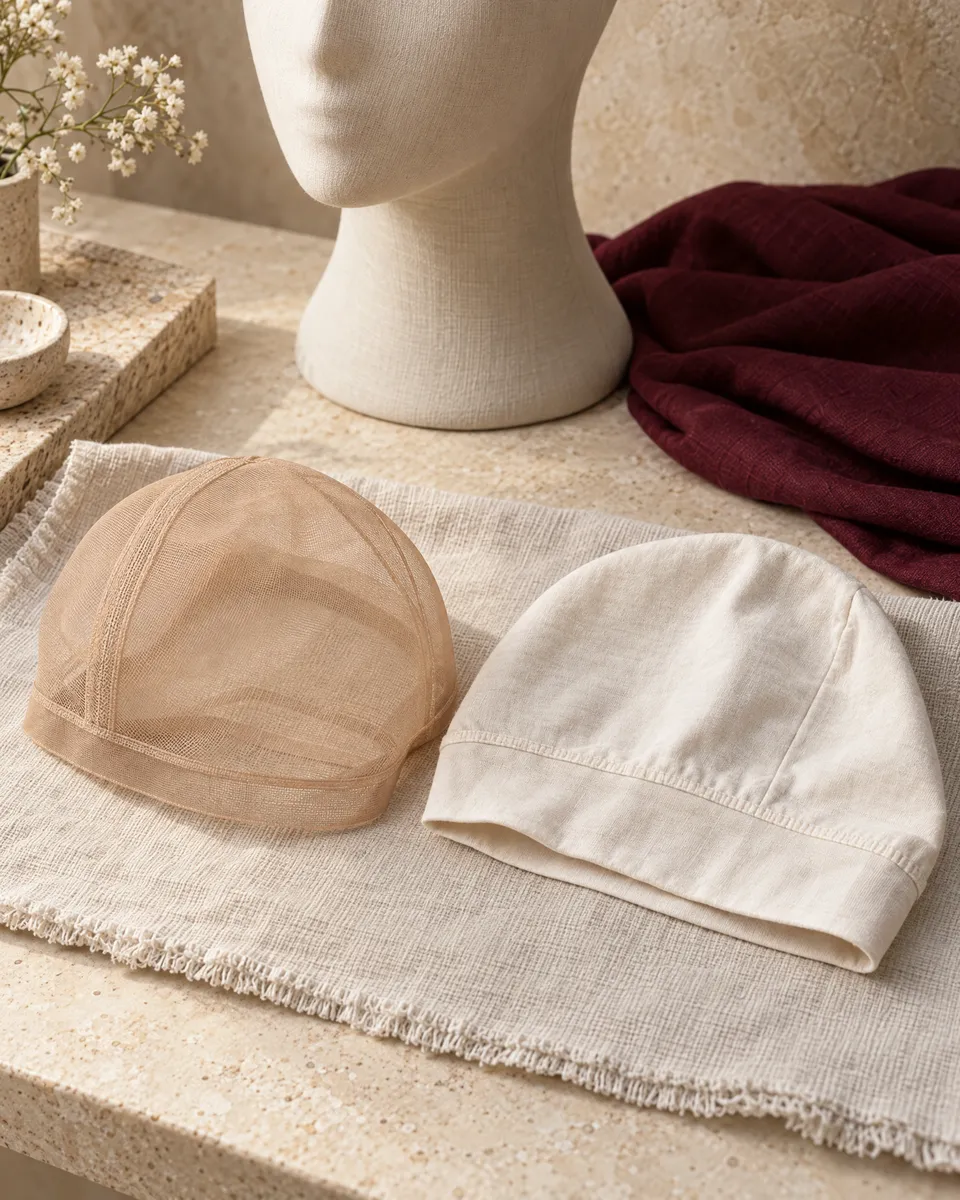
Learn what a sweat absorbing wig liner may offer in warm weather, what to consider before choosing one, and ask OWNSTRAND Wigs about your options.
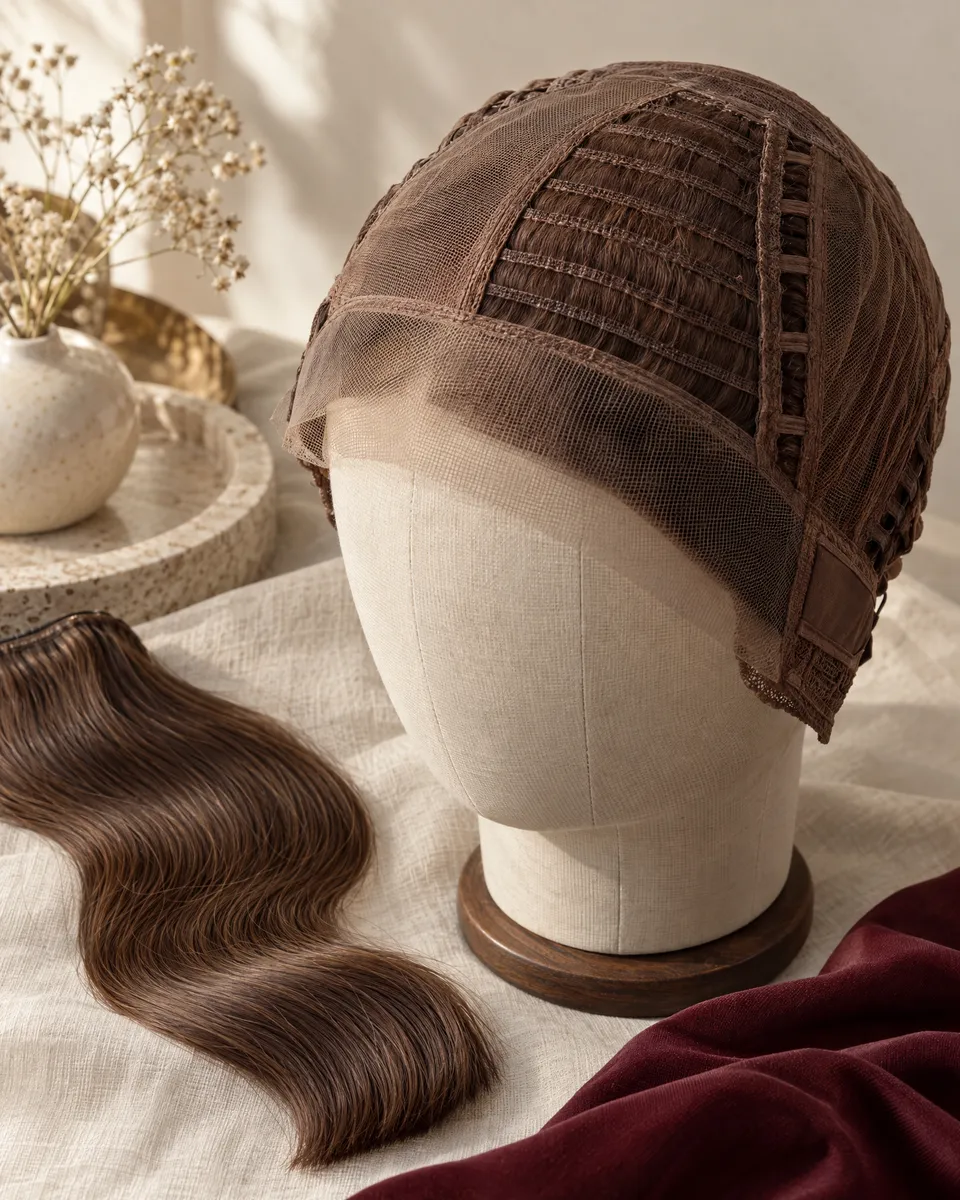
Explore how a wig for hot humid weather may feel different by cap and fibre, plus what to consider in a lightweight breathable wig. Ask OWNSTRAND about options.
Wearing a wig all day can feel different for each person. Consider fit, personal tolerance and warm-weather comfort, then ask OWNSTRAND about your options.