

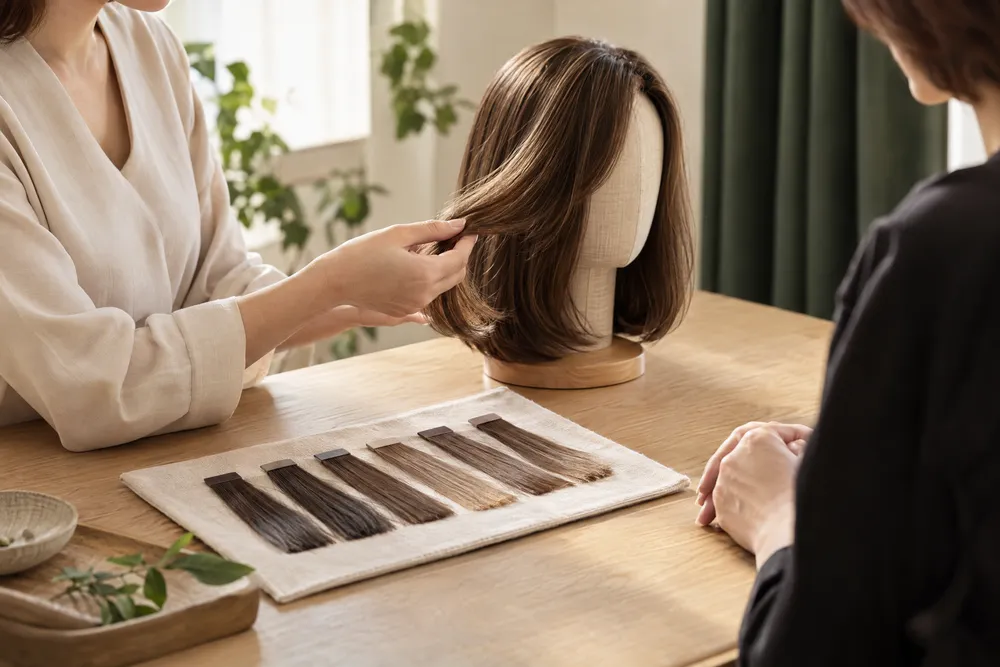
What Does Cranial Prosthesis Wig Mean?
The phrase combines a broad reference to the head with the idea of a replacement or covering. In wig conversations, it can describe a wig used to cover hair loss, but it is not a reliable product specification. Think of it as a description of intended use rather than a label that settles the construction, quality or suitability of a particular piece.
Is a cranial prosthesis wig a specific type of wig?
Not necessarily. The wording does not identify whether the hair is human hair, synthetic fibre or a blend; whether the base is wefted, lace or another design; or whether the wig is full-head coverage or a different format. Nor does it say how a piece is fitted or held in place. Those are product-level details to check separately. Someone looking for alopecia wigs may use similar search terms, but the right comparison still depends on the look, coverage and wearing preferences they want—not on the label alone.
For a more useful comparison, write down three checks before you browse: fibre, cap or base construction, and fit and coverage. Then ask how the wig is cared for and which styling instructions apply to that specific fibre. A synthetic option and a human-hair option can behave differently in styling and maintenance; neither description automatically means the piece will suit every wearer or routine. Our guide to synthetic wigs for cancer patients discusses the material choice as an appearance and care comparison, not as a medical recommendation.
Fit is also personal. Head shape, preferred coverage, fringe or parting, and how secure a wig feels can matter more than the terminology printed in an advert. If you are preparing ahead of treatment, the practical wig before chemotherapy guide can help you think through style and preparation questions. For any new or changing scalp concern, rely on your healthcare professional for medical guidance; a wig description cannot assess a health condition.
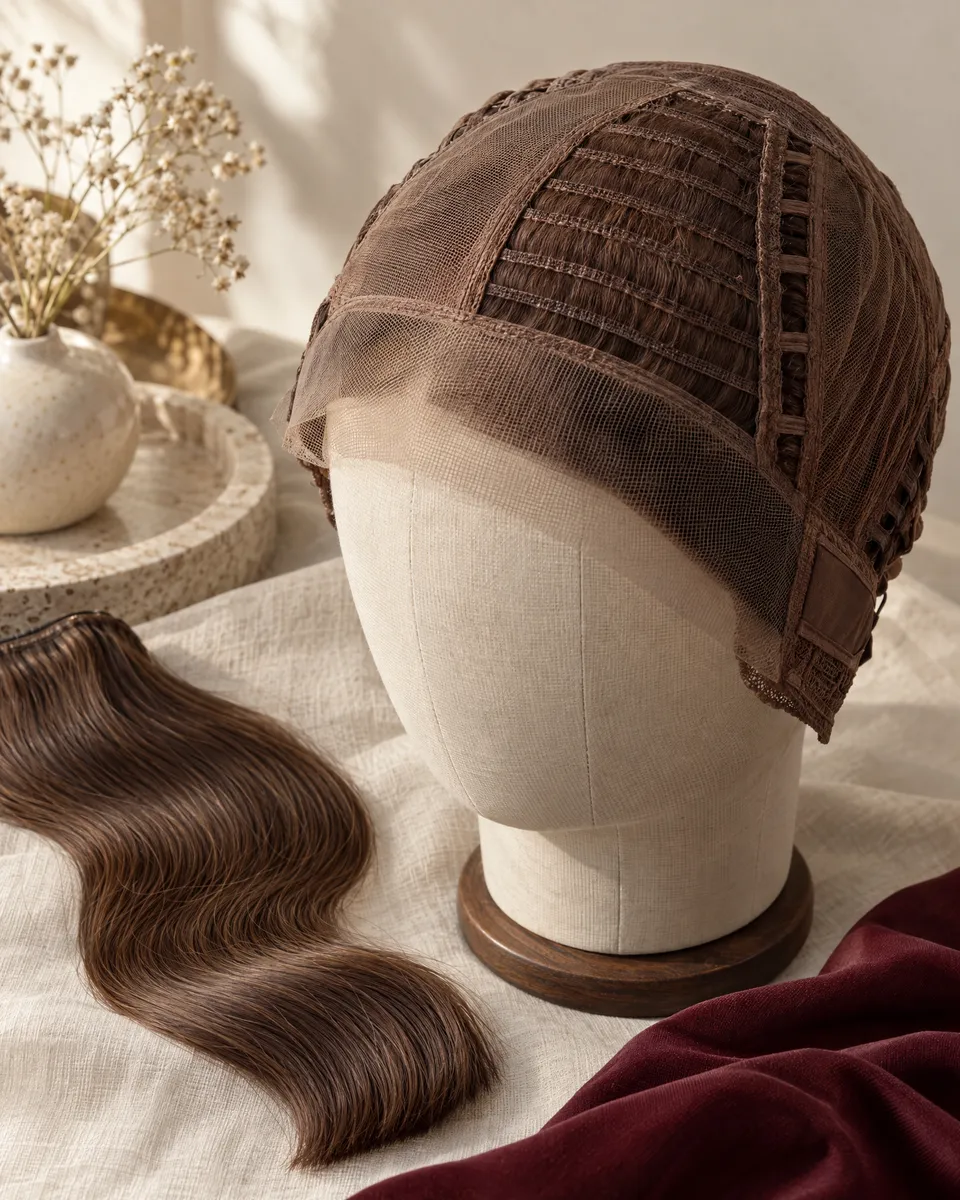
How Cranial Prosthesis Wig Relates to Other Terms
People, retailers and organisations may use overlapping language, so two similar phrases need not refer to identical products. When you see “cranial prosthesis”, “hair prosthesis” or “hair prosthesis wig”, read the surrounding description and ask what the seller means in that particular context.
How are cranial prosthesis and hair prosthesis used?
“Cranial prosthesis” is sometimes used as a broader or more formal-sounding term for a hair-covering piece, while “hair prosthesis” puts the emphasis on the hair replacement. “Hair prosthesis wig” may be used to make the wig format explicit. These are not dependable names for a single cap pattern, fibre or maker. In a listing, look for plain details such as fibre type, base construction, measurements, colour description, care instructions and what is included; request clarification when those details are absent.
A comparison table can keep the wording in perspective:
If you are deciding between human hair, synthetic fibre or a combination, compare how each option fits your preferred styling and care routine rather than assuming that one term signals a better choice. See human hair synthetic blend wigs for the questions to ask about blended fibre. In Hong Kong’s humid weather, care and finish may also be relevant; our wig frizz in humidity guide focuses on that specific concern. The label “cranial prosthesis” cannot tell you how a wig will respond to humidity or which care directions to follow.
Appearance is another separate decision. A natural-looking result might mean a hairline that feels right to you, a familiar silhouette, or a colour and density that reflect your own style. The phrase does not promise any of these features. Use photographs or samples as references only where the seller can identify the actual item, and ask what can be adjusted. Our natural-looking wigs guide offers a more direct checklist for comparing hairlines and overall appearance.

What the Term Does—and Does Not—Tell You
The phrase can help explain why someone is looking for a wig, but it should not be treated as evidence of a regulated status, funding arrangement or particular technical standard. Keep the everyday product choice distinct from any medical, insurance or reimbursement question.
Does medical wig terminology confirm coverage or certification?
No. Calling an item a cranial prosthesis does not by itself establish medical certification, insurance eligibility or reimbursement. Requirements, if any, are set by the relevant insurer, employer, healthcare provider or other organisation, and may depend on documents and circumstances beyond the name of a wig. Ask that organisation directly what it requires and whether a particular document or product description is acceptable. Do not assume that a retailer’s use of the term is an approval or promise of payment.
The American Cancer Society’s general wig guidance discusses practical selection factors such as fibre, cap choices and fit. That supports comparing the actual wig rather than relying on a broad label; it does not establish Hong Kong insurance rules or endorse a seller. For the exact wording, see Wigs for Hair Loss. The same distinction is useful when checking a receipt, quotation or product page: ask what the item is, and separately ask the payer what documents it accepts.
For appearance-led shopping, compare the product description, sample or reference, fitting process and care information in a calm, private conversation. OWNSTRAND Wigs is a Kwun Tong wig salon; customers can view samples, have their head measured for handmade custom human-hair work, and return for a fitting with washing, cutting and blow-drying. Our Kwun Tong salon is at Unit 2103, 50 Hoi Yuen Road, Kwun Tong, Hong Kong (利寶時中心). If you are comparing local options, our compare wig shops in Hong Kong guide suggests practical questions to ask. Explore wigs by the style and details that matter to you, and remember that an enquiry can clarify quotation and availability for a chosen option without assuming it is already supplied.




| Wording or detail | What it may tell you | What to verify separately |
|---|---|---|
| Cranial prosthesis wig | A wig described as intended to cover hair loss | Fibre, base design, coverage, fit and care |
| Hair prosthesis / hair prosthesis wig | Related wording for a hair-covering piece; usage varies | Whether the item is a wig and its actual specifications |
| Medical or insurance wording | The context in which someone is discussing the item | Certification, eligibility and accepted documents with the relevant organisation |
Ask OWNSTRAND about wig terminology
Tell us the style you have in mind. We can discuss the options, quotation and arrangements before you decide.
Ask OWNSTRAND about wig terminologyBefore you choose
What does cranial prosthesis wig mean?
It is a phrase sometimes used for a wig intended to cover hair loss. It describes a purpose, not a specific fibre, cap construction, maker or product specification. Check the actual item details when comparing options.
Is a cranial prosthesis wig different from a hair prosthesis wig?
The phrases can be used in similar contexts for a hair-covering prosthesis, but their wording does not establish whether two listings describe the same type of piece. Compare the fibre, base, coverage, fit and care details rather than assuming the names are interchangeable product specifications.
Does the term cranial prosthesis mean a wig is certified or reimbursable?
No. The term alone does not confirm certification, insurance eligibility or reimbursement. Ask the relevant insurer or organisation directly about its rules and required documents; a product label is not proof of approval.
Further reading
- American Cancer Society — Wigs for Hair LossSupports the specific general point that wig selection can involve comparing fibre, cap choices and fit. It is cited for practical selection context only, not Hong Kong coverage rules, product certification or endorsement of OWNSTRAND.
Still weighing up your options?
Follow a related guide to make your next decision with clearer information.

Compare synthetic wigs for cancer patients with human hair options during treatment, plus care and selection points. Ask OWNSTRAND about styles and availability.
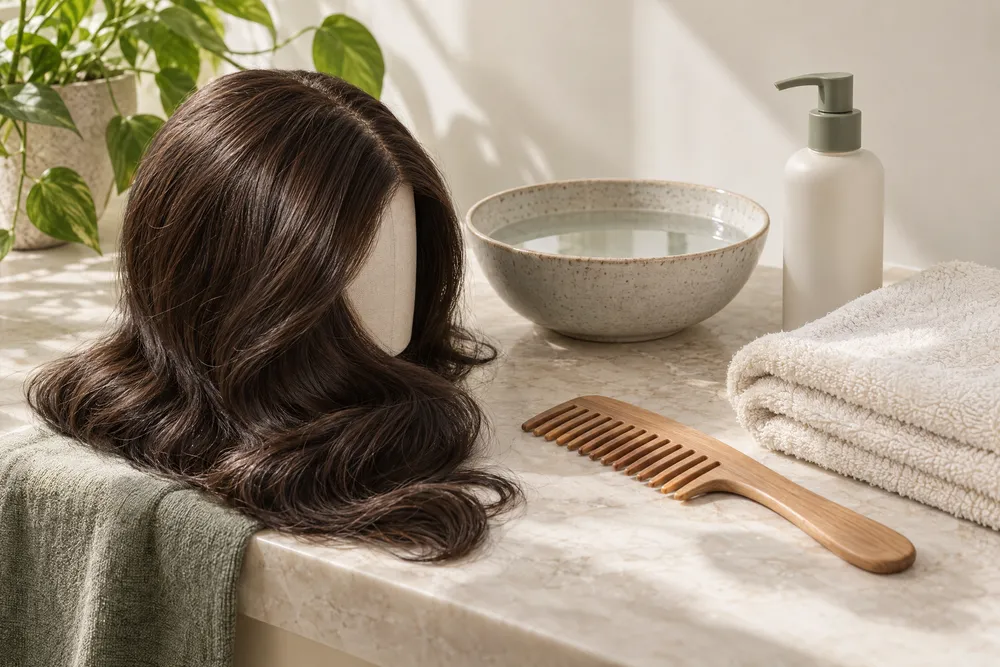
Wig frizz in humidity varies by fibre and style. Learn what to check for human-hair and synthetic wigs, and ask OWNSTRAND Wigs about care for a specific style.

Explore human hair synthetic blend wigs and compare fibre considerations. Confirm each style’s materials and availability with OWNSTRAND Wigs before enquiring.
Explore natural-looking wigs and natural hairline wigs through a practical guide to fit, colour, density, hairline and styling. Ask OWNSTRAND what to compare.