



Itchy Scalp Under Wig: Start with Simple Comfort Checks
A useful first step is to describe the situation rather than guess at a cause. A short, calm check can help you decide whether to pause, review the care routine or ask for help with fit. Keep the focus on the wig and products you are using, not on blaming yourself or assuming that every style will feel the same.
Itchy Scalp Under Wig: Notice When Discomfort Starts
Think about the sequence. Did the itch begin as soon as you put the wig on, after several hours, after a warm journey, or after washing or styling? Note whether it happens every time or only with one particular wig, liner, adhesive or care product. This does not prove that any one item is responsible, but a clear pattern gives you more useful information than a general impression that your scalp is always itchy.
Pay attention to the area that feels uncomfortable and whether removing the wig changes the sensation. Avoid scratching hard or repeatedly adjusting a wig that already feels uncomfortable; friction can make a difficult moment feel worse. If you are comfortable doing so, write down the wear time, weather, activity and products used. Keep the notes simple and stop the comparison if symptoms are persisting or getting worse. The point is to communicate what you noticed, not to test your skin by repeatedly wearing something that irritates it.
Fit is worth noticing without trying to diagnose the problem. A piece that feels unusually tight, shifts, presses at an edge or rubs in one spot may be uncomfortable for reasons that need a practical fitting discussion. If you have a sensitive scalp, treat comfort as a personal preference rather than assuming that a soft-feeling or breathable description guarantees a good experience. Do not assume that tightening a wig will solve itch, or that a different cap construction will prevent it. If you are considering a liner or changing how you secure the wig, ask about the fitting and attachment options for the piece you are considering.
Check the Wig and Scalp Care Instructions
Before changing your routine, check the instructions supplied for the specific wig and any accessory or care product. Fibre and construction can affect how an item should be washed, dried, brushed or styled. Do not apply a scalp product to the wig, or a wig product to your skin, unless its instructions say that is appropriate. If a product was newly introduced shortly before the discomfort, pause it rather than layering on more products to mask the sensation.
For synthetic pieces, review the manufacturer's care and heat guidance before styling; the instructions for one fibre do not automatically apply to another. Our heat friendly synthetic wig care guide covers why the stated fibre and care limits matter. For a human-hair wig, do not assume that natural hair routines translate directly to a wig. Read can you use heat on a human hair wig before using heated styling tools, and check can you dye a human hair wig before considering a chemical colour change. If you need a broader maintenance reference, browse our wig care guides.
The American Cancer Society's Wigs for Hair Loss guidance notes that wig types and materials differ and advises checking care directions for the wig. That general point supports reading the instructions for the exact item rather than assuming one routine fits every piece. It does not identify the cause of an individual's itch or establish that any wig is suitable for a particular scalp concern.
What to Check When Sweat or Wear Seems to Trigger Itch
Warmth and longer wear can be part of the circumstances you notice, but they do not by themselves explain why your scalp itches. Look at the practical details around the episode and make a comfortable choice instead of treating sweat as a confirmed cause.
Pause Use if Irritation Continues
If the wig or another related product seems to bring on discomfort, take it off and give yourself a break. Avoid putting it straight back on to see whether the itch returns if the discomfort has not settled. If you sweat during activity or in humid weather, you may find it useful to read about a sweat absorbing wig liner or a wig for hot humid weather. These guides offer wearing considerations, not a promise that a liner or a particular wig will prevent irritation.
Think about the whole wear routine: how long the wig stays on, whether the room or journey feels warm, whether the piece is being worn over a liner, and whether it has been cleaned according to its own instructions. A liner adds another layer, so its material and washing directions matter too. Do not keep adding products or changing several things at once in an effort to find a quick cure. A measured account of what was worn and when is more useful if you later discuss the issue with a professional or a fitter.
If your concern is wearing the piece from morning to evening, our wearing a wig all day guide can help you think through breaks and practical routines. If you are wondering about overnight wear, see can you sleep in a wig. Neither longer nor shorter wear is a treatment for scalp symptoms; your comfort and the care instructions for your specific item should guide ordinary choices.

When to Stop Wearing a Wig and Seek Professional Advice
There is no need to endure persistent discomfort to prove that a style works for you. Stop using the relevant wig or product if irritation continues, and seek advice from a qualified health professional. This guide cannot determine whether the cause is related to the wig, the scalp or something else.



| What you notice | A useful next step | What not to assume |
|---|---|---|
| Itch starts soon after putting on one piece | Remove it if it feels uncomfortable; note where it presses or rubs and review the fit and instructions. | The timing alone does not identify a cause or prove that a different cap will solve it. |
| Discomfort appears during a warm or sweaty period | Pause wear, cool down in a comfortable way, and note the conditions; review the sweat and humid-weather guides if helpful. | Sweat may accompany the episode, but this does not establish that sweat caused the itch. |
| The sensation follows washing, styling or a new product | Check the item-specific instructions and stop using a product that seems to be associated with continuing discomfort. | Do not assume a product is safe for every wig, skin or routine just because it is labelled for wigs. |
| The irritation continues after a break or keeps returning | Stop using the relevant item and seek advice from a qualified health professional. | Do not keep testing the item or use this guide as a diagnosis. |
Read about sweating under a wig
Tell us the style you have in mind. We can discuss the options, quotation and arrangements before you decide.
sweating under a wigBefore you choose
What should I do if my scalp feels itchy under a wig?
If the wig or a related product seems to cause discomfort, take it off and pause use. Check the item's care instructions and note when the itch started, but do not keep wearing it to test a theory. If the irritation persists, stop using the relevant product and seek advice from a qualified health professional.
Can sweat be related to an itchy scalp under a wig?
You may notice sweat at the same time as discomfort, especially during warm weather or longer wear, but that timing cannot identify the cause. Pause if the wig feels uncomfortable, follow its own care directions and see our guide to sweating under a wig for related wearing considerations.
Should I keep wearing a wig if the irritation continues?
No. Stop using the relevant wig or product if discomfort continues, and seek advice from a qualified health professional. Do not rely on repeated wear or an unverified product change to resolve persistent irritation.
Can OWNSTRAND recommend a wig that will prevent scalp itch?
We cannot promise that a wig will prevent itch or irritation. You can ask us about options and fitting considerations for the piece you have in mind, while seeking professional advice for persistent discomfort. WhatsApp is for an enquiry, quotation and checking supply; it does not itself complete an order. For product selection, WhatsApp +852 5933 4697.
Further reading
- American Cancer Society — Wigs for Hair LossSupports the general factual point that wig types and materials differ and that care guidance should be checked for the specific wig; it does not diagnose itch or endorse OWNSTRAND or any particular product.
Still weighing up your options?
Follow a related guide to make your next decision with clearer information.
Can you dye a human hair wig? It depends on its history and maker’s care guidance. Check before colouring, bleaching or perming; ask us about your wig.
Browse practical wig care guides from OWNSTRAND Wigs, including washing, storage, detangling and everyday wear considerations for different fibres.

Can you sleep in a wig? Learn why overnight wear may affect comfort, tangling and care, and what to check for your specific wig. Ask OWNSTRAND Wigs.
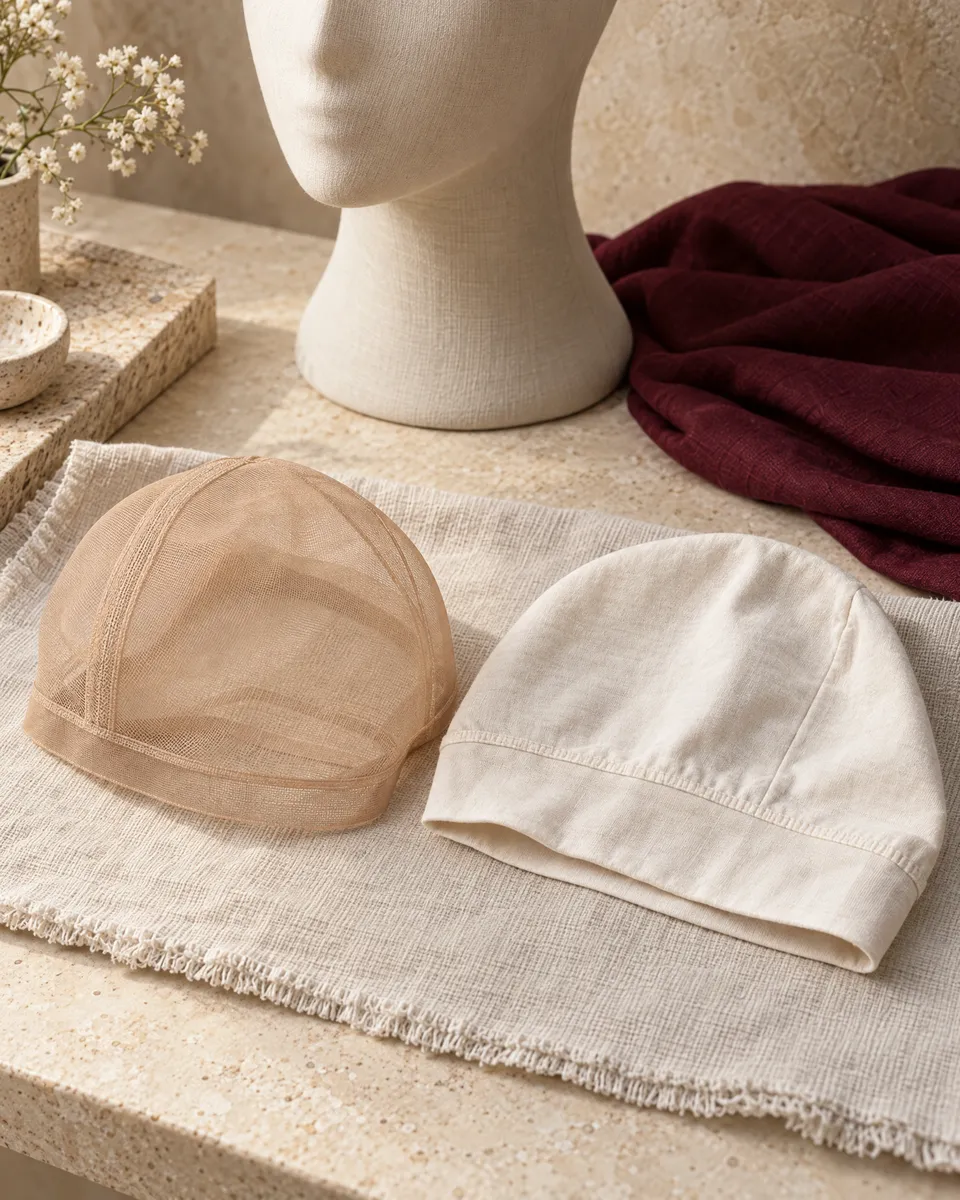
Learn what a sweat absorbing wig liner may offer in warm weather, what to consider before choosing one, and ask OWNSTRAND Wigs about your options.