
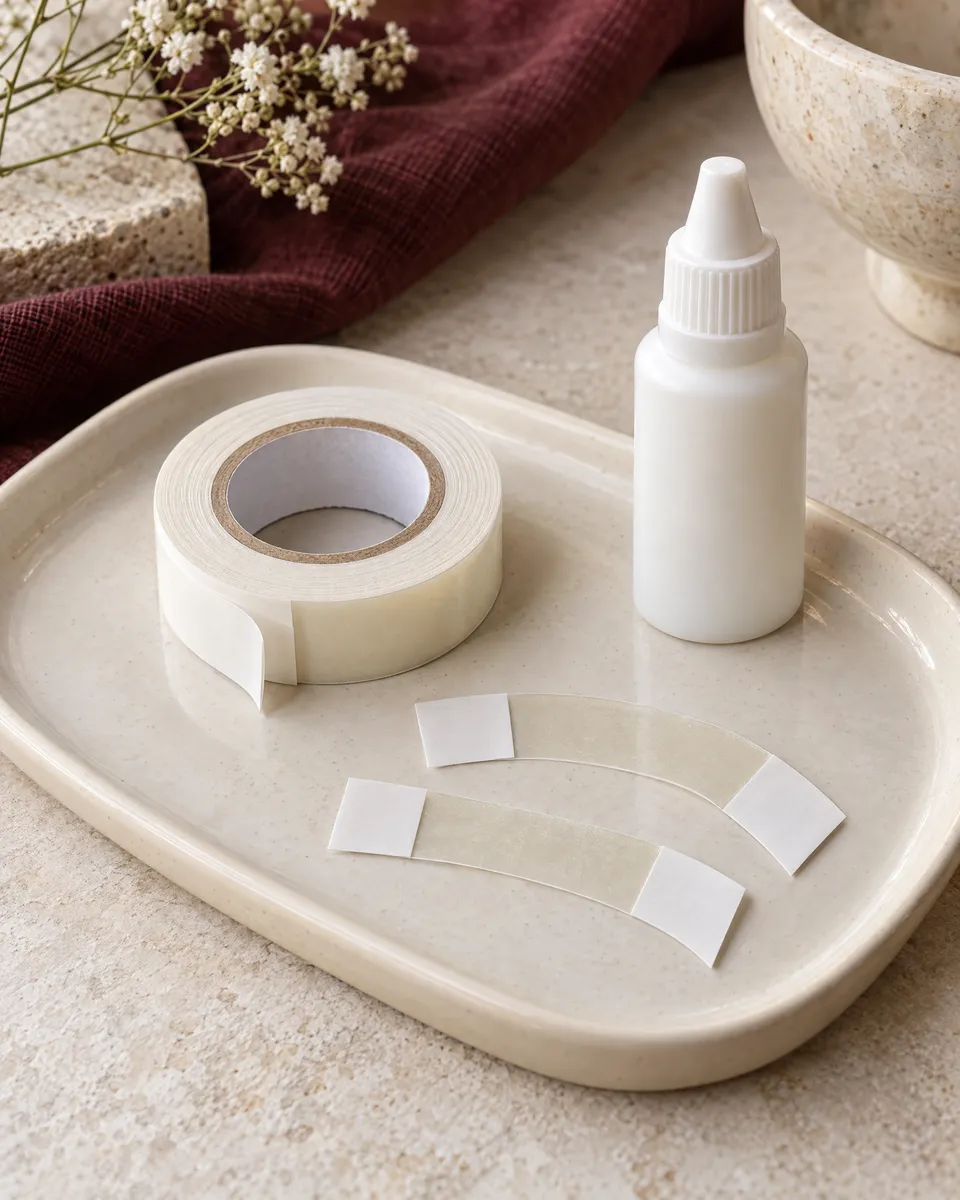


Understanding wig adhesive skin irritation
A new itch or tender feeling near a wig attachment is a reason to pause, not to guess at a diagnosis. Symptoms and timing cannot confirm which product or condition is responsible. Note what was used and when the feeling began, then follow the product directions.
Possible signs of wig adhesive skin irritation
People may notice itching, stinging, burning, tenderness or a rash after using a product near the hairline. The American Academy of Dermatology (AAD) says contact dermatitis often begins with itchy skin followed by a rash; blisters may also occur. These are general signs, not proof that adhesive caused them. An itch under tape is a cue to stop and check instructions, not proof of allergy. Read the AAD's contact dermatitis overview for general symptoms and professional assessment; it does not assess your product or scalp.
If a reaction follows use, note the product name, whether it was tape or liquid adhesive, when it was applied and removed, and what you noticed. Keep the directions available. This record can help you describe the sequence to a healthcare professional, but it does not establish the cause. Avoid repeating an uncomfortable application just to see whether the feeling returns.
Keep attachment questions separate from wig-fibre care. heat friendly synthetic wig care, can you use heat on a human hair wig and can you dye a human hair wig cover styling, not skin-contact or removal directions. Choose attachment by the instructions for the exact piece, not an assumed skin benefit. For a removable or bonded approach, see removable vs bonded hair system for men and verify the item’s details.

Patch-testing adhesive and following product directions
Patch-test location, amount, timing and assessment are specific to the adhesive. Follow that product’s directions; do not borrow another product’s schedule. If its label is missing or unclear, ask the supplier or manufacturer instead of inventing a method.
Read the adhesive's patch-test instructions before use
Read the full label before applying adhesive. Check whether a patch test is required, how to perform it, the observation period, signs that mean you should not proceed and the removal method. Follow those steps as written. A test does not guarantee a later or longer application will never cause a reaction; it is not permission to ignore discomfort or exceed directions.
Do not assume wig tape and liquid wig glue share ingredients or instructions. Compare the exact product’s intended use, application, wear limits, patch-test guidance and removal requirements. Wig tape is a different format from wig adhesive, but neither format proves a skin-suitability advantage. If you have a relevant skin or health concern, seek professional advice; this guide cannot assess personal suitability.
Plan removal before application. Check whether the product names a remover or specifies a sequence or waiting period. Do not substitute household solvents, scrape residue or pull tape sharply unless its directions say to. The wig adhesive remover guide compares removers by intended use; verify the directions for both products, as the remover also contacts skin.
Use three checks: confirm the exact product name, read its patch-test and application directions, and identify its removal method. If a step is unclear, wait and clarify it. Do not combine products or extend wear based on someone else’s routine. These checks provide product information, not a guarantee of suitability.
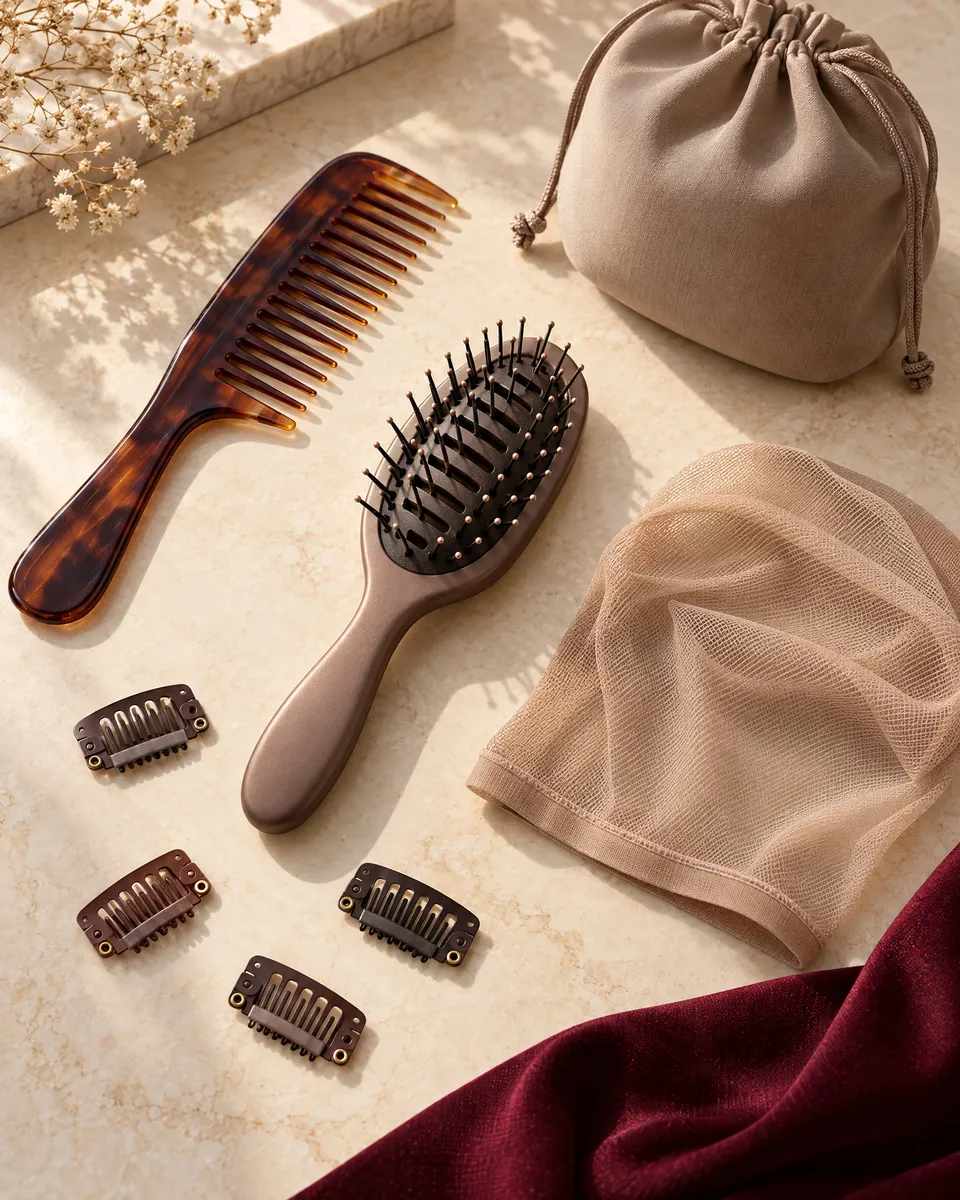
What to do if your scalp feels itchy
If itching or other discomfort begins while wearing a wig, pause use rather than wearing it longer to test your tolerance. Follow the product’s removal directions. Avoid pulling or improvising a solvent; if unsure how to remove it, seek product-specific guidance.
Follow the stated removal directions if discomfort occurs
Use the remover and steps named for that adhesive, allowing the stated time. Ease it away only as instructed; do not force a bond that resists or hurts. If directions do not explain what to do when discomfort occurs, ask the maker or supplier instead of improvising. Keep the container or label details available.
After removal, follow directions for residue and cleaning. Avoid immediately applying another adhesive or skin product to an uncomfortable area. This is not treatment advice; it is a reason to stop adding products while deciding what support is appropriate. For severe, persistent, worsening or concerning symptoms, seek qualified healthcare advice. The AAD's general information is not specific to wig adhesive.
For separate washing, storage and styling topics, read wig care Hong Kong or browse the wig care guides; neither replaces instructions for products used on skin. If uncertain which directions apply, send the product name or a clear label photo through WhatsApp to ask about product details. OWNSTRAND Wigs can answer an enquiry or quotation and confirm supply arrangements; a message is not an order or healthcare advice.
| What you notice or need to decide | Practical next step | Why this is the safer comparison |
|---|---|---|
| You are choosing between tape and liquid adhesive | Compare the exact product's intended use, patch-test directions, wear instructions and named removal method before choosing. | Product format does not establish that one option is suitable for every scalp, and directions can differ between products. |
| You are about to apply an adhesive for the first time | Read and follow that product's own patch-test instructions, including its timing and application steps. | A test schedule or method from another brand or product may not apply. |
| Itching, stinging or a visible change appears during or after wear | Stop use; follow the stated removal directions and seek qualified healthcare advice if symptoms are severe or persistent. | A sensation or rash cannot by itself confirm the cause, and pulling or an improvised solvent may add another problem. |
| You cannot find a clear removal method or the label is unclear | Pause and ask the product supplier or manufacturer for product-specific directions before using it. | Guessing about solvents, timing or force means departing from the product's instructions. |
Read the wig care guide for Hong Kong
Tell us the style you have in mind. We can discuss the options, quotation and arrangements before you decide.
wig care Hong KongBefore you choose
Should I patch test wig adhesive before using it?
Follow that adhesive’s own patch-test directions, including its stated steps and timing. Do not borrow another product’s instructions. A test cannot guarantee that irritation will not occur later.
What should I do if wig tape causes a skin reaction?
Stop using it and follow the tape’s stated removal instructions; do not pull it off or improvise a remover. Seek qualified healthcare advice for severe, persistent or concerning symptoms.
Can wig glue be suitable for sensitive skin?
Suitability varies; this guide cannot confirm that a glue suits sensitive skin. Check its information and follow its patch-test and removal directions. For a relevant skin or health concern, ask a qualified healthcare professional before use.
What if my scalp itches after using wig adhesive?
Do not ignore discomfort or keep wearing it to test it. Follow the adhesive’s removal directions and do not apply another product to the area. Seek professional healthcare advice for severe, persistent, worsening or concerning symptoms.
Further reading
- Eczema types: Contact dermatitis overview — American Academy of DermatologySupports only the general statement that contact dermatitis may begin with itchy skin followed by a rash and may include blisters, and that professional assessment can help; it does not diagnose wig-adhesive reactions or establish that an adhesive caused an individual symptom.
Still weighing up your options?
Follow a related guide to make your next decision with clearer information.

Wig care Hong Kong guidance for washing, storage and daily handling of synthetic and human hair wigs. Check maker instructions or ask us a question.
Browse practical wig care guides from OWNSTRAND Wigs, including washing, storage, detangling and everyday wear considerations for different fibres.

Compare wig adhesive remover, wig glue remover and wig tape remover by intended use. Ask OWNSTRAND Wigs about product details and supply before choosing.

Compare wig tape strips and rolls for lace-front use, check base compatibility and product directions, and ask OWNSTRAND about available options.