
Confirm what the trial is allowed to test
Before choosing a look, confirm the appointment itself. Vit So's bridal hair service page is a starting point for an in-salon enquiry; a trial, work on a particular wig, accessory fitting and wedding-date styling need explicit agreement rather than assumptions.
Separate the hair appointment from the wedding itinerary
Ask who will examine your piece, who will create the agreed shape and what the trial charge covers. Explain whether the wig belongs to you already and whether any cutting, heat or base alteration is proposed. An appointment to discuss natural hair does not automatically include changing a purchased wig.
Vit So is at 252 Hollywood Road, Sheung Wan, with enquiries on +852 5305 7561. Confirm the ready time and hair-only scope there. Makeup, venue attendance, later changes and touch-ups are separate questions; do not build transport or dressing plans around an unconfirmed arrangement.
Choose one main shape and one fallback before the session. The fallback should solve a constraint, such as forehead access or nape bulk, rather than add unrelated looks to a limited appointment.
Identify the support underneath the finished shape
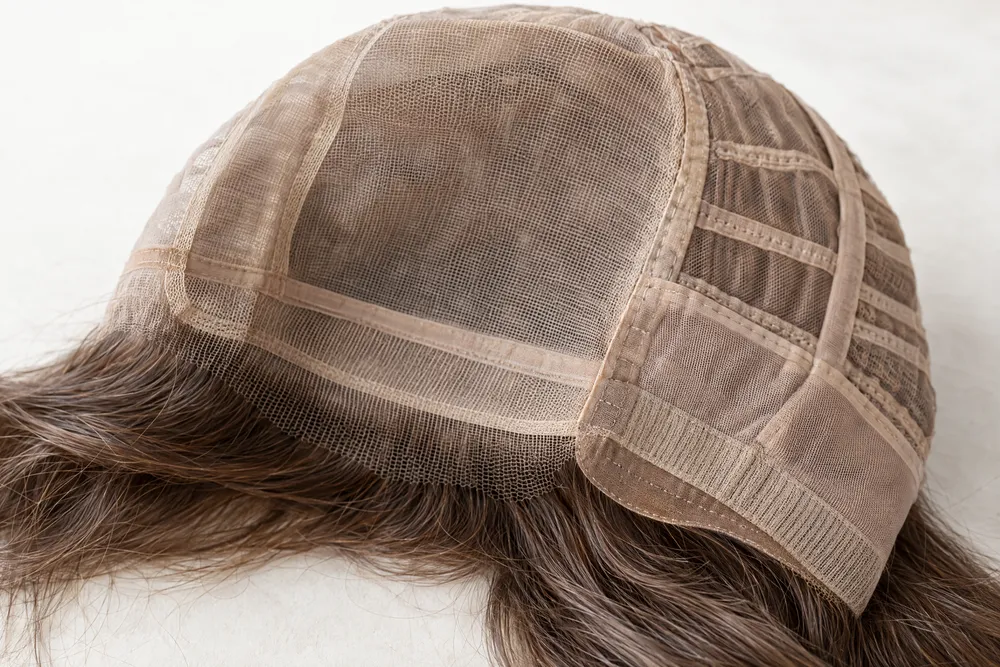
Natural hair, a partial hairpiece and a full wig may create similar-looking buns but have different places where fastenings can rest. The first practical question is not how much volume you can see, but what supports it.
Map the piece before adding a veil
With natural hair, discuss the length, density and gathered section that might support the accessory. Fine strands or short layers may change the proposal. Check that making a firmer-looking anchor has not simply increased tension at the hairline.
With a topper, identify the base edge and its existing clips before discussing another comb. With a full wig, identify the cap construction, fit and intended securing method. Do not assume lace, a decorative parting area or an existing clip is an approved landing place for a veil. Ask the supplier or person assessing the piece to identify what can be used.
OWNSTRAND's straight wig updo questions help separate visible hairstyle choices from cap questions. If an updo reveals an edge that was hidden when the hair was down, changing the outline may be more sensible than trying to conceal it with a heavier decoration.
Bring the material label or care instructions. Cancer Research UK advises checking manufacturer information before exposing a synthetic wig to direct heat. A natural-hair trial method is therefore not an automatic instruction for a wig; heat and products need to suit the actual piece.
Test the actual veil attachment and accessory load
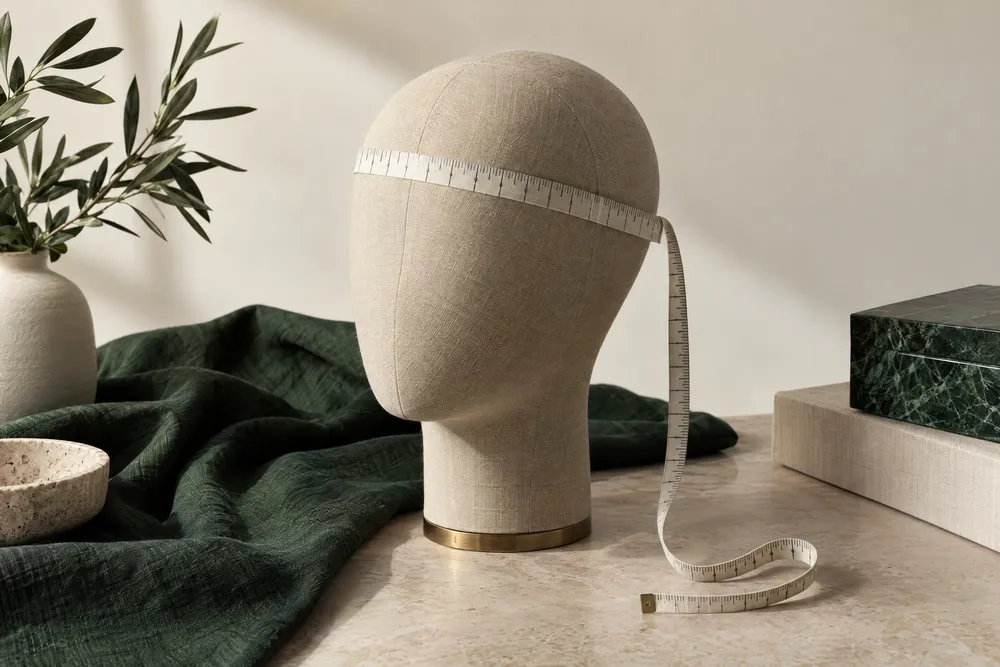
A photograph of the decorated front cannot show the comb teeth, clip hinge or band underneath. Bring the actual item, including anything you plan to remove after the ceremony, so the attachment can be discussed in context.
Add one item at a time and note what changes
Check the fitted hair or piece without decorations first. Then, if the assessor agrees the attachment is suitable, add the veil before combining it with a headpiece. This helps distinguish a base-fit problem from pressure introduced by the accessory. There is no universal accessory weight that makes every natural-hair anchor or wig construction suitable.
A wide comb may occupy the same space as topper clips. A headband may meet wig ear tabs or glasses arms. Use the wig clips and combs guide to prepare fitting questions, not to choose extra fastenings by trial and error. More clips are not automatically a better answer.
Observe the long veil where it meets the shoulders and dress. If it catches when you turn, do not deliberately tug harder to prove the hold. Stop and ask whether placement, veil length or the accessory choice should change. The trial is an observation, not a stress test of the fabric or cap.
- Photograph the underside of each accessory and bring the actual veil, earrings and any glasses you will wear.
- Show the dress back and every collar that may touch the hairstyle during an outfit change.
- Record the starting fit, then note any new pressure, movement or edge exposure after each agreed addition.
- Ask which attachment remains untouched when the veil comes off, and who can remove it.
Check makeup access without disturbing the hairline
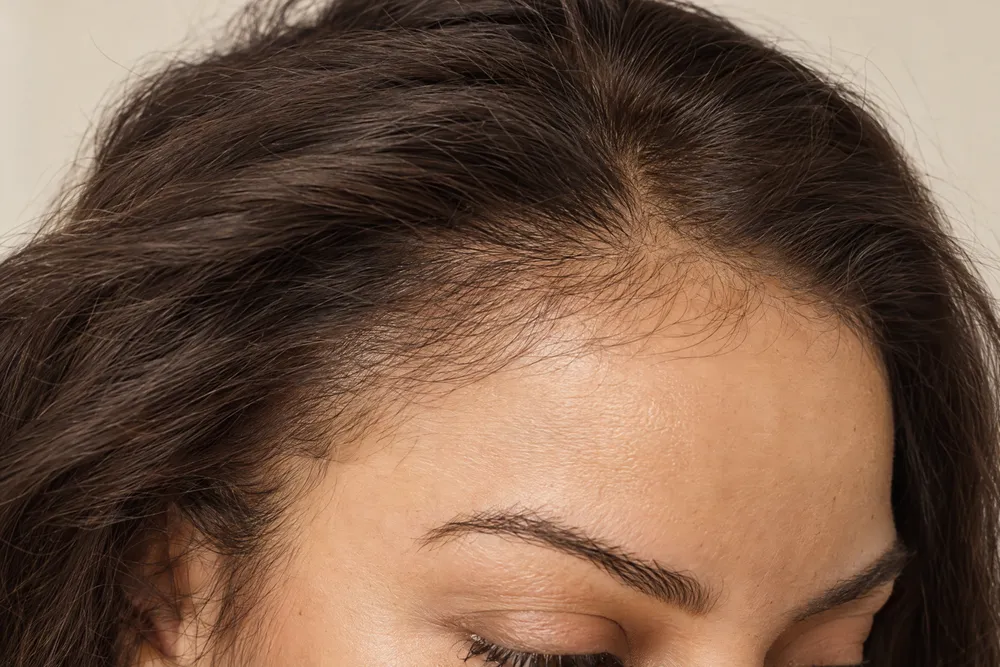
The trial should reveal whether the getting-ready sequence leaves room to work around the forehead, temples and ears. This matters particularly when face-framing hair sits close to a wig edge or a partial piece blends into natural hair.
Agree the sequence before moving a finished piece
Ask the hair and makeup providers how they want to divide the steps. Can makeup be completed without lifting a secured edge? Can the fringe be moved temporarily without changing its final position? Do not assume one provider is responsible for both services, or that makeup remover is suitable for the wig base or its attachment.
Try the agreed face framing while looking down and turning towards a mirror. Check whether strands sweep across freshly finished cheeks or obstruct the eyes. An attractive tendril that needs constant repositioning may not suit your preference for leaving the hair alone.
For appearance comparisons, the low-contrast makeup check offers a separate way to examine the hairline beside your makeup. At the bridal trial, also check the physical access: a visually convincing edge is not permission to put products on its base or move it after fastening.
Rehearse sitting, greeting and changing outfits
Standing in front of the mirror tests only a small part of the day. Recreate ordinary movements within the agreed appointment, without pulling the veil or asking anyone to provoke a failure.
Compare comfort before and after movement
Sit in a chair, turn your head and look down as you might while greeting relatives. Notice whether a low bun meets the chair back, a comb becomes noticeable or hair catches at an earring. In Hong Kong, a ceremony, transport journey and banquet can involve different seating and outfits; show the sequence you actually expect.
For a wig, keep the starting fit in mind and observe whether the front, sides or nape have changed. For a topper, check whether the intended blend remains visible without having to pull the surrounding natural hair tighter. Sustained comfort deserves its own discussion, as outlined in wearing a wig all day. A short trial cannot guarantee unchanged hold through an entire wedding.
The American Academy of Dermatology advises changing a hairstyle immediately if tight pulling causes pain or scalp stinging. Its hair-loss warning concerns repeated traction over time, not a prediction about one wedding. For this decision, discomfort is enough reason to stop and revise the arrangement rather than accepting pain as evidence of secure hold.
Practise removal while you can still ask for help
Removing the veil for the banquet and taking everything off at bedtime are different tasks. Test them separately so an apparently convenient ceremony attachment does not create an unclear end-of-day routine.
Keep the veil release separate from the piece release
Ask the person who fitted the accessories to demonstrate the agreed removal. They should explain which pins belong to the decoration and which maintain the hairstyle or secure the piece. If a trusted helper will remove the veil later, ask whether that person can attend the demonstration or receive clear notes.
A removable piece should follow its own supplier's release instructions. If adhesive is involved, confirm the compatible release method before the day; do not improvise with a makeup product or pull at lace to save time. If nobody can explain the removal process for your construction, the trial leaves an important question unresolved.
Plan where the piece will go afterwards. The guide to how to store a wig helps with that next step. Prepare a suitable support and keep accessories separate, avoiding pins left inside the cap or a headpiece packed on top.
- Identify the first item to remove and the part of the hairstyle that must stay supported.
- Have the agreed helper repeat the instructions back before relying on them at the venue.
- Keep supplier-approved removal materials accessible if the chosen attachment requires them.
- Stop if the release catches, hurts or lifts the base unexpectedly; ask for correction rather than pulling harder.
Give each result a pass, revise or enquire-again decision
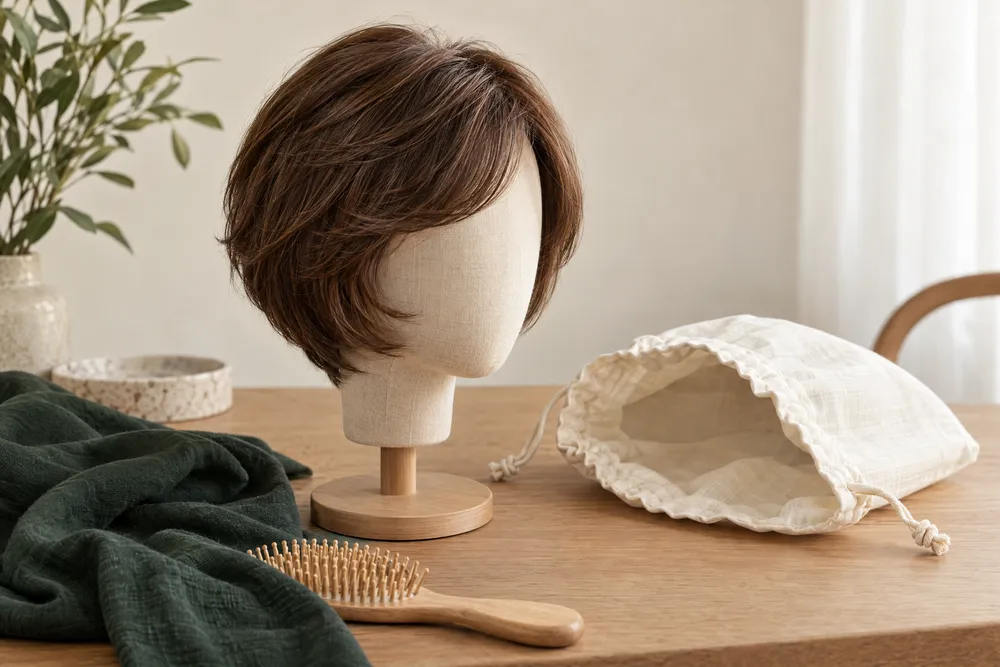
A useful trial ends with a small number of decisions you can repeat. Judge construction, comfort and removal before ranking photographs, because those constraints determine which appearance choices remain practical.
Record the condition, not just the preferred picture
Pass means the agreed combination was demonstrated under the conditions you observed, with comfortable fit and understood removal. Revise means a known change is needed, such as moving face-framing hair or choosing a less bulky accessory, followed by another check. Enquire again means the construction, product compatibility or provider's scope remains unknown.
Consider a hypothetical bride wearing a topper who likes a low gathered shape. The outline may pass, but if the veil comb meets the topper clips, attachment remains unresolved. If a different approved placement is comfortable yet a heavy headpiece adds pressure, the headpiece needs revision. These are separate decisions, not one overall verdict that the hairstyle works.
Save photographs alongside accessory positions, helper instructions and remaining questions. If you replace the veil, change the piece or alter the outfit sequence, reopen the relevant test. A pass belongs to the combination you tried, not every possible wedding-day variation.
| Test | Pass | Revise or enquire again |
|---|---|---|
| Support and attachment | The actual base and agreed attachment are identified and demonstrated. | Enquire again if nobody can confirm a suitable attachment area. |
| Comfort with accessories | No new pressure or painful pulling during agreed ordinary movements. | Revise the accessory or placement if it introduces discomfort. |
| Makeup access | The agreed sequence leaves access without lifting a secured edge. | Revise the sequence; enquire again about product compatibility. |
| Veil and final removal | The intended helper understands the demonstrated release steps. | Enquire again if release instructions are unclear or materials are missing. |
Ask OWNSTRAND about selection and fitting
Tell us the style you have in mind. We can discuss the options, quotation and arrangements before you decide.
Ask OWNSTRAND about selection and fittingBefore you choose
Can I attend a trial before buying the final veil?
You can discuss the outline if that appointment is agreed, but a substitute cannot confirm the final veil's comb, weight or removal. Mark attachment as provisional and ask whether a further check with the actual item is possible.
Should I wash my natural hair and wig in the same way beforehand?
No universal preparation rule covers both. Request instructions for your natural hair and follow the piece's supplier guidance separately. Identify the fibre and base before agreeing to products or hot tools; do not copy natural-hair preparation onto an unknown wig.
Does a comfortable trial mean I can remove everything alone?
Not necessarily. Comfortable wear does not establish easy release. Ask for a demonstration of veil removal and final piece removal, identify any helper you need, and keep the confirmed instructions available rather than attempting an unfamiliar release when tired.
Further reading
- Hairstyles that pull can lead to hair loss — American Academy of DermatologySupports responding immediately to painful pulling or scalp stinging and distinguishes repeated traction risk from a hairstyle's appearance; does not certify accessory attachment.
- Wigs, hats and scarves — Cancer Research UKSupports checking manufacturer information before heat exposure on synthetic wigs and following supplier wearing and care instructions. Its cancer-care context is not a bridal service promise.