
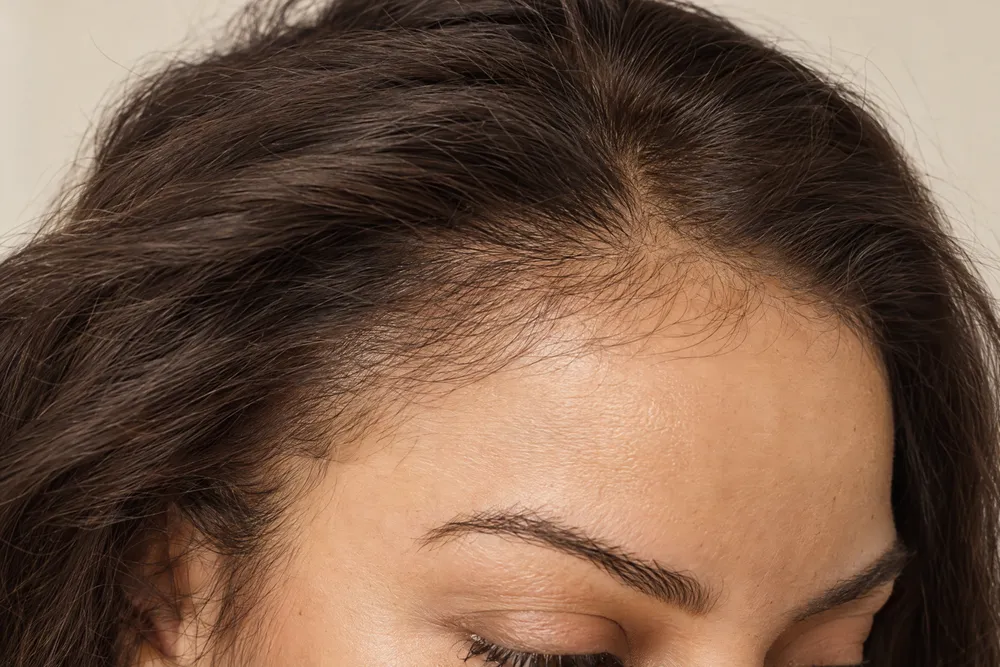
Draw the coverage boundary with your full wig on
The first useful division is exposed versus covered, not grey versus dark. Put the wig on in its usual comfortable position before deciding which natural hair forms part of your visible hairstyle.
Mark each temple and the nape separately
Check the left temple, right temple and back neckline as three separate zones. One side may show when you tuck hair behind an ear while the other remains covered. At the nape, distinguish natural hair below the cap from wig fibres lying over your collar. Label the material before labelling its colour.
Use the liner and natural-hair arrangement you normally wear. Changing that arrangement just for the photographs can create a misleading boundary. The guide to wig caps and liners helps you keep the accessory question separate from the shade question.
Check ordinary movement, not a deliberately lifted edge
Look forward, turn your head and sit normally, wearing your usual glasses. Photograph the back without pulling up the cap. Record occasional glimpses separately from continuously visible natural hair; they may not deserve the same priority.
- Photograph both temples and the nape with the usual wig position and accessories.
- Label each zone: natural hair visible, wig fibres visible, or natural hair fully covered.
- Note whether exposure is constant, occasional during normal movement, or only visible with the wig removed.
Identify whether the visible contrast is really regrowth
Silver near an ear, a dark band and a mismatched wig edge can look similar in a quick photograph. They raise different questions once you identify which hair is natural and whether it was previously coloured.
Separate new roots from an existing colour band
Regrowth is the new natural portion near the scalp. An older coloured strip is not necessarily new growth. Give approximate colour dates and identify the boundary. If your natural hair has never been coloured, say so rather than calling every exposed strand a retouch.
A wig's deliberately darker root effect is also not living regrowth. When comparing natural hairline wigs, focus on the visible edge and colour arrangement of the piece. Do not use the wig's dark root pattern as a measurement of your natural hair.
Compare the boundary in consistent light
Take daylight and ordinary indoor views without beauty filters, keeping the wig in place. Record differences seen only beneath a warm lamp rather than assuming a permanent mismatch. The guide to wig colour matching helps you discuss samples instead of trusting screen colour alone.
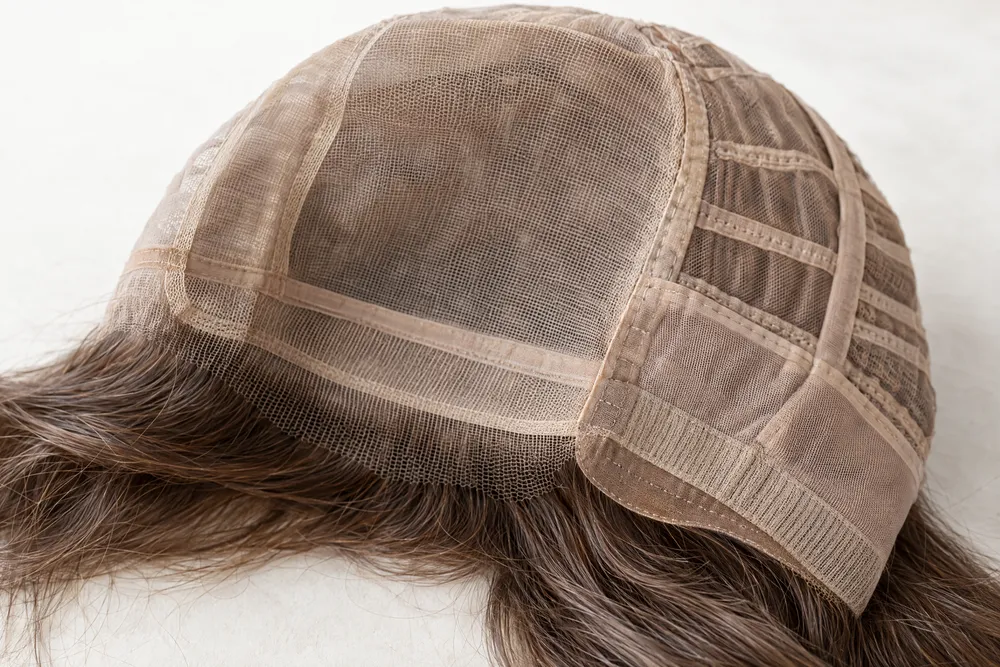
Keep no colour change on the shortlist
Leaving natural hair unchanged is a complete option, not a failure to maintain your appearance. A full wig may already provide the coverage you want while your exposed edges remain acceptable to you.
Judge contrast at normal conversation distance
A magnified temple photograph can make a few pale strands seem more important than they feel in daily life. Compare that close-up with a normal portrait. Decide whether you dislike the colour itself, notice it only while inspecting, or simply assumed visible silver ought to be hidden. You can prefer a natural mixed edge.
In a hypothetical example, a wearer likes silver temples beside a dark wig while their crown regrowth stays covered. No natural-hair colour change may be their preferred option; they can reconsider if the visible boundary changes.
Resolve a fit concern before making it a colour concern
If natural hair appears because the wig moves unexpectedly, tinting does not address the movement. Note the fit issue separately. For an OWNSTRAND custom order, custom wig fit and adjustment explains the completion-fitting context. Ask about your particular piece rather than pushing the cap farther down solely to hide colour.
Ask whether limited natural-root work is appropriate
If exposed natural new growth is the specific concern, Vit So's root touch up page explains the natural-hair service boundary. Use it to prepare an enquiry; it does not confirm a temples-only or nape-only appointment.
Name both the requested area and the area to preserve
Describe the left temple, right temple or natural nape hair that you want assessed. Then say that covered growth and existing lengths are not part of your requested change. The stylist needs to judge whether that boundary is practical for your hair, existing colour and desired finish; your map is a brief, not an application instruction.
A hypothetical wearer dislikes exposed white roots at one temple but likes their natural nape. Start with that concern rather than asking every hidden root to match. A wider proposal should explain which additional issue it addresses.
Keep the wig outside the chemical scope
These questions concern hair growing from your scalp. They do not authorise applying natural-hair dye to the piece. Even a human-hair wig has its own material and processing history. Read can you dye a human hair wig if changing the piece itself is your goal, then seek advice specific to it. A natural-root service is not confirmation of wig recolouring.
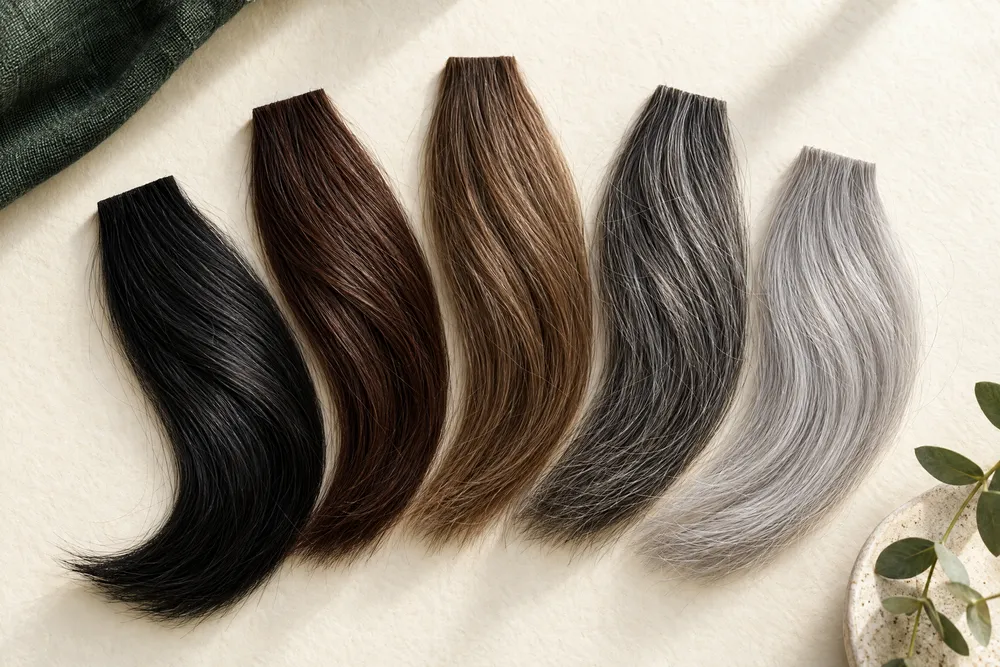
Choose a full-head change only for a wider personal goal
The comparison in root touch up vs full head colour concerns roots and lengths of natural hair. For a full-wig wearer, add a prior question: do you want those covered lengths changed for life without the wig?
Separate everyday coverage from your wig-off preference
You may wear a wig for work but prefer a different natural-hair colour at home or on days without it. That is a genuine reason for a wider enquiry. It is different from colouring the covered crown because two small temple edges do not match. State which appearance matters to you in each situation.
A hypothetical wearer wants a new natural-hair shade for regular outings without the wig. Their wider enquiry has an independent purpose. Someone who only dislikes a nape boundary should not automatically inherit the same scope.
Describe what wider work would change
Full-head colour is a broader natural-hair request, not a requirement that every strand receive identical treatment. Previous colour, lighter pieces and untouched growth need assessment. Explain any lengths or white streaks you want retained. If a broader stage is suggested, ask how it serves your goal rather than assuming a uniform shade is always preferable.
Turn the visibility map into a quotation question
When checking a root touch up price, compare the published entry with the assessed work. The menu does not establish a special charge for exposed temples or nape, and a smaller visible area does not prove a proportional saving.
Compare descriptions of work before comparing totals
Ask which natural-hair areas the quote includes and whether existing lengths remain untouched. Clarify any separate tonal stage, washing, finishing or haircut you want. A root entry, a wider tint and an additional tone adjustment are not interchangeable descriptions, even when their purpose is to make one boundary look more coherent.
Do not estimate cost by counting centimetres of exposed hair. Your visible map and the actual processing scope may differ, and the salon must confirm the applicable quotation. If limited work is unavailable, you can still choose no colour change instead of agreeing to a broader service you do not want.
Send a brief that makes additions explicit
Pair photographs with a sentence: “I wear a full wig and want to discuss this exposed natural temple hair while leaving covered hair unchanged.” Add a wig-off view and colour history so assessment is not limited to a narrow crop.
- State the visible zone and desired change, plus natural hair you want left unchanged.
- Ask whether the limited scope is suitable and available, and which menu entry applies.
- Confirm any separate stages, inclusions, total quote and appointment arrangements before agreeing.
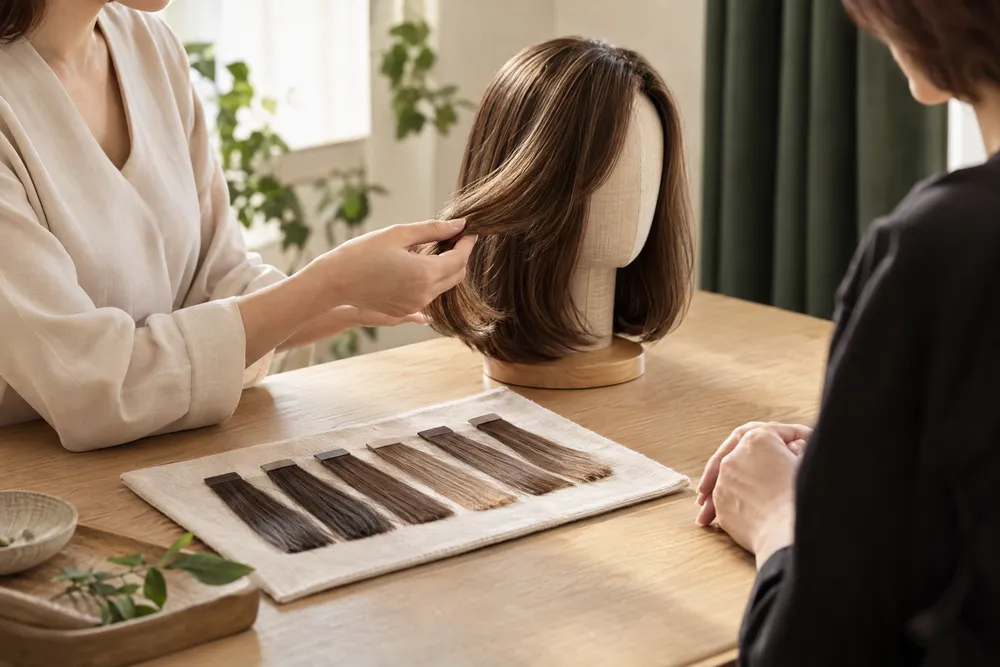
Check safety requirements before confirming natural-hair colour
A narrow cosmetic goal still involves the actual dye product and your skin. Safety preparation belongs before confirmation, not after choosing an appointment around the assumption that only a few roots need work.
Small areas do not remove product checks
The FDA's Hair Dyes guidance advises following product instructions and skin testing before every use. Sensitivity can develop despite previous use without problems, and a negative test does not guarantee no reaction. Ask what checks are required for the proposed product and when they must happen.
The FDA also advises against dyeing an irritated, sunburned or damaged scalp. Report symptoms and past chemical treatments rather than treating a small temple area as an exemption. Do not use cosmetic colour to address soreness beneath a cap.
Keep reaction history separate from shade inspiration
The NHS hair dye reactions guidance describes burning, itchy rash and blisters among possible reactions; symptoms can take up to 72 hours to appear. Tell the stylist about past reactions and seek healthcare advice where needed. Photographs of old product packaging can help describe what was used without guessing an ingredient.
After an agreed service, keep a normal-light photograph and request applicable care instructions. Reconsider colour when exposure or preference changes, not merely because hidden regrowth exists.
| Option | When it fits your goal | Question before proceeding |
|---|---|---|
| No colour change | Visible natural edges are acceptable, or the concern is covered growth only | Would fit or positioning advice address the actual concern instead? |
| Limited natural-root enquiry | Specific exposed new growth bothers you; covered hair and lengths are not a requested change | Is this limited scope suitable and available, and what does its quote include? |
| Full-head natural-hair enquiry | You independently want a wider change, including your appearance without the wig | Which roots and lengths would change, and which features can remain? |
Ask OWNSTRAND about selection and fitting
Tell us the style you have in mind. We can discuss the options, quotation and arrangements before you decide.
Ask OWNSTRAND about selection and fittingBefore you choose
Must my natural temples match the wig exactly?
No. Decide whether the contrast suits you in normal light and at conversation distance. A natural mixed edge can be a preference; exact matching is not a requirement of wearing a full wig.
What if I cannot tell whether the nape hair belongs to me or the wig?
Do not include it in a dye request until it is identified. Compare the area with the wig on and removed, or ask for help during a fitting discussion. Label uncertainty rather than assuming all hair near the cap edge is natural regrowth.
Should I change the plan when switching between two full wigs?
Map each wig in its usual position. Different edges may reveal different natural zones, and matching one shade may not suit the other. Explain both pieces and which you wear most before considering natural-hair colour; leaving the natural hair unchanged remains an option.
Further reading
- Hair Dyes — U.S. Food and Drug AdministrationSupports product-instruction compliance, skin testing before each use, possible reactions despite a negative test and avoiding dye on irritated, sunburned or damaged scalp.
- Hair dye reactions — NHSSupports recognising possible dye-reaction symptoms, their potential delay and seeking appropriate healthcare advice rather than cosmetic treatment.