
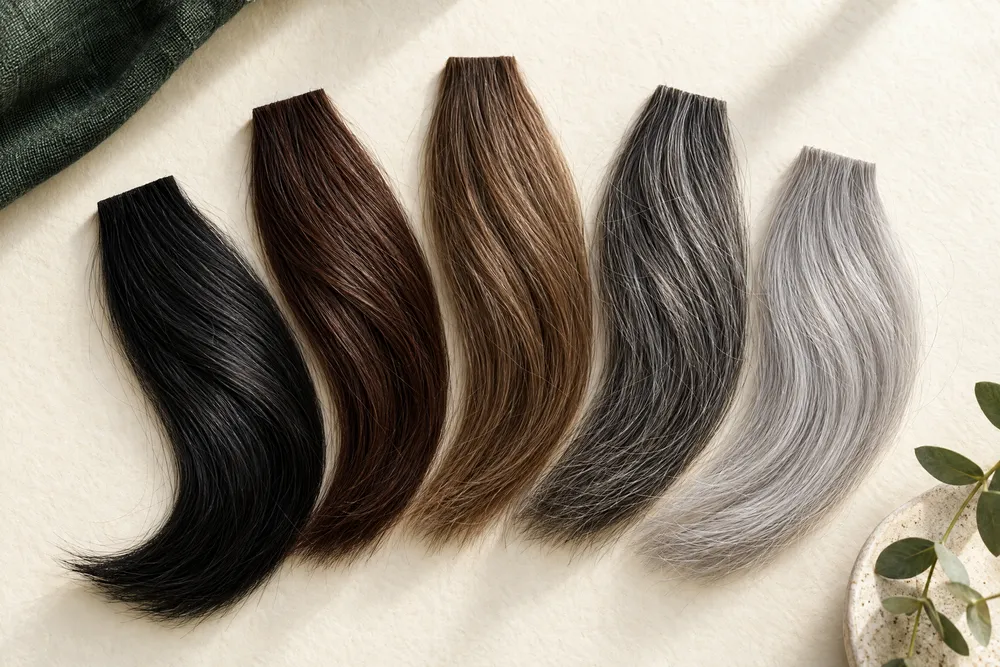
Start with the appearance you can afford to keep
Before asking for a total, define what counts as an acceptable result after the fresh finish has changed. That determines which later work belongs in your budget.
Write a minimum version and a preferred version
Your minimum might be brown hair with lighter ribbons and visible regrowth; your preferred version might keep a muted tone and brightness near the parting. They are different upkeep briefs despite similar first-day photographs.
For a wig, ask whether the existing shade and cut already work or whether you expect fitting adjustments or another colour choice later. Keep optional changes outside the essential column.
Choose one period and keep uncertain entries open
Use the same planning period for both routes, perhaps ending at a known event. This is your comparison window, not a service interval. Record spending during it and what you would still own at its end.
Maintain three separate lists: initial work, later appointments or purchases, and everyday care. An unknown maintenance charge remains an enquiry, not zero. An unknown wig replacement date remains unknown; it should not become an invented annual allowance.
Price full-head highlights by coverage, not brightness alone
For natural hair, full head highlights describes considering strand placement across the head. It does not mean every strand becomes light, nor does it specify the exact density or finish.
Show the areas your usual hairstyle exposes
Show your parting, sides, back and a tied-back view, explaining how much darkness to retain. Widely distributed sparse highlights and dense top-only brightness are different requests.
Existing dark dye, lightened ends and untouched roots describe different starting conditions. Share the history still present in the lengths, including home products; an inspiration photograph cannot replace assessment.
Keep the initial quote separate from future visits
When checking full head highlights cost, ask which published option applies to the assessed coverage. Vit So lists separate options; they are not an explanation of every possible design. Confirm toning, washing, finishing and cutting rather than borrowing inclusions from a different package.
Ask what a later visit could address. Refreshing grown-out areas, adjusting existing strands' tone and changing placement are different jobs. Price the proposed scope rather than repeating the initial service whenever the colour looks different.
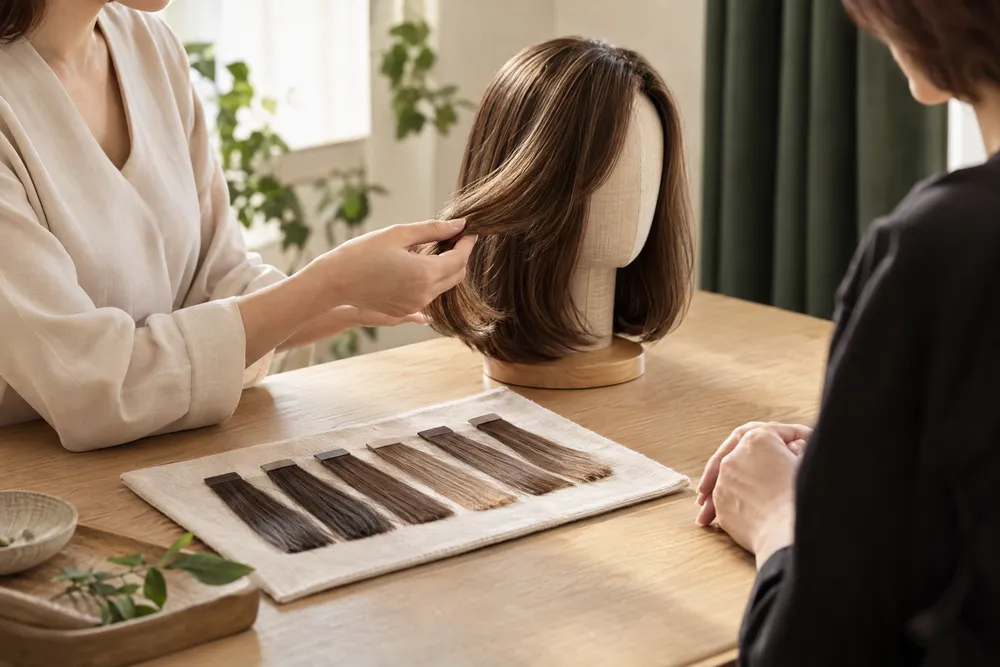
Give balayage its own quotation and upkeep questions
A dark-to-light transition needs a separate comparison. Treating it as another name for the same full-head highlight job hides differences in placement and listed inclusions.
Distinguish the standalone service from a combination
For balayage cost, compare the actual service list. Vit So's standalone Balayage/Ombré entry states one bleaching session. The women's combination also lists wash, cut and blow-dry, one toner and pre-service hair protection. Additional lightening or unlisted work needs its own quotation.
This does not establish a discount or guarantee that one session can reach your reference. Ask whether changing the darker base is also proposed. Check any applicable length surcharge and keep future tone maintenance outside the initial package unless explicitly included.
Separate root growth from a change in tone
A darker root may be deliberate. If you remain comfortable with it, growth alone need not define your next request. Wanting a cool finish may instead prompt a tone discussion while you still like the placement.
Ask what changes to photograph before seeking advice: root depth, where brightness begins, end tone or roughness. Lower-maintenance appearance is a preference to discuss, not a guaranteed return schedule or automatic financial advantage.
Compare a pre-coloured wig as an item you will wear
A pre-coloured wig lets you assess an existing colour distribution without first creating it on your own hair. That changes the initial decision, but it does not make care or suitability irrelevant.
Inspect the existing colour rather than plan to alter it
Use highlighted wigs to compare the spacing of lighter areas and the depth left between them. A colour label is only a starting point. Ask about the specific piece or catalogue option, its material and whether the shade is available before treating it as your purchase plan.
If a darker upper area appeals, rooted wigs offers a useful comparison. Rooted colour is part of the wig's design; the wig does not grow new roots. However, visible natural hair beside it can grow or change colour, so a topper creates a different matching task from full coverage.
Include fitting and the actual wearing pattern
Confirm purchase inclusions and the suitability of any fit or cut adjustment. A service included in one custom order does not automatically apply to every catalogue wig.
Occasional and everyday wear create different demands. Note drying arrangements and storage space. Another wearable option during care is a choice to price, not a universal requirement or evidence of savings.

Build a care allowance from the material and your habits
Natural-hair colour maintenance and wig care should occupy different lines. Neither a human-hair description nor a heat-friendly label authorises every product, tool or chemical process.
Budget only for care the specific wig needs
Review human hair vs synthetic wig care before buying supplies. Confirm the material, approved cleanser, conditioning instructions and heat limits with the supplier. A blend needs its own directions rather than a compromise invented from two separate routines.
Human-hair wigs have a base and attachment structure; ordinary dye, bleach or scalp treatments are not automatically suitable. Synthetic fibres are not growing hair, and heat tolerance is not chemical colour tolerance. These natural-hair quotations do not establish that Vit So can alter your wig.
Count products, handling time and drying space
The guide to how to wash a wig helps organise questions about washing without imposing a fixed calendar. Use the piece's instructions and your wearing conditions to plan, rather than assuming everyone needs the same frequency.
List suitable supplies you have, those you need and paid care you intend to enquire about. Keep home-care time beside money without inventing an hourly rate. An impractical routine may outweigh an apparent purchase-price advantage.
- Confirm the exact material and care directions before selecting products.
- Separate one-off tools or storage items from consumables you may replenish.
- Ask whether paid care is available for the particular piece and what it includes; do not presume a service or fee.
- Record washing, drying and styling effort honestly alongside the money budget.
Keep haircuts and exposed natural hair in the calculation
Colour is only one part of keeping the outline wearable. Haircuts can change how much lightened length remains, while a partial piece leaves other hair visible.
Price the cut you still intend to have
Explain the length you plan to remove before deciding where lightened ends should sit. Keep haircut spending separate unless the agreed initial combination includes it. Later trims are not automatically covered.
A full wig does not oblige you to stop cutting the natural hair underneath. Conversely, a wig cut is not growth maintenance: removed length does not grow back. Confirm suitability before authorising an irreversible adjustment.
Use a hypothetical topper example to expose hidden work
Imagine someone choosing a lighter topper while retaining darker sides and a fringe. This is a hypothetical decision, not a customer account. Their comparison includes the topper and its care, but may also include chosen cuts or colour work on the exposed natural hair.
Start with wig colour matching and inspect the join in ordinary light. Choosing a closer existing shade may remove a desired blending step from the plan; it does not prove a saving until the actual alternative work has been quoted.
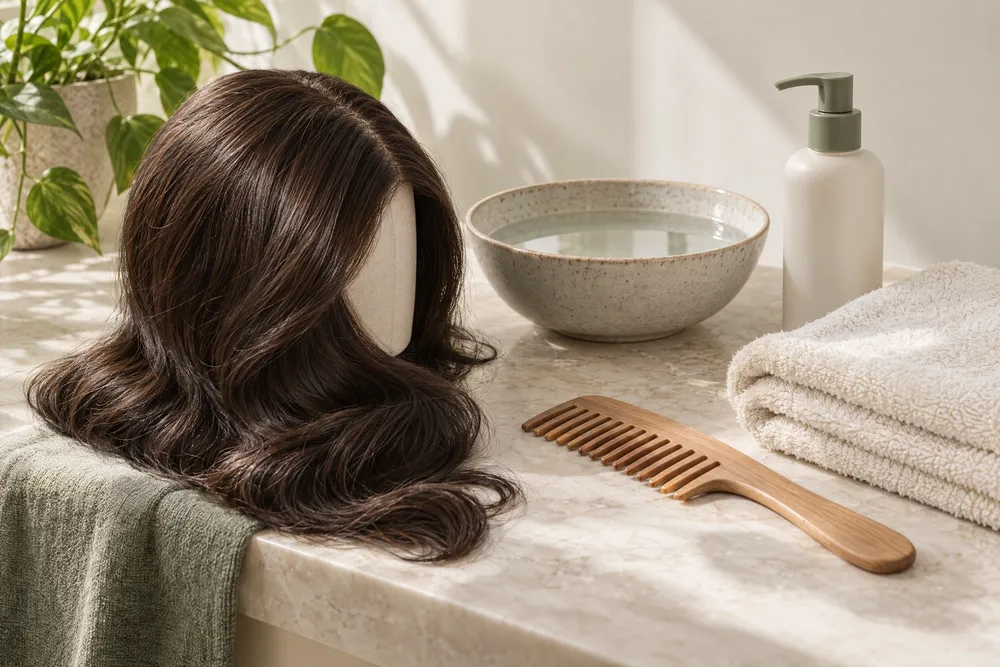
Turn the comparison into two clear enquiries
Aim for enough confirmed information to choose an affordable, manageable appearance without accepting an unsuitable process.
Let hair condition influence the scope
The American Academy of Dermatology notes that colour treatments can leave natural hair dry and brittle, and recommends sun protection for dyed or bleached hair. Describe breakage before requesting more brightness; protection is not a damage-free guarantee.
The NHS advises following dye instructions and not continuing after a reaction to a test. Tell the provider about previous reactions and seek clinical advice where needed. A limited budget is not a reason to skip preparation or assume that an alternative product is safe.
Ask the right location about the right work
If your natural-hair enquiry concerns balayage sheung wan, use the service explanation to describe your transition and ask about assessed scope, timing and a current quotation. Vit So is at 252 Hollywood Road, Sheung Wan, with enquiries at +852 5305 7561. The reference does not confirm availability or a booking.
Contact OWNSTRAND in Kwun Tong on +852 5933 4697 about the specific wig shade, material, fitting and care. Keep the enquiries separate, compare responses over the same period and mark unresolved charges before committing.
- Send current root, length and end photos plus your colour history for natural-hair assessment.
- Identify the preferred wig shade and material, and ask which purchase and fitting details apply.
- Request an itemised initial scope and distinguish later tone, placement, haircut and care questions.
- Compare confirmed amounts over your chosen period; keep uncertain visits and replacements unpriced.
- Choose the route whose essential routine you can afford and follow, not merely the lower opening figure.
| Budget line | Natural-hair colour route | Pre-coloured wig route |
|---|---|---|
| Initial appearance | Assessed colour scope and confirmed inclusions | Specific piece, shade and confirmed fitting inclusions |
| Later colour work | Tone, new growth or changed placement considered separately | No new wig roots; exposed natural hair may need its own plan |
| Haircuts | Initial included cut versus later intended trims | Suitable piece adjustment versus chosen cuts underneath |
| Care | Instructions for the actual processed hair | Material-specific supplies, handling and drying |
| Uncertain spending | Unquoted extras or future appointment counts stay open | Unconfirmed paid care, additional pieces or replacement dates stay open |
Ask OWNSTRAND about selection and fitting
Tell us the style you have in mind. We can discuss the options, quotation and arrangements before you decide.
Ask OWNSTRAND about selection and fittingBefore you choose
Can I spread the wig purchase across monthly amounts?
You can allocate a confirmed purchase cost across your comparison period for planning. It is not monthly cash spending, a payment offer or proof that the piece will last for that period.
Is a toner visit the same as redoing the highlights?
No. Adjusting existing lightened areas' tone and adding new lightness are different requests. Describe the change and obtain the relevant scope and quotation rather than assigning either automatically.
What if I can afford the initial colour but not uncertain upkeep?
Explain the ongoing limit before agreeing to a design. Discuss acceptable grow-out and optional later work. Compare an existing wig shade and its care too, without presuming it is cheaper.
Further reading
- Coloring and perming tips for healthier-looking hair — American Academy of DermatologySupports natural-hair dryness and brittleness concerns after cosmetic treatments and sun protection for dyed or bleached hair; does not establish wig care or maintenance prices.
- Hair dye reactions — NHSSupports following dye instructions, disclosure of previous reactions and not continuing after a reaction to a test; does not establish a salon's testing policy or guarantee a product is safe.