

Decide what you want to leave behind
Separate your reason for stopping extensions from the hairstyle you want next. This prevents a practical care problem from becoming a rushed purchase of a much denser wig.
Keep the look without keeping the attachment
You may want the same collarbone length but no longer want added hair attached to your own strands. Alternatively, a shorter outline might reduce the amount of hair you manage. Identify the length, parting and end thickness you want to retain. These preferences guide sample comparisons without requiring the wig to duplicate your extension setup.
Also name the task you want to stop: working around connections during washing, arranging maintenance visits, or planning tied styles around visible attachments. A full wig brings its own care and wearing routine. The useful comparison is between complete routines, rather than assuming that removing one set of fittings makes every later task disappear.
Do not confuse an exit plan with concealment
Here, leaving extensions behind means transitioning away from wearing them. It does not mean covering their connections with a full wig and tightening the cap until the shape looks smooth. Ask the wig fitter what information is needed while attachments remain, and which decisions should wait. A style discussion can begin before removal without treating that temporary hair arrangement as the final fitting basis.
Compare a short period of retention with removal first
If your natural strands are fine, the guide to hair extensions for fine hair helps distinguish strand thickness, overall density and the hair supporting each attachment. Those distinctions matter when deciding whether the current setup should remain while you explore wigs.
Give temporary retention a clear purpose
Keeping your extensions briefly might give you time to compare samples or arrange appointments. It is not a finding that continued wear is appropriate. Ask the professional responsible for the existing system whether it needs review now, and agree on a next step rather than repeatedly postponing removal. Do not extend wear simply because a wig has not yet arrived.
Fine hair is not automatically sparse hair, and a discreet connection is not proof of suitable support. Explain any slipping, repeated snagging or discomfort. No attachment method can be declared universally suitable for fine strands from its name or size alone.
Let discomfort change the timetable
The American Academy of Dermatology's extension guidance warns that repeated pulling can cause hair loss, potentially permanently. It says pain or a headache during fitting signals excessive tightness. Contact the fitting professional promptly about pulling or pain instead of using another layer to hide the problem; seek healthcare advice for persistent symptoms or concerning hair loss.
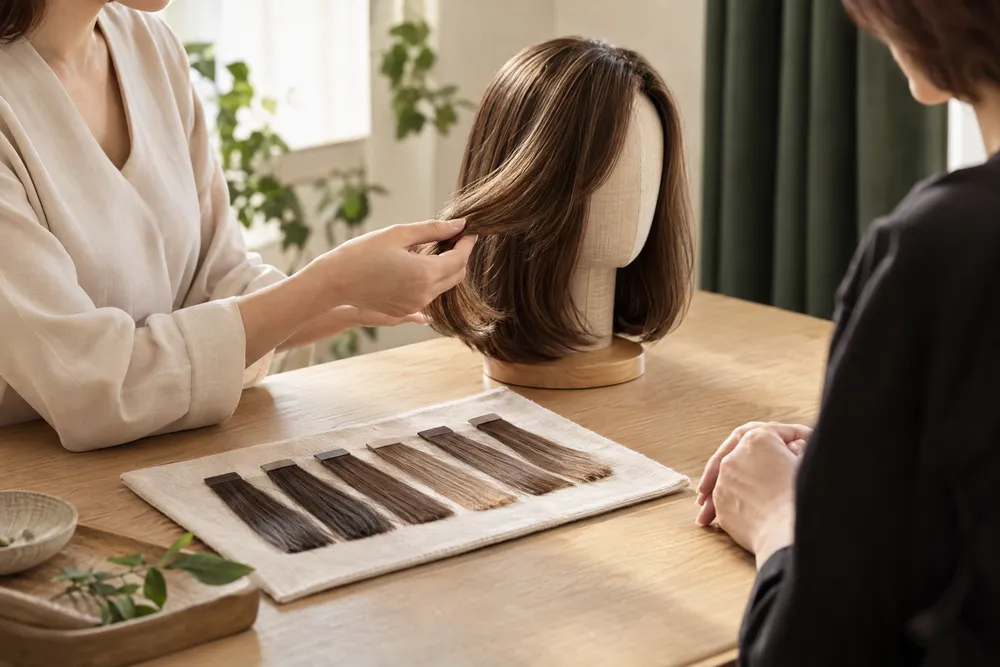
Confirm who can remove the existing system
Vit So's hair extensions service page asks people with existing work to share the attachment and fitting history before requesting removal. It does not establish acceptance of every system fitted elsewhere, so obtain confirmation before scheduling your next fitting around it.
Ask about acceptance before asking for a date
Contact the original fitting professional where possible. If you are approaching another provider, share the method name, fitting date and any instructions you received. If the method is unclear, say so rather than guessing from a marketing label. Ask whether an assessment is needed before removal can be accepted and quoted.
For a Vit So enquiry, the location is 252 Hollywood Road, Sheung Wan, Hong Kong, and the number is +852 5305 7561. Confirm the actual removal scope there. An OWNSTRAND wig discussion is a separate enquiry and does not book or guarantee that work.
Make the handover practical
Clarify whether the appointment covers removal only, what assessment or finishing is included, and who to contact if the plan changes. Explain that you are considering a full wig afterwards, not automatically requesting reattachment. Keep decisions about stored extension hair separate from decisions about your natural hair. This is an appointment-planning discussion, not a home adhesive-removal procedure.
- Send the fitting date, known attachment details and supplied care information.
- Describe any discomfort or tangling without forcing connections apart for a photograph.
- Ask who accepts responsibility for assessment and removal, and request the agreed scope and quote.
- Confirm the appointment before arranging travel or a dependent wig-fitting visit.
Reassess natural hair after removal, before adding another fitting
Removal reveals the hair arrangement the next fitting needs to accommodate. It also creates a checkpoint for concerns that were difficult to observe around connections.
Describe observations without diagnosing them
Notice where hair feels fragile, whether your usual parting looks different, and whether soreness remains. Compare like with like: ordinary dry hair in similar light, not an extension-enhanced salon photograph against freshly removed natural hair. You can record a change without deciding its cause yourself.
The British Association of Dermatologists' traction alopecia leaflet notes that soreness, itching or increased flaking may accompany traction-related hair loss. These signs do not establish a diagnosis. New thinning or persistent symptoms belong in a healthcare conversation, rather than being treated as a problem that a denser wig will solve.
Keep cutting decisions separate
You do not have to agree to a major natural-hair cut simply because extensions have been removed. Ask which hair is being discussed and why a trim is proposed. The later wig shape is another decision. If you want to retain natural length, state that clearly and ask the fitter how the retained hair can be accommodated without uncomfortable pulling.
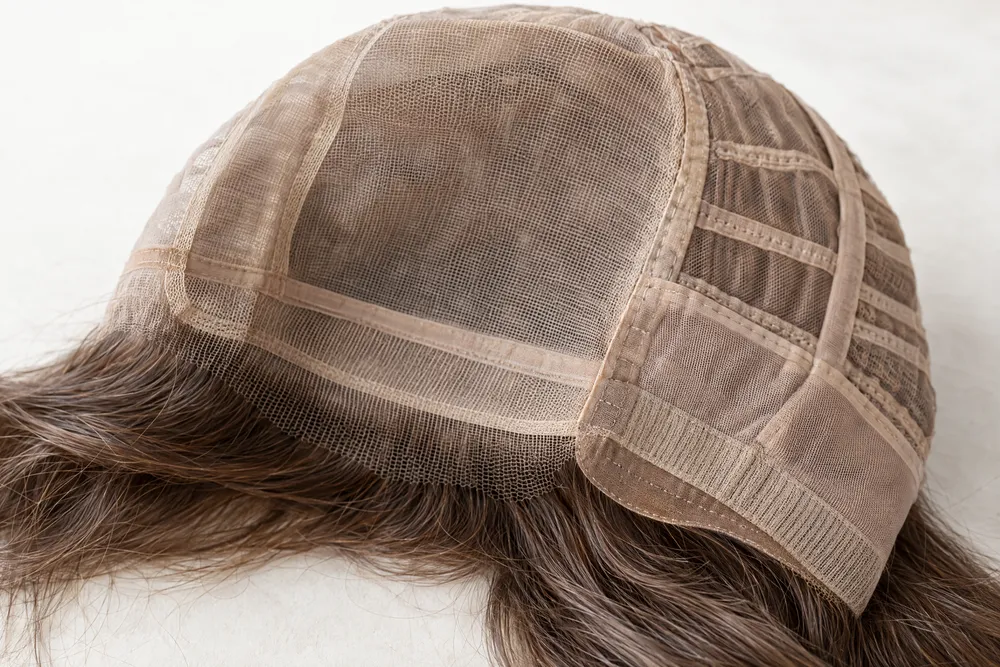
Establish the hair arrangement for measurement
Read about wig cap sizes before comparing fit descriptions, but discuss the actual measurement arrangement with the fitter. A record taken over your extension setup should not automatically become the final specification after removal.
Separate sample viewing from final measurement
You can use a custom wig consultation Hong Kong discussion to explore samples and describe the transition. Tell OWNSTRAND whether attachments remain and whether removal is confirmed. Ask which measurements or fit decisions need to be revisited when your hair arrangement changes, instead of assuming the first visit completes everything.
When final measurements are discussed, explain the natural length you intend to keep and any liner or other accessory being considered. The fitter needs to know the arrangement you expect to repeat at home. Do not choose a smaller cap as a way to flatten remaining attachment bulk.
Bring the items that share the same space
Wear your usual glasses if their arms sit beside the cap, and explain any work headwear. Ask how the temples and nape will be checked when you turn or look down. These practical details are easier to discuss before agreeing to a fit than after discovering that your daily accessories compete for space.
- Confirm whether removal and any post-removal review must happen before final measurement.
- State the natural-hair length you will retain and the intended wearing arrangement.
- Bring your usual glasses and identify any liner or headwear under consideration.
- Ask which fit details should be rechecked if that arrangement changes.
Build a timetable that allows decisions to change
Discuss custom vs ready-made wigs as a choice about the item and process, not as two guaranteed routes to the same delivery date.
Plan visits around confirmed dependencies
OWNSTRAND's confirmed in-store handmade human-hair custom process includes sample viewing, measurement, about three to five working days of production, and a return visit for fitting and wash, cut and blow-dry. That production period is not a promise for the whole transition. Removal availability, reassessment and completion visits still need arranging, and catalogue items have their own supply questions.
For custom wig fitting Hong Kong, ask when the completion visit can be confirmed and what happens if your natural-hair arrangement changes. Avoid making an important event the first time every part of the plan comes together.
Use a hypothetical delay to test your plan
Suppose your removal assessment takes place on Tuesday but the provider cannot confirm removal that day. A final measurement booked on the assumption of a cleared system may then be premature. This is a hypothetical planning example, not a customer story. Ask each provider which appointment can remain useful as a discussion and which should be moved if the preceding step is incomplete.

Compare the new routine and total scope before committing
Use the considerations for wearing a wig all day to assess your ordinary working day, not only a short mirror check.
Check what everyday wear involves
Ask for an explanation of putting on, taking off and caring for the actual wig being considered. Note whether the proposed arrangement relies on your natural hair for fastening and raise any areas already identified as fragile. A full wig is not automatically tension-free because it replaces extensions; the fit and fastening still matter.
Agree on a contact route for fit concerns. Describe where discomfort occurs and when it starts, rather than responding by repeatedly tightening the cap. Care products and heat instructions must match the actual wig material and construction, not be carried over uncritically from your extension routine.
Keep the quotes separate but compare them together
Record the extension provider's assessment and removal scope beside the wig's purchase, fitting and care scope. Ask which later visits or adjustments are included and which are separate. You are comparing the transition you can sustain, not just the cost of the new hair. Clear responsibilities help you stop the old routine without carrying its unresolved fitting questions into the next one.
| Current situation | Question that decides the sequence | Practical next step |
|---|---|---|
| Extensions remain during style comparisons | Has the current setup been reviewed? | Discuss samples; reserve final measurement decisions. |
| External removal is not confirmed | Will the provider accept the actual system? | Send fitting history; confirm assessment and removal scope. |
| Symptoms or density changes remain after removal | Is healthcare advice needed before further fitting? | Seek advice; do not treat coverage as treatment. |
| Removal and the intended hair arrangement are clear | Can the fitter assess your repeatable routine? | Confirm measurement, fastening and completion checks. |
Ask OWNSTRAND about selection and fitting
Tell us the style you have in mind. We can discuss the options, quotation and arrangements before you decide.
Ask OWNSTRAND about selection and fittingBefore you choose
Can I begin choosing a wig before my extensions are removed?
Yes, you can begin a style and process discussion. Disclose that attachments remain and ask which measurements or fit decisions must wait. Looking at samples does not confirm that wearing the chosen wig over the existing system is appropriate.
Must I wait a fixed number of days after removal before fitting?
There is no single waiting period established for your situation here. The next step depends on your natural-hair arrangement, comfort and any concern needing healthcare advice. Ask what must be reassessed rather than treating a calendar date as proof of readiness.
Will the wig provider also remove extensions fitted elsewhere?
Do not assume so. Removal acceptance and the specific system need separate confirmation with an appropriate professional. Tell OWNSTRAND your removal status when discussing the wig, and keep the two appointment scopes distinct.
Further reading
- How to prevent hair damage from a weave or extensions — American Academy of DermatologySupports the discussion of repeated pulling, potentially permanent hair loss, pain or headache as excessive tightness, and seeking dermatological advice for concerns.
- Traction alopecia — British Association of DermatologistsSupports symptom awareness and the distinction between cosmetic coverage and assessment of traction-related hair loss; it does not establish individual wig or extension suitability.