

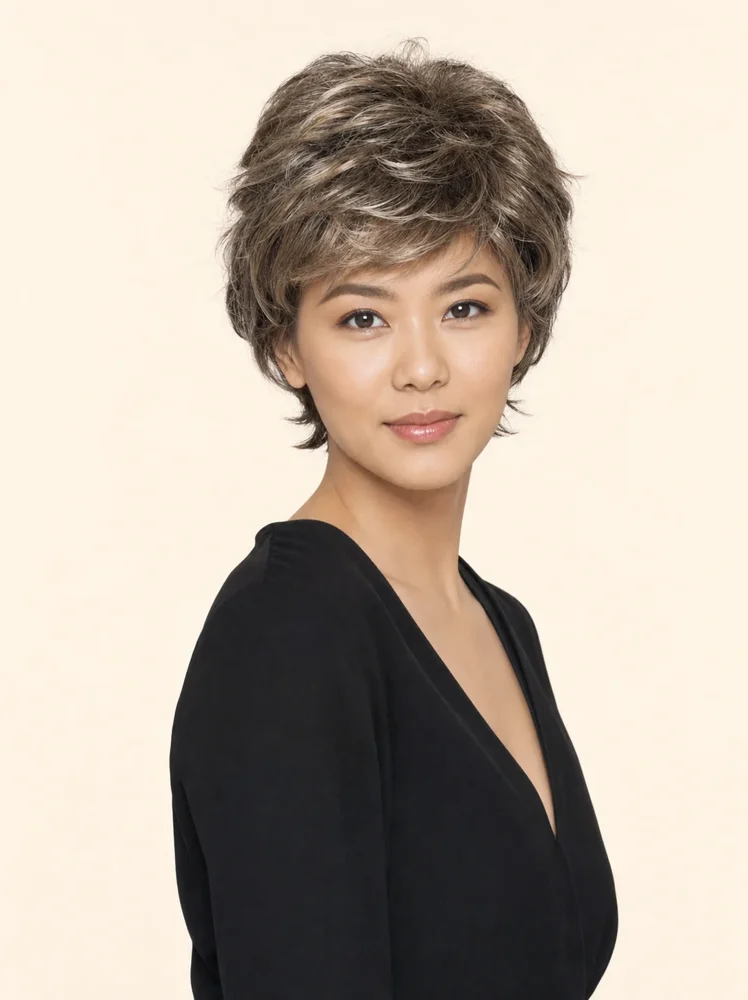

Choosing Alopecia Wigs for Cosmetic Coverage
Start with the coverage you want in ordinary situations: the whole scalp, a particular area, or a familiar outline that makes your hairstyle feel like you. A clear preference gives you a useful basis for comparing styles without treating a diagnosis as a style instruction.
What to Compare When Looking at Alopecia Wigs
First, compare coverage. A full wig covers the head, while a topper is intended to add coverage over a more limited area and is worn with existing hair. Neither is automatically the better choice: the size and location of the area, how much hair remains, and how you want to style it all matter. If you are considering a piece for a part that is becoming wider, hair topper for widening part offers a more focused comparison. For a topper, the base needs to cover the target area without making its edge difficult to blend; the guide to hair topper base size can help you think about that measurement.
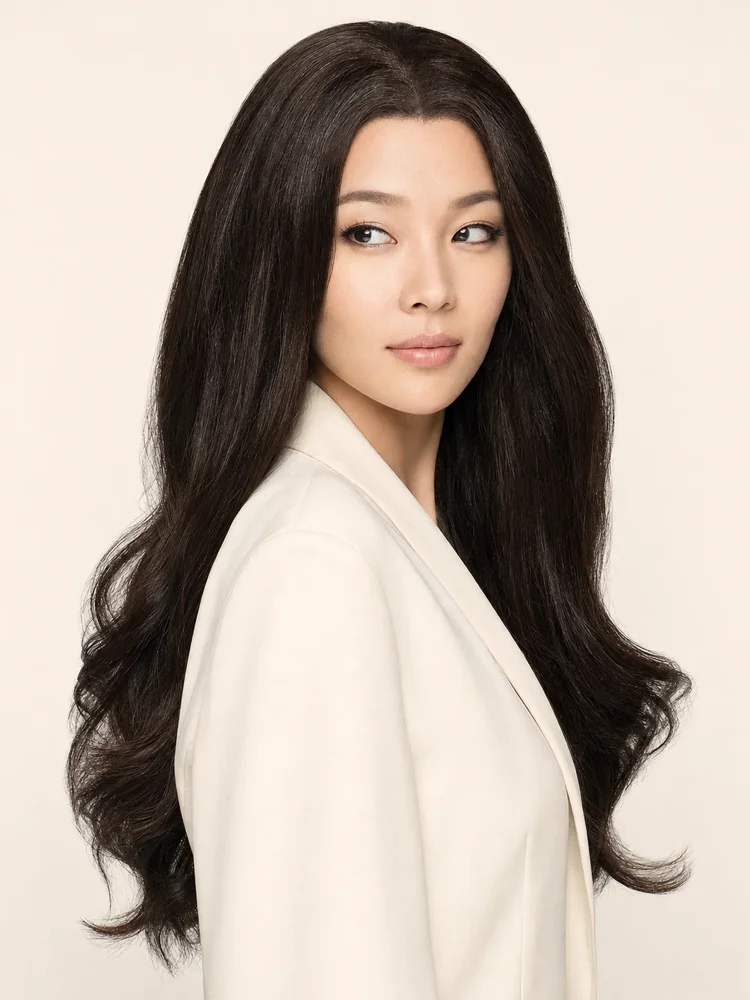
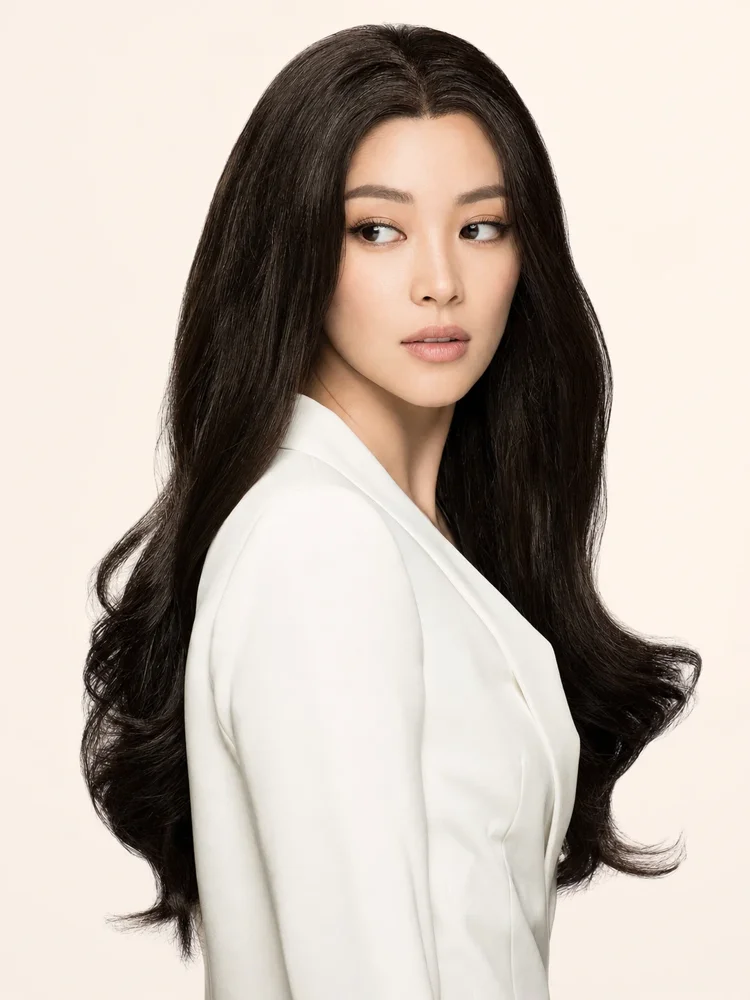
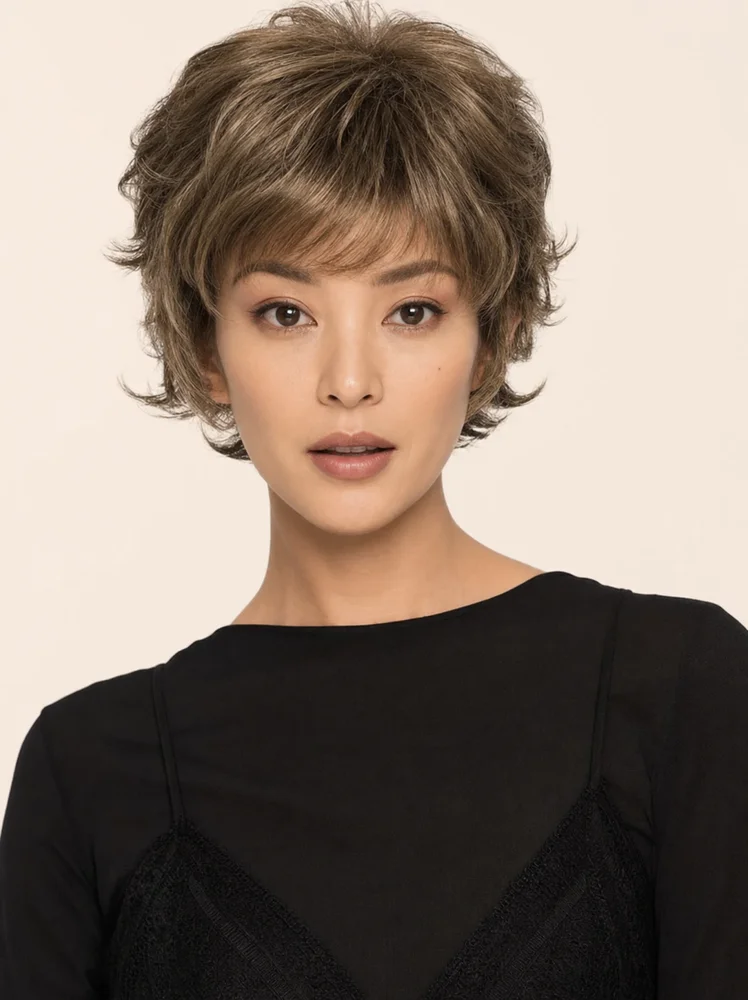
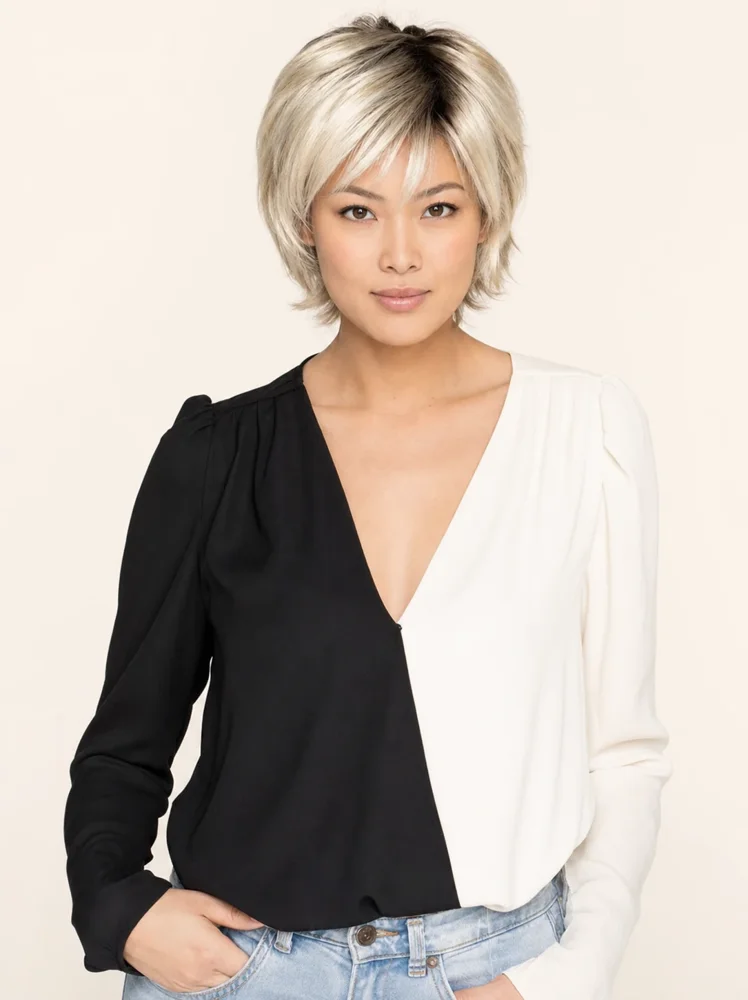
Next, compare the details that shape the look. Length, density, parting, hairline and colour can change whether a style feels close to your usual appearance or deliberately different. A natural-looking finish does not have to mean a very dense or youthful look; a familiar hairline, suitable volume and a tone that works with your complexion may matter more. Use natural-looking wigs to consider hairline appearance, and compare wig color matching as a starting point rather than assuming a screen or concept image is an exact colour match.
Compare fibre and maintenance as well: human hair and synthetic fibres can differ in feel, styling and care. See wig hair types for broad material distinctions. Follow the exact item's care instructions, and use heat only if they permit it. For a separate context, synthetic wigs for cancer patients compares material choices without implying that a style suits every wearer. Synthetic wigs for cancer patients covers a separate context, not a guarantee of suitability.
Full Coverage, Fit and Everyday Care
Fit is personal, and a style that looks appealing in a picture may feel different when worn. If you can try a style, notice whether the cap sits securely and comfortably, whether the hairline and part sit where you expect, and whether the weight and volume feel manageable. Ask what the listed size or adjustment features mean for that specific style. Measurements and cap details are not interchangeable across all makers, so avoid choosing on a size label alone. If you have questions about scalp sensitivity, avoid assuming that a particular material is suitable; wig for sensitive scalp during chemotherapy discusses considerations in its own context, and individual comfort still needs to be assessed.
Consider storage, detangling and washing instructions alongside length and texture: a style should fit the time you want to spend caring for it. Follow the care label for that piece. For a separate preparation context, wig before chemotherapy has relevant considerations; this guide focuses on cosmetic coverage associated with alopecia.

Compare Coverage, Fit and Materials
A useful comparison is concrete: identify what each style covers, what is stated about its construction and material, and what you still need to ask. The table below helps separate those questions so that a striking photo or broad label does not substitute for a product specification.
Check Each Style's Materials and Availability
For alopecia hair wigs, check the exact style for fibre, base, size, colour and care; treat unstated details as unknown. The American Cancer Society’s general wig guidance discusses full wigs, toppers, materials and fit. It supports these general selection comparisons, not a product specification or endorsement of OWNSTRAND.
Compare confirmed features against your coverage and comfort preferences. A listing or image does not establish current local supply; ask OWNSTRAND about a style reference, quotation or supply. An enquiry is not an order confirmation.

Questions to Ask Before Choosing a Wig
Before deciding, make three checks. Coverage: will a full wig or a more limited hairpiece address the area you want to cover? Fit and appearance: what can you assess in a fitting, including comfort, position and the outline you prefer? Specification and care: are fibre, construction, size, colour and care instructions stated for this exact style? Keep medical questions separate from appearance choices: a wig provides cosmetic coverage and does not diagnose or treat alopecia. If you have questions about diagnosis, scalp symptoms or treatment, speak with a qualified healthcare professional. You can also explore chemotherapy wigs for that separate service context, rather than assuming its guidance determines an alopecia choice. When a detail is unclear, ask about that detail and the quotation or current supply for the item you have in mind.




| What to compare | Full wig | Topper or smaller hairpiece | What to verify |
|---|---|---|---|
| Coverage | Designed to cover the head | Designed to cover a more limited area and blend with existing hair | Whether the coverage matches the area and look you want |
| Fit and position | Cap fit and hairline placement affect the overall feel | Base size and placement affect coverage and blending | Exact size, adjustment details and a comfortable fit |
| Appearance | Length, volume, part and hairline shape vary by style | The edge, part and remaining hair affect how it blends | Whether the shape, density and colour suit your preference |
| Material and care | Fibre and care instructions vary by product | Fibre, base and care instructions vary by product | Exact materials, care label and any stated heat limits |
| Availability | A pictured or listed style is not proof of local supply | A pictured or listed style is not proof of local supply | Current supply and quotation for the exact style |
Ask about a style, quotation or availability on WhatsApp
Tell us the style you have in mind. We can discuss the options, quotation and arrangements before you decide.
Ask about a style, quotation or availability on WhatsAppBefore you choose
What should I compare when choosing alopecia wigs?
Compare the area you want to cover, full-wig versus topper coverage, fit preferences, listed materials, appearance and care instructions. Check each style's actual specifications, because construction and materials vary. If fit can be assessed in person, notice comfort and placement rather than relying on a size label or image alone.
Are wigs for hair loss all the same type?
No. Wigs and hairpieces vary in coverage, construction, material, size, style and care. Some are full wigs, while a topper is intended for a more limited area with existing hair. Compare the individual product details and ask about any specification that is not stated; do not infer stock or features from a catalogue image.
Can a wig treat alopecia?
No. A wig is a cosmetic hair covering, not a treatment for alopecia. For questions about diagnosis, symptoms or treatment, speak with a qualified healthcare professional.
How can I ask about a style's price or availability?
Contact OWNSTRAND on WhatsApp at +852 5933 4697 with the style or product reference to ask about a quotation and current supply. The enquiry is for information and does not confirm availability or place an order.
Further reading
- American Cancer Society — Wigs for Hair LossCited in the materials comparison section for general selection considerations: full wigs versus toppers and comparing wig material and fit. This supports those broad selection facts only; it is not a product-specific specification or an endorsement of OWNSTRAND.
Still weighing up your options?
Follow a related guide to make your next decision with clearer information.
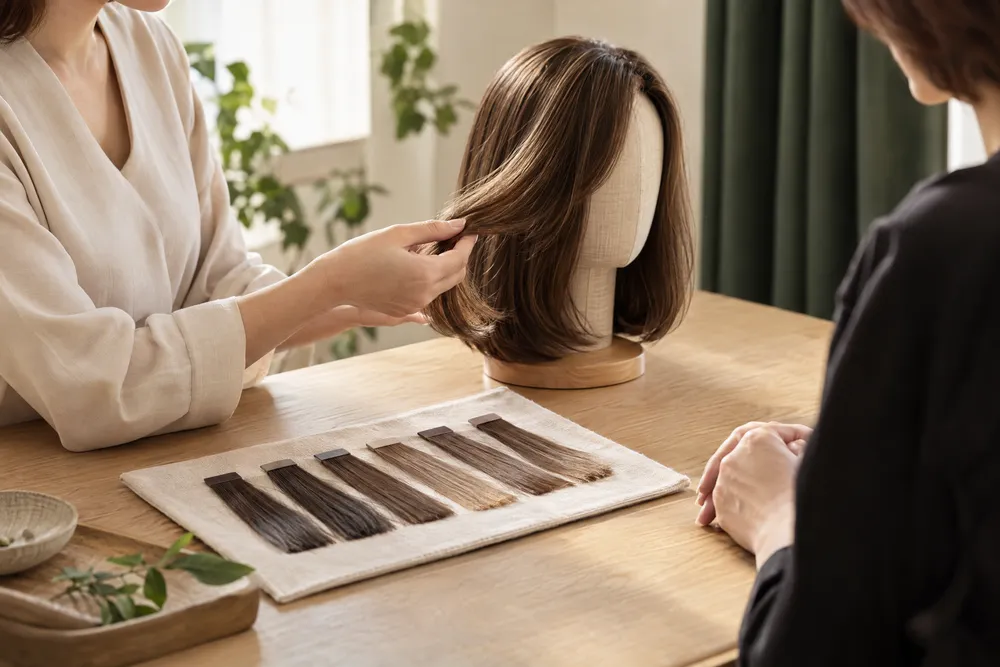
Planning a wig before chemotherapy? Explore how to compare style, colour, fit and care in advance, then ask OWNSTRAND about options and appointment arrangements.
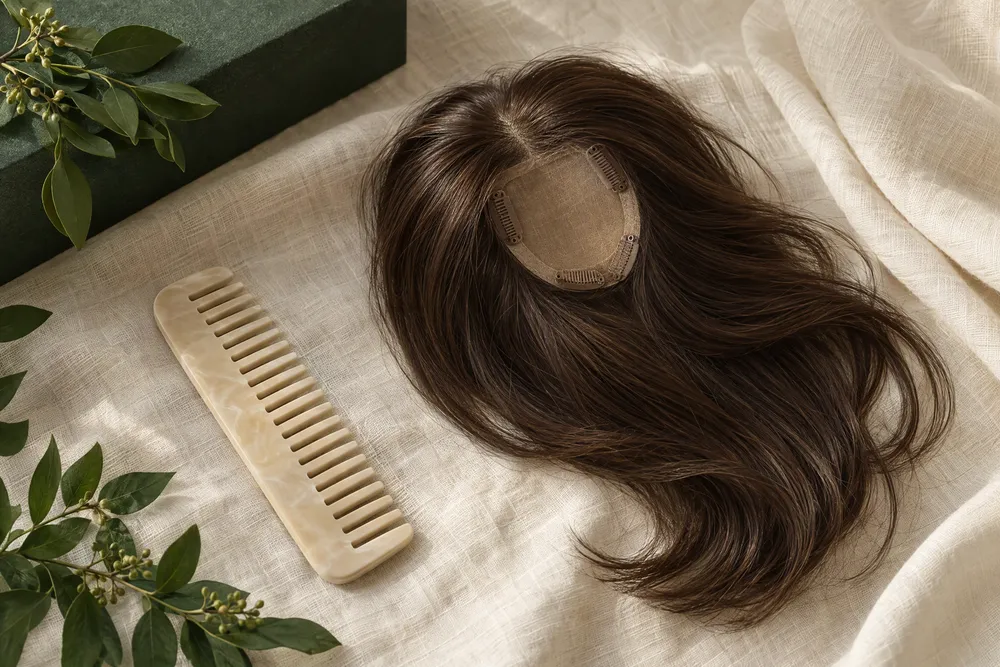
A hair topper for widening part and hair topper for low volume can add visible fullness. Compare coverage, size and blending, then WhatsApp us to ask about options.

Explore wig hair types, including human hair, synthetic and heat-friendly fibres, and compare care and styling considerations. Ask OWNSTRAND about options.
Explore natural-looking wigs and natural hairline wigs through a practical guide to fit, colour, density, hairline and styling. Ask OWNSTRAND what to compare.